Ninth Circuit Rules Building a Web Browser Does Not Violate CFAA
The Ninth Circuit Court of Appeals has ruled that creating a web browser like Perplexity AI's Comet does not violate the Computer Fraud and Abuse Act (CFAA), affirming that users operate the tool, not the developers.
A federal appeals court has ruled that developing a web browser does not violate the Computer Fraud and Abuse Act (CFAA), delivering a significant victory for technology innovation and user rights. The Ninth Circuit Court of Appeals concluded that Perplexity AI’s Comet browser, which includes an optional AI assistant capable of browsing websites like Amazon, does not constitute unauthorized access under the CFAA. The decision reinforces that users—not the developers—are responsible for how tools are operated.
The case originated when Amazon filed a lawsuit against Perplexity AI, arguing that its AI assistant violated the CFAA by accessing Amazon’s servers without authorization. Specifically, Amazon claimed that Perplexity’s tool could browse product pages for comparison shopping, which the retail giant argued constituted unauthorized access. However, the Ninth Circuit rejected this interpretation, stating that users—not Perplexity—operate the browser and its AI features.
In its ruling, the court emphasized that the CFAA requires proof of unauthorized "access," which Perplexity did not perform. Instead, users initiated the browsing activity, making them the responsible parties rather than the company that created the tool. The court also noted that while AI tools may present new legal challenges, this case did not hinge on questions of AI intent or control. The Assistant feature, it ruled, is a tool operated by users, not an independent actor capable of violating the law.
The decision acknowledged that Amazon might pursue other legal claims against Perplexity but made clear that the CFAA was not a viable basis for liability. The court warned that misapplying the CFAA in this context could expose ordinary users to criminal liability, a concern that aligns with longstanding criticisms of the law’s broad and often ambiguous scope.
The Electronic Frontier Foundation (EFF), which filed an amicus brief supporting Perplexity, praised the ruling as a common-sense interpretation of the CFAA. The organization has long argued that the law has been weaponized by powerful companies to suppress competition and innovation. By dismissing Amazon’s CFAA claim, the court reinforced the principle that developers should not be held liable for how users employ their tools.
This decision is particularly significant given the growing use of AI-powered browsing assistants. While the court acknowledged the lack of precedent in this specific area, it firmly placed responsibility on the users rather than the toolmakers. Legal experts suggest this ruling could influence future cases involving AI agents and automated web access, setting a precedent that protects developers from overreach under the CFAA.
For now, the Ninth Circuit’s decision serves as a clear rebuke to attempts to misuse the CFAA against innovative technologies. It also underscores the need for careful legal boundaries to prevent the law from stifling progress in the digital age.
Comments (0)
No comments yet — be the first to weigh in.

Energy biz SSE smacked around in court by a guy and AI
An Oxford doctoral student has defeated British energy provider SSE Energy Supply in court after utilizing artificial intelligence models to build his legal def...
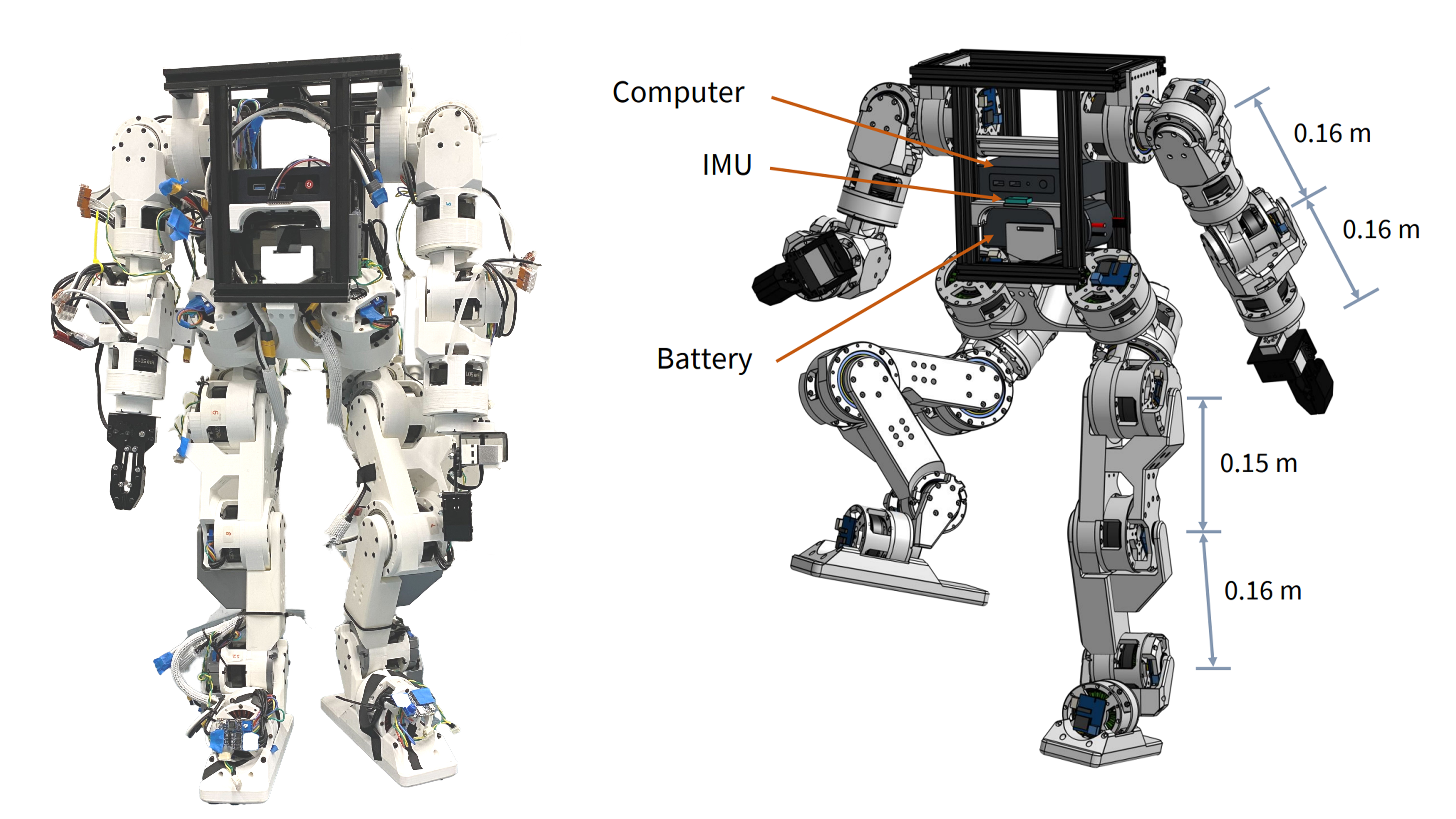
Berkeley Humanoid Lite: Affordable Open-Source Robot with DIY Actuators
Explore the Berkeley Humanoid Lite, a budget-friendly open-source robot featuring 3D-printed actuators under $5,000 USD. Learn how its modular design benefits DIY projects.

Woodstove Safety Monitor: Oru System Alerts Users to Temperature Fluctuations
Discover how the Oru woodstove assistant helps prevent dangerous chimney fires by monitoring exhaust gas temperatures and alerting users to temperature changes.
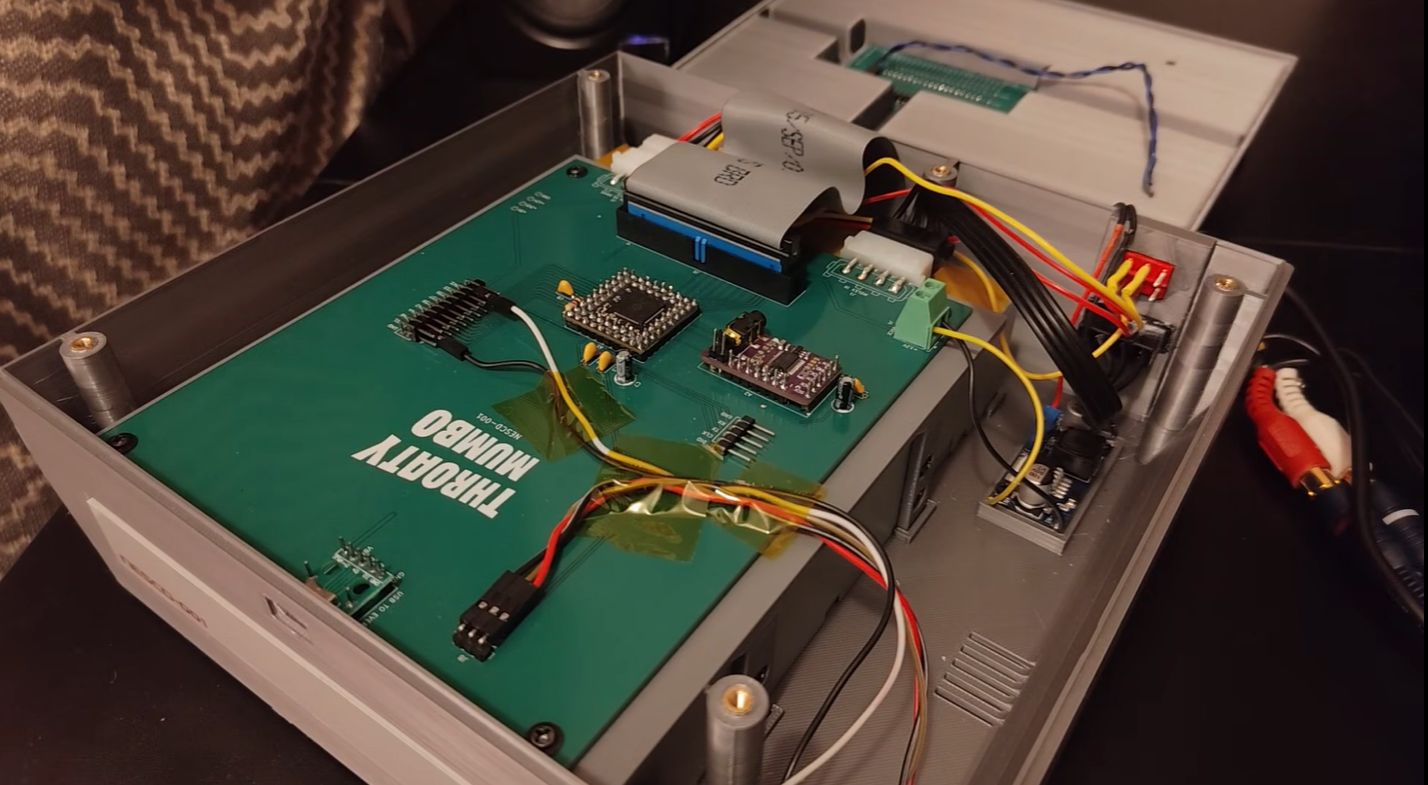
NES CD Add-On Revives 1980s Gaming with Optical Storage
Explore how a DIY project integrates a CD drive with the NES using an RP2350B microcontroller and Everdrive N8 Pro for expanded storage and audio playback.

Mumbai’s Vile Parle Cypher is giving unheard rappers a voice

Enrich and Ultimo impress

Karnataka CM Signals Review of 5% Park Land Amendment Bill in Assembly

