No, Marijuana Legalization Didn't Fill Emergency Rooms With Stoned Drivers
Twenty-four states and the District of Columbia have legalized recreational marijuana, but the movement has faced setbacks as several states consider reversing these laws. In November, Massachusetts voters will decide on repealing their 2016 legalization measure, while Ohio recently narrowed its 2023 cannabis law.
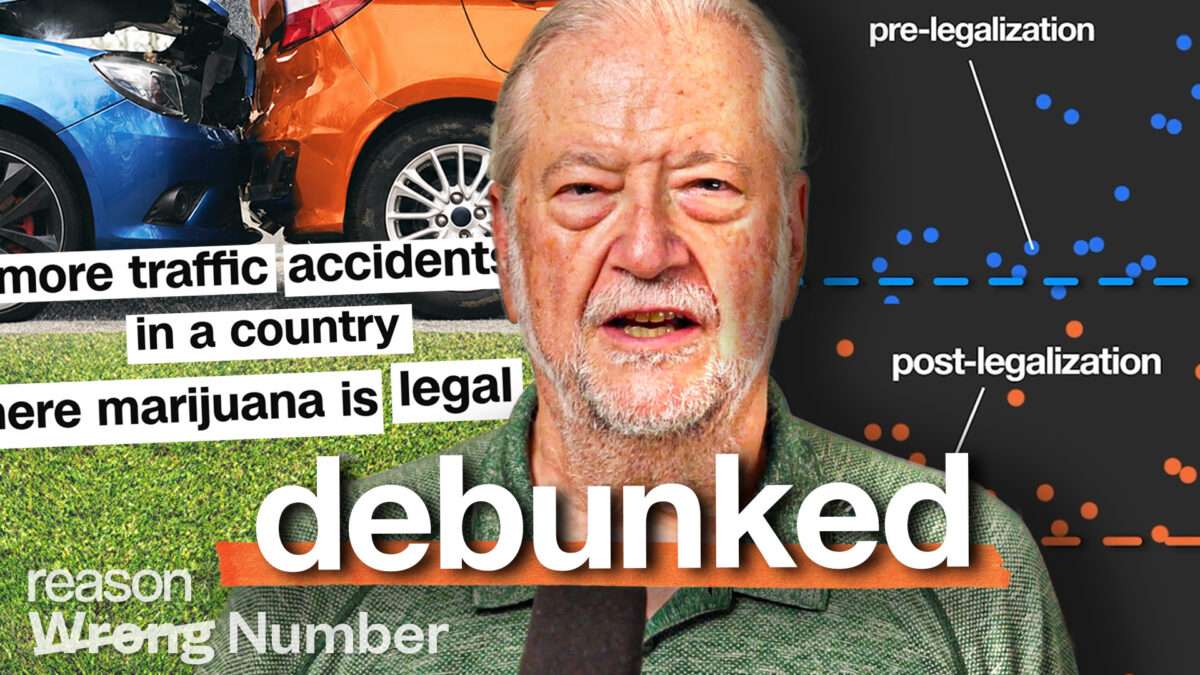
A common concern among opponents is that legalization has led to more traffic accidents due to increased instances of driving while high. However, existing research does not support this claim.
One frequently cited study, published in an October editorial by *The Wall Street Journal*, suggested that over 40% of drivers who died in car accidents in a U.S. county had elevated levels of marijuana in their blood. This study, however, was only available as an abstract and press release, with no full draft or supporting data. Attempts to contact the lead researcher, Akpofure P. Ekeh, were unsuccessful, and an American College of Surgeons representative confirmed the study was not yet complete.
The study’s methodology raises significant questions. THC testing in deceased drivers is typically conducted only when impairment is suspected, meaning the sample is likely biased. Additionally, THC in the blood can indicate marijuana use within the past few days—not necessarily impairment at the time of the crash. The study also lacked a control group and focused on a single Ohio county, where no significant change in THC-positive drivers was observed after legalization.
Another study by the Insurance Institute for Highway Safety claimed a 2.3% increase in fatal crash rates after legalization in five Western states. However, a reanalysis of the data showed that the rate of increase in traffic deaths actually slowed after legalization, contradicting the authors’ conclusions.
A Canadian study examining emergency room records in Ontario reported a 475% rise in marijuana-related traffic accidents requiring treatment between 2010 and 2021. This figure is misleading, as it refers to just 125 out of 120,569 accident-related ER visits—a 0.1% share. Additionally, 42% of these cases involved alcohol, suggesting cannabis alone was not the primary factor. The study’s drastic adjustment for COVID-19 lockdowns, when driving rates declined, further weakens its validity.
Despite these claims, research does not conclusively link marijuana legalization to increased traffic accidents or emergency room visits. Critics argue that anti-legalization efforts rely on flawed data to justify reversing progressive drug policies.
Comments (0)
No comments yet — be the first to weigh in.

Middlesbrough's Crime Crisis: Decades of Failed Policies Unleash Chaos
Former Middlesbrough mayor Andy Preston blames decades of lenient crime policies for the town's recent surge in gang violence and lawlessness.

Google Maps Renames Lake Ontario to 'Lake America' Following Trump Order
Google Maps now displays 'Lake America' in the US, replacing 'Lake Ontario' after Trump's executive order amid trade tensions with Canada. Canadians still see the original name.

Pentagon Warns Pentagon Chiefs: Iran War Unsustainable, Threatens U.S. Readiness
Classified assessment reveals Pentagon chiefs warn Defense Secretary Pete Hegseth that the Iran war is unsustainable and drains U.S. military resources and readiness.

Mike Rogers Proposes $50 Copays for Routine Health Screenings, Critics Warn of Risks
Former Congressman Mike Rogers suggests $50 copays for routine screenings, sparking debate over healthcare costs and access. Critics highlight potential risks.

Mumbai’s Vile Parle Cypher is giving unheard rappers a voice

Enrich and Ultimo impress

Karnataka CM Signals Review of 5% Park Land Amendment Bill in Assembly

