Odysseus Reimagined: PTSD, War Trauma, and Nolan’s Modern Myth
Explore how Christopher Nolan’s film casts Odysseus as a PTSD‑scarred hero, drawing on Jonathan Shay’s veteran studies and ancient Greek views on war trauma.
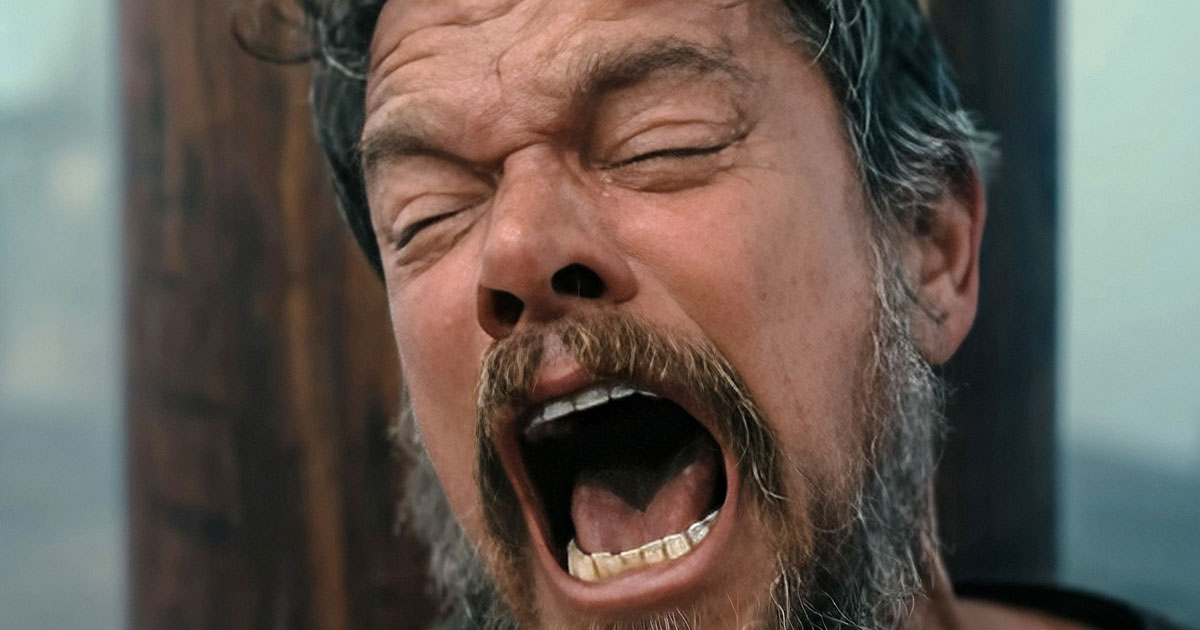
Odysseus Weeps: How Homer’s Hero Echoes Modern Combat Trauma
SEATTLE, Wash. — In Homer’s *Odyssey*, the wandering king of Ithaca, seated in disguise among the Phaeacians, dissolves into tears while a bard recounts the fall of Troy. The scene, rendered in Daniel Mendelsohn’s translation, depicts Odysseus weeping “as a woman would weep while embracing a beloved husband.” When King Alcinous halts the performance, he remarks, “Some terrible anguish must have overwhelmed his heart.” Scholars and audiences have long debated its cause: grief for lost comrades, longing for home, or perhaps the horror of war itself.
A modern interpretation, however, suggests a different possibility. In Christopher Nolan’s upcoming adaptation, Matt Damon’s Odysseus is portrayed as a man haunted by war—explicitly embodying symptoms of Post-Traumatic Stress Disorder (PTSD). Far from the stoic, cunning hero of tradition, Damon’s Odysseus is a broken figure, visibly scarred by his experiences in Troy and the moral weight of his actions.
This portrayal aligns with the clinical observations of psychiatrist Jonathan Shay, whose work with Vietnam veterans led him to identify PTSD-like symptoms in Homer’s Achilles. In his 1994 book *Achilles in Vietnam: Combat Trauma and the Undoing of Character*, Shay argues that Achilles’ rage and self-destructive behavior mirror the moral injuries sustained by soldiers betrayed by leadership or forced into acts they later regret.
Shay’s patients often described a similar unraveling: soldiers who, numbed by war, committed atrocities they later despised, or fixated on revenge long after returning home. Unlike modern military culture, which historically discouraged emotional expression, ancient Greek society permitted and even ritualized grieving. Funeral rites and public lamentation were integral to Homer’s epics, offering a cultural framework for processing trauma.
In 2002, Shay expanded his analysis in *Odysseus in America: Combat Trauma and the Trials of Homecoming*, comparing Odysseus’ journey to the struggles of returning veterans. While Achilles embodies the destructive fury of combat, Odysseus represents the challenges of reintegration—his wanderings functioning as an allegory for the post-war struggles of modern soldiers.
Shay notes that Odysseus, unlike Achilles, shows few signs of moral injury. He exhibits no flashbacks, avoidance, or self-reproach, despite his violent actions. Instead, his struggles stem from external threats—monsters, storms, and divine adversaries. In Nolan’s film, however, Damon’s Odysseus is explicitly traumatized, his memories suppressed and resurfacing in fragmented flashes.
The contrast is evident in the Cyclops episode. In Homer’s version, Odysseus blinds Polyphemus to escape, an act justified by the giant’s violation of guest-host laws. In Nolan’s adaptation, Odysseus fires a final, gratuitous arrow into the wounded Cyclops’ eye—not out of necessity, but as an act of senseless cruelty. The moment recalls Shay’s description of a Vietnam veteran who, upon returning home, punched his sister’s husband “just to see what happened.”
Homer’s *Odyssey* endures, in part, because it confronts the fragility of human resilience after war. While Achilles’ story is one of irreparable ruin, Odysseus’ is a quieter struggle—one of endurance, cunning, and, ultimately, healing. Nolan’s film, by contrast, strips away the mythic veneer, presenting Odysseus not as a hero, but as a man broken by war, his pain as raw and immediate as that of any modern veteran.
As scholars continue to debate the psychological dimensions of Homer’s characters, one truth remains clear: the line between ancient epic and contemporary trauma is thinner than we might imagine.
Comments (0)
No comments yet — be the first to weigh in.

Yayoi Kusama’s Death Signals a Kind Fall for Art and Humanity
Hyperallergic reflects on the passing of Yayoi Kusama, Dolly Parton, and Sliman Mansour, while exploring loneliness, AI, and art's role in a changing world.

Tessa Hulls on Her Graphic Memoir 'Feeding Ghosts' on Longform Podcast #571
Writer and artist Tessa Hulls discusses her graphic memoir Feeding Ghosts and the project she spent her life avoiding, on Longform Podcast #571.

Derek Thompson on Longform Podcast: Solving Life's Mysteries Through Writing
Derek Thompson, Atlantic staff writer and Plain English host, discusses his career as a 'dilettante' and love for uncovering mysteries in his Longform Podcast interview.
Rozina Ali on Longform Podcast #573 Discussing Her Career and Reporting
Rozina Ali, a New York Times Magazine writer and National Magazine Award winner, joins the Longform Podcast to discuss her career and latest reporting.

Mumbai’s Vile Parle Cypher is giving unheard rappers a voice

Enrich and Ultimo impress

Karnataka CM Signals Review of 5% Park Land Amendment Bill in Assembly

