Plug-in solar panels could save households up to $370 a year – if Australia made them legal as in the UK
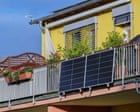
Australian renters and apartment residents could save up to $370 annually on power bills by using plug-in solar panels, according to an energy advocacy group urging the federal government to legalise the technology. Portable solar units, which can be attached to balconies or installed in backyards and plugged directly into power points, are already legal in the United Kingdom and New Zealand, but remain prohibited in Australia despite being commercially available.
Solar Citizens, a national not-for-profit organisation campaigning for solar accessibility, estimates that households in capital cities could reduce energy costs by between $226 and $372 per year by adopting plug-in solar systems. Heidi Lee Douglas, the group’s chief executive, said more than three million Australians who rent or live in apartments are currently excluded from these savings due to regulatory restrictions. “It’s unfair that Australians are missing out on bill-busting benefits that solar homeowners enjoy simply because our regulations haven’t kept pace with technology,” she said.
The call follows the United Kingdom’s decision to legalise plug-in solar systems this week, with sales set to commence on Thursday. Solar Citizens highlighted that Germany, Spain, and New Zealand have also approved the technology. Douglas urged Australian regulators and politicians to follow suit. “If it’s good enough for the Kiwis and the Brits, it’s good enough for us,” she said.
Glen Morris, director of the Smart Energy Lab and a solar and battery engineer, said an 800-watt plug-in solar kit could power essential household appliances such as fridges and televisions during daylight hours. Morris estimated that a $1,000 system pays for itself in approximately three years and can operate for up to 20 years. “For most renters, this is the only form of solar they can own, and they can take it with them when they move,” he said.
Energy Consumers Australia research shows a significant disparity in solar adoption between renters and homeowners. Only 11 percent of renters have solar installed, compared with 44 percent of homeowners. The gap is even wider for apartment residents, with just 6 percent having solar access versus 39 percent of those in detached or semi-detached houses. The consumer organisation identified the “split incentive” problem—where landlords bear installation costs while tenants benefit—as a major barrier. Apartment dwellers also face structural challenges due to regulations governing common property.
Meanwhile, Australia’s solar and battery sector continues to grow rapidly. Energy Consumers Australia reported record quarterly investment in large-scale solar projects, with 1.8 gigawatts reaching final investment decision—the highest since regulators began tracking such activity. Carl Binning, acting chair of the Clean Energy Regulator, said the transition to renewable energy is accelerating, driven by strong demand for household batteries under the federal government’s Cheaper Home Batteries program. “We’ve now received more than 500,000 battery applications since the program started, which shows the scale of household demand when the economics stack up,” he said.
#SolarEnergy #RenewableEnergy #Australia #PlugInSolar #EnergySavings #RentersRights #SolarCitizens #CleanEnergyRegulator
Comments (0)
No comments yet — be the first to weigh in.

Iran-US Tensions Escalate Amid Hormuz Strait Crisis – Live Updates
Iranian President Pezeshkian seeks diplomatic solutions with global leaders at SCO summit in Kyrgyzstan amid rising US tensions over Hormuz Strait.

Search continues for 18 passengers after ferry capsized in northern Cyprus
Search and rescue operations are continuing off the coast of Kyrenia in northern Cyprus after a passenger ferry capsized and sank on Sunday, leaving at least ei...

Swiss Man Arrested After Deadly Rave Shooting Kills Italian Woman
A 43-year-old Swiss suspect has been arrested after a shooting at a techno rave in Aarau left one woman dead and several others injured. Authorities continue their investigation.

England attack's 2005 comparisons fair - Trescothick
England’s new pace attack is drawing comparisons to the legendary Ashes-winning quartet of 2005, according to interim head coach Marcus Trescothick. The current...

Mumbai’s Vile Parle Cypher is giving unheard rappers a voice

Enrich and Ultimo impress

Karnataka CM Signals Review of 5% Park Land Amendment Bill in Assembly

