Poetic Exploration of War's Origin Through Language and Nature
A compelling poetic analysis of how language shapes conflict, drawing parallels between words and wartime divisions. Insightful commentary on Rinaldini's multidisciplinary approach at Guernica.
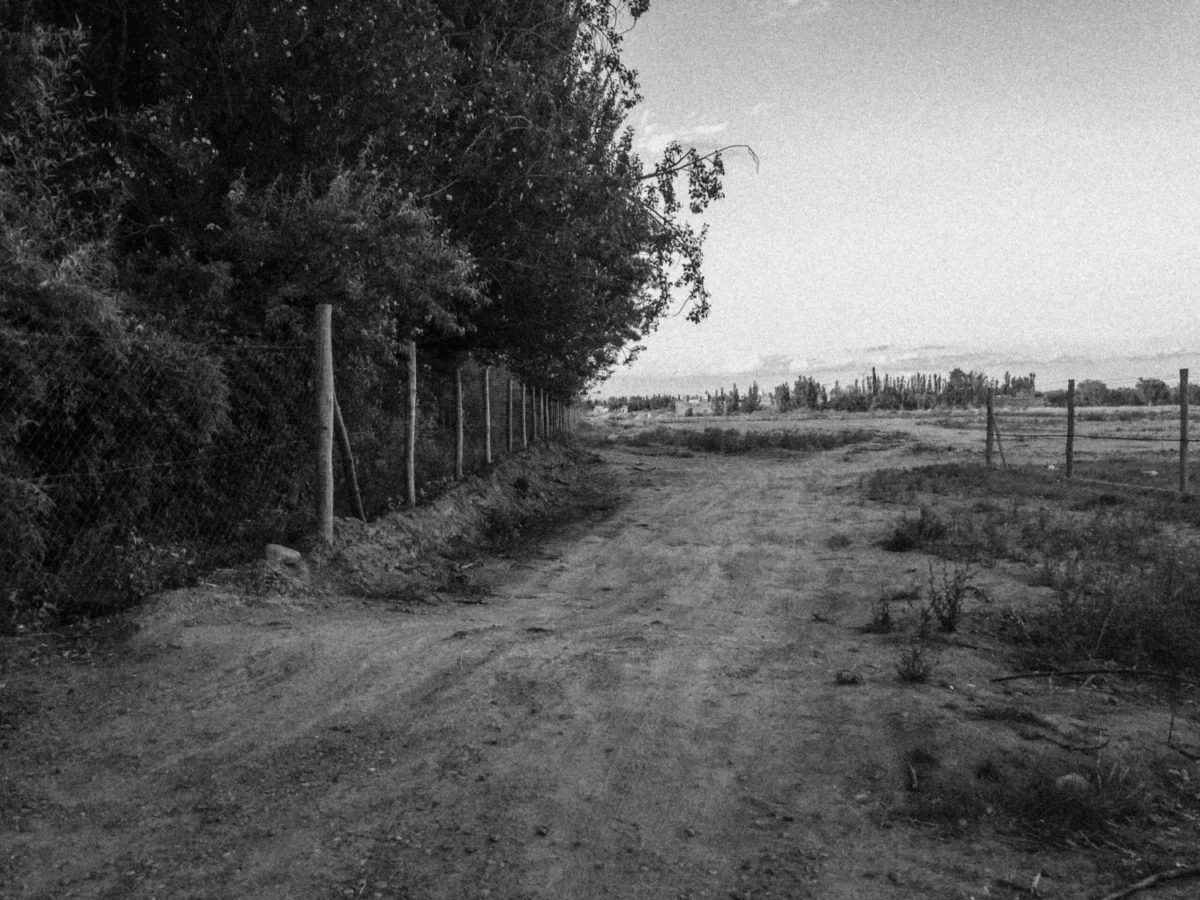
The notion that conflict begins with the power of naming is explored in a recent piece by Guernica Magazine, a literary and arts publication known for its focus on global voices and original perspectives. The piece, which does not cite a specific author, reflects on how the act of defining "us" and "them" can lead to division and, ultimately, violence. The imagery—of roads, fields, and cycles of destruction and renewal—serves as a metaphor for the relentless progression of war and the ways in which language shapes human perception and behavior.
The article’s vivid, poetic language underscores the idea that words are not neutral but carry weight, shaping reality as much as reflecting it. Phrases like "the word mine" and "enemy is not a word with a name or a family" suggest that the act of labeling—whether of land, identity, or opposition—can strip away complexity, reducing the world to simplistic binaries. This theme aligns with broader discussions in linguistics and social psychology about how language influences thought and, in extreme cases, justifies harm.
Emilia Rinaldini, Creative & Operations Director at Guernica and a multidisciplinary artist, brings a unique lens to such explorations. With a background in film and television, including her tenure at The Walt Disney Company, Rinaldini’s work bridges art, design, and media, emphasizing the interplay between structure and spontaneity. Her approach often involves creating visual languages that feel both intentional and intuitive, a methodology that resonates with the article’s themes of meaning-making and perception.
Guernica Magazine itself has long been a platform for probing the intersections of art, politics, and identity. Founded in 2004, the publication is celebrated for its commitment to diverse voices and its willingness to tackle difficult, often underrepresented topics. The unnamed piece in question fits within this tradition, using lyrical prose to challenge readers to reconsider how language constructs our understanding of conflict and otherness.
The article’s closing imagery—of a child playing soldier, or the ground waiting "for your words like rain"—reinforces the idea that language is not merely descriptive but performative. It shapes actions, justifies wars, and can either deepen divisions or, potentially, bridge them. As the world grapples with ongoing conflicts and the rhetoric that fuels them, the piece serves as a poignant reminder of the power—and peril—of words.
#WarLanguage #GuernicaMagazine #EmiliaRinaldini #ArtAndConflict #VisualNarratives #LanguageAndPower #LiteraryJournalism #CulturalCritique
Comments (0)
No comments yet — be the first to weigh in.
Yayoi Kusama’s Death Signals a Kind Fall for Art and Humanity
Hyperallergic reflects on the passing of Yayoi Kusama, Dolly Parton, and Sliman Mansour, while exploring loneliness, AI, and art's role in a changing world.
Tessa Hulls on Her Graphic Memoir 'Feeding Ghosts' on Longform Podcast #571
Writer and artist Tessa Hulls discusses her graphic memoir Feeding Ghosts and the project she spent her life avoiding, on Longform Podcast #571.
Derek Thompson on Longform Podcast: Solving Life's Mysteries Through Writing
Derek Thompson, Atlantic staff writer and Plain English host, discusses his career as a 'dilettante' and love for uncovering mysteries in his Longform Podcast interview.
Rozina Ali on Longform Podcast #573 Discussing Her Career and Reporting
Rozina Ali, a New York Times Magazine writer and National Magazine Award winner, joins the Longform Podcast to discuss her career and latest reporting.

Mumbai’s Vile Parle Cypher is giving unheard rappers a voice

Enrich and Ultimo impress

Karnataka CM Signals Review of 5% Park Land Amendment Bill in Assembly

