Same As It Ever Was

The long-running online publication Hackaday has weighed in on the growing role of large language models in hardware and software development, reaffirming its commitment to human-driven innovation while acknowledging the increasing presence of AI-assisted projects in its community.
Hackaday, which has covered maker culture and engineering projects for more than two decades, says it remains focused on the creative spark behind a build rather than the tools used to create it. The site’s editorial stance is clear: whether a project’s code was written by a human, an LLM, or a combination of both, what matters most is whether the result is technically sound, original, and inspiring to other builders.
The discussion comes as AI tools like large language models are being used to generate documentation, suggest code snippets, and even draft entire project write-ups. Hackaday acknowledges that many recent submissions show the influence of these tools, from plausible-looking but nonsensical circuits to claims that violate basic physical laws. The site compares today’s AI-generated projects to the perpetual motion machines of past eras—clearly flawed but persistent attempts to bypass fundamental engineering constraints.
Hackaday has been publishing reader projects since 2002, predating both YouTube and Stack Overflow, and has seen countless trends come and go. Yet its core mission remains unchanged: to highlight ingenuity and craftsmanship, whatever tools were used. The publication does not plan to quantify “human vs. AI” contributions in project write-ups, nor does it intend to treat AI-assisted projects differently as long as they demonstrate real creativity and technical merit.
In a broader sense, Hackaday’s stance reflects a broader debate within the maker and open-source hardware communities about authenticity, attribution, and the evolving role of automation in engineering. While some builders embrace AI as a productivity aid, others worry it may dilute original thinking or flood the ecosystem with low-effort, high-noise content.
Ultimately, Hackaday’s message is one of pragmatism: it will continue to feature projects that inspire its audience, regardless of the tools used to create them. The goal is to elevate signal over noise, helping readers separate genuine innovation from computer-generated fluff.
#Hackaday #AIcoding #MakerCulture #OpenSource #LLMs #HardwareHacks #TechJournalism
#Hackaday #AIassistedprojects #LLMtools #MakerCommunity #EngineeringInnovation #TechWriting
Comments (0)
No comments yet — be the first to weigh in.

Energy biz SSE smacked around in court by a guy and AI
An Oxford doctoral student has defeated British energy provider SSE Energy Supply in court after utilizing artificial intelligence models to build his legal def...
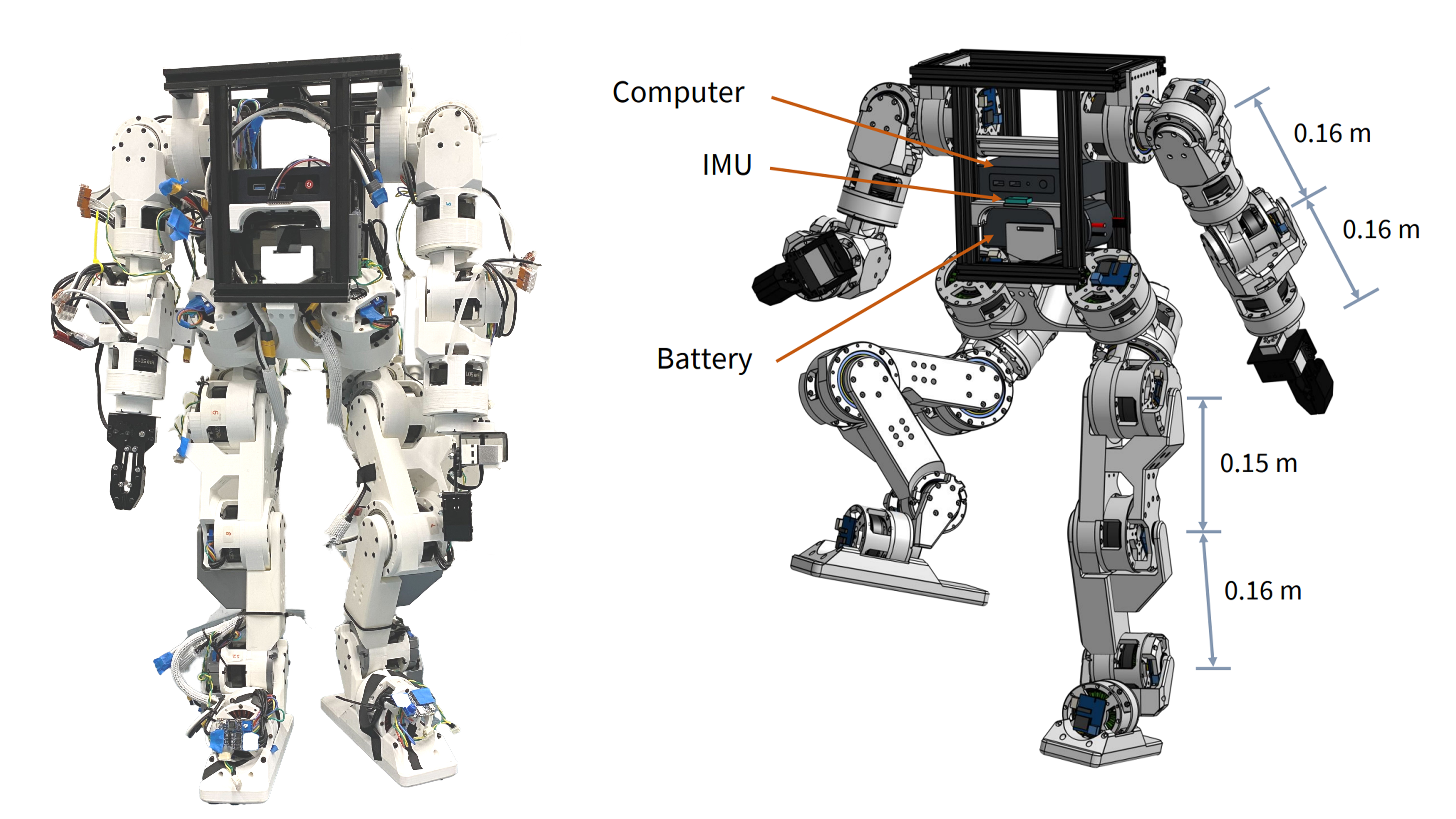
Berkeley Humanoid Lite: Affordable Open-Source Robot with DIY Actuators
Explore the Berkeley Humanoid Lite, a budget-friendly open-source robot featuring 3D-printed actuators under $5,000 USD. Learn how its modular design benefits DIY projects.

Woodstove Safety Monitor: Oru System Alerts Users to Temperature Fluctuations
Discover how the Oru woodstove assistant helps prevent dangerous chimney fires by monitoring exhaust gas temperatures and alerting users to temperature changes.
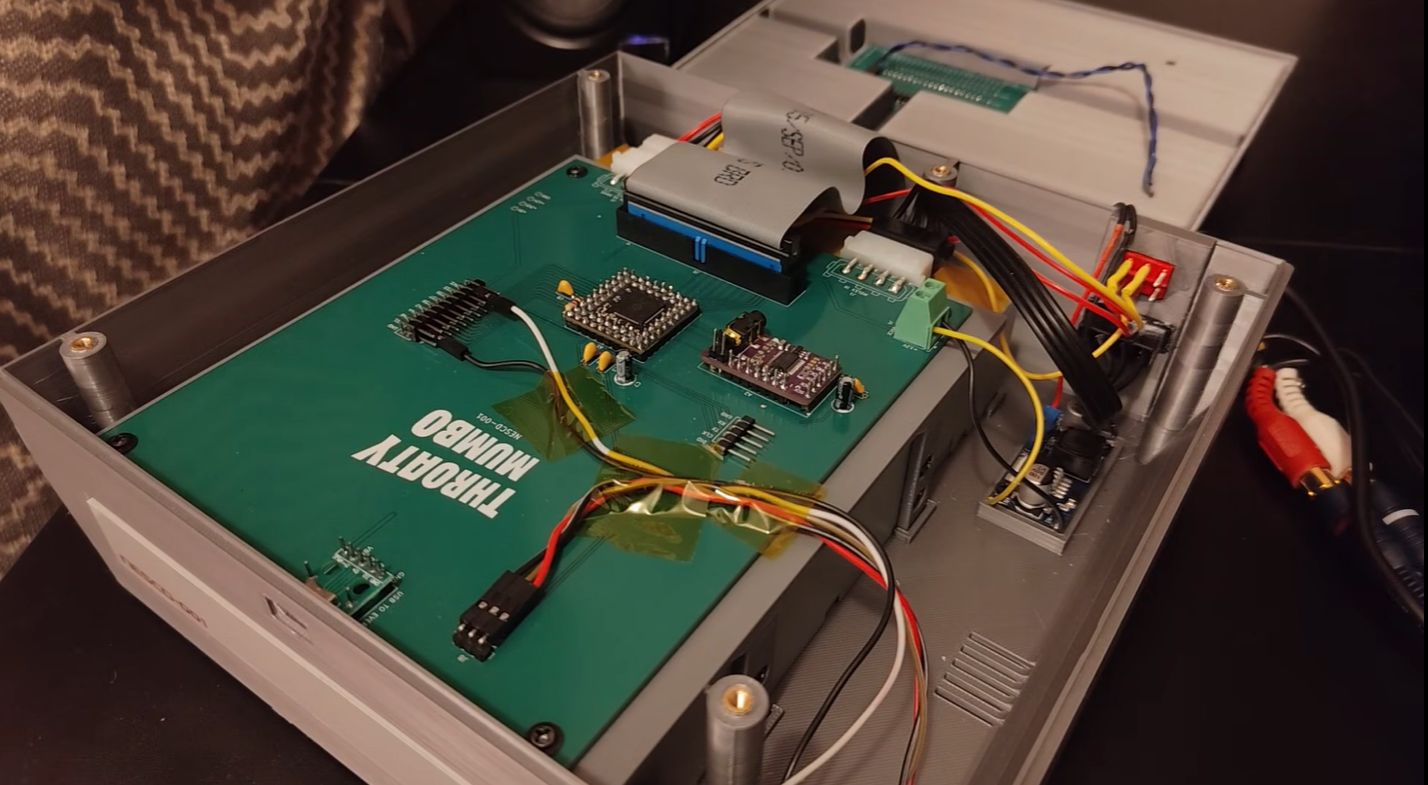
NES CD Add-On Revives 1980s Gaming with Optical Storage
Explore how a DIY project integrates a CD drive with the NES using an RP2350B microcontroller and Everdrive N8 Pro for expanded storage and audio playback.

Mumbai’s Vile Parle Cypher is giving unheard rappers a voice

Enrich and Ultimo impress

Karnataka CM Signals Review of 5% Park Land Amendment Bill in Assembly

