San Francisco LGBTQ+ Bars Ban PatronScan ID‑Scanning Amid Privacy Worries
San Francisco LGBTQ+ venues have stopped using the PatronScan ID‑scanning system after patrons raised privacy concerns, prompting a shift back to manual ID checks.

LGBTQ+ bars in San Francisco’s Castro neighborhood have been using PatronScan, an ID-checking and face-scanning system that has raised serious privacy concerns. The Electronic Frontier Foundation (EFF) reports that two bars have already stopped using the system following customer concerns, with a third bar also discontinuing its use.
PatronScan has come under scrutiny for its practice of photographing patrons upon entry and potentially using those images for facial recognition. More broadly, the system allows bars and clubs to create databases of patrons, sharing information across venues. A 2019 report revealed that PatronScan's network enabled participating bars to flag patrons and share their information with other establishments.
California’s ID privacy law, amended in 2018, prohibits businesses from retaining or using information obtained from scanned IDs except for specific purposes like age verification or fraud prevention. It is unclear whether PatronScan’s business model complies with this law.
The California Legislature has previously investigated PatronScan’s practices. In 2018, a bill analysis for AB 2769 found that PatronScan had collected and retained information on 561,087 customers in Sacramento during the first five months of 2018. The company retained information for at least 90 days, shared data among bars, and maintained bans lasting an average of over 19 years.
PatronScan has stated that it retains personal information for 21 days for all customers and up to five years for flagged customers, including details like name, date of birth, photograph, gender, zip code, and entry times. Such databases pose significant privacy risks, including potential theft or misuse of data.
The 2018 amendment to California’s ID privacy law closed a loophole by extending restrictions on retaining ID information to include scanned IDs. PatronScan opposed this change but the law passed regardless. Despite this, PatronScan continues to market a system that appears to retain scanned ID information and allows venues to share patron data.
Bar and nightlife venue owners should consider the implications of using PatronScan, especially given its potential conflict with California’s ID privacy law. Standard, visual ID checks remain an effective alternative for preventing underage patrons from entering 21-and-over venues without the privacy risks associated with databases.
For venues serving vulnerable communities like immigrants or the LGBTQ+ community, the stakes are even higher. The use of PatronScan in such spaces raises concerns about tracking and monitoring patrons. Businesses should prioritize customer privacy and security by rejecting PatronScan and returning to standard ID checks.
#LGBTQBars #Privacy #PatronScan #SanFrancisco #Castro #EFF #IDPrivacy #DataSecurity
Comments (0)
No comments yet — be the first to weigh in.

Energy biz SSE smacked around in court by a guy and AI
An Oxford doctoral student has defeated British energy provider SSE Energy Supply in court after utilizing artificial intelligence models to build his legal def...
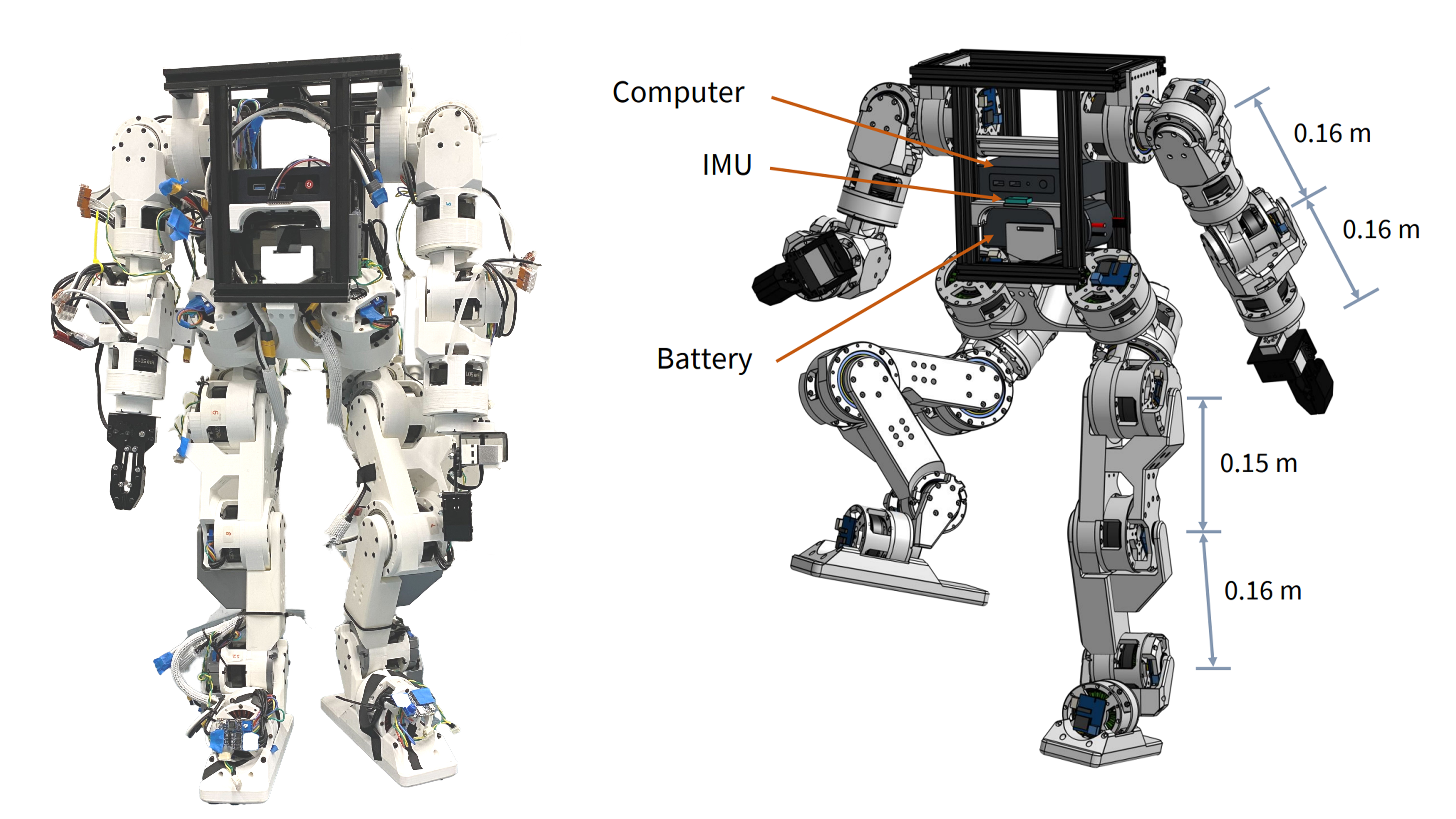
Berkeley Humanoid Lite: Affordable Open-Source Robot with DIY Actuators
Explore the Berkeley Humanoid Lite, a budget-friendly open-source robot featuring 3D-printed actuators under $5,000 USD. Learn how its modular design benefits DIY projects.
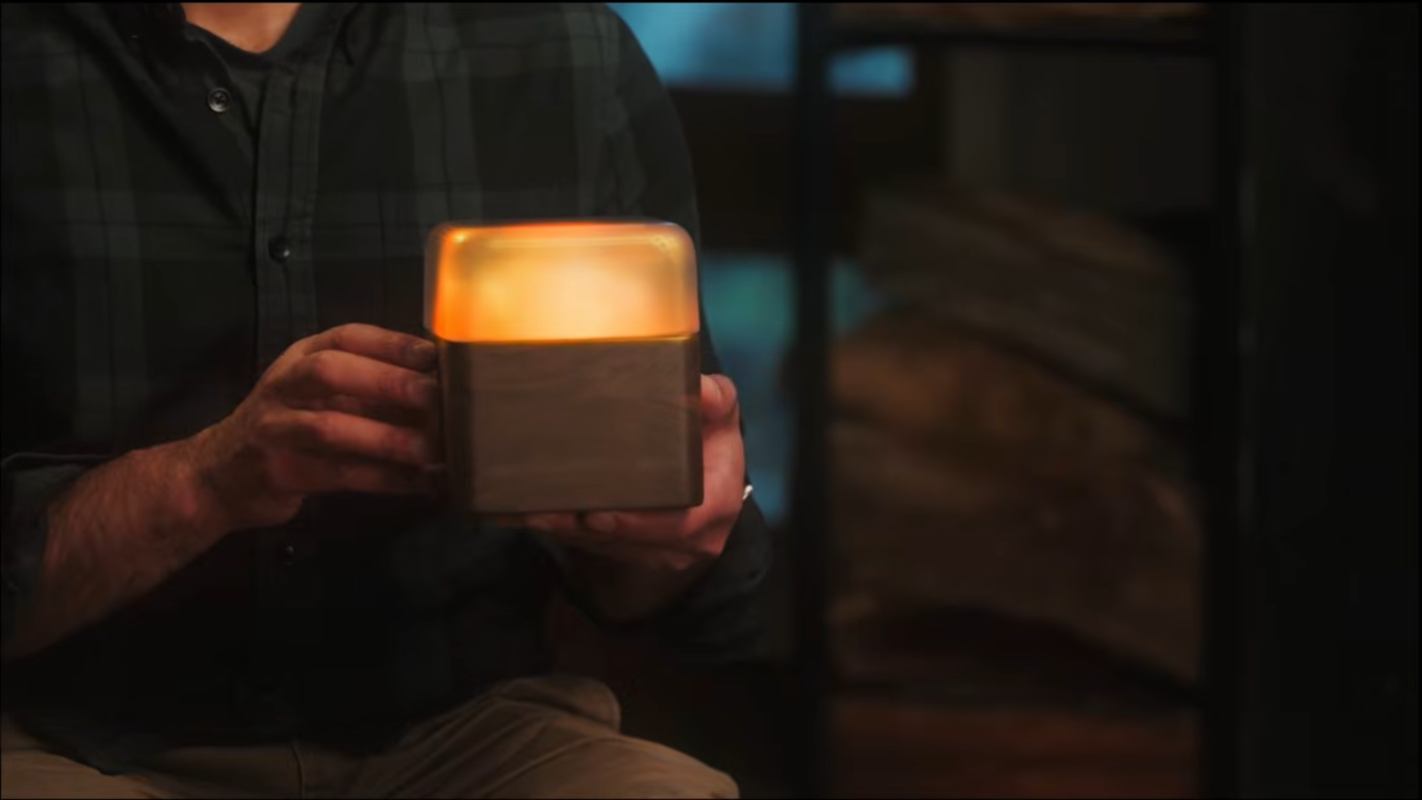
Woodstove Safety Monitor: Oru System Alerts Users to Temperature Fluctuations
Discover how the Oru woodstove assistant helps prevent dangerous chimney fires by monitoring exhaust gas temperatures and alerting users to temperature changes.
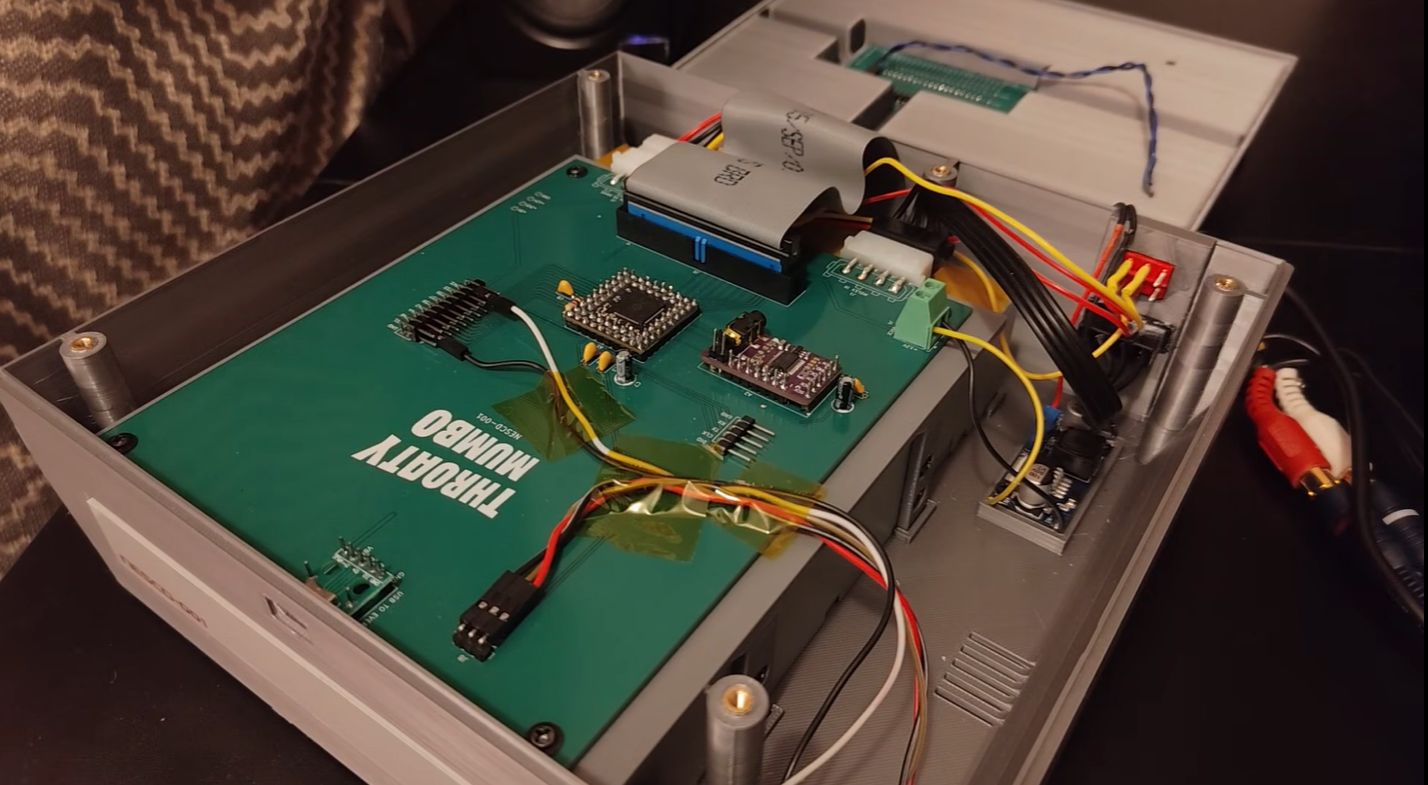
NES CD Add-On Revives 1980s Gaming with Optical Storage
Explore how a DIY project integrates a CD drive with the NES using an RP2350B microcontroller and Everdrive N8 Pro for expanded storage and audio playback.

Mumbai’s Vile Parle Cypher is giving unheard rappers a voice

Enrich and Ultimo impress

Karnataka CM Signals Review of 5% Park Land Amendment Bill in Assembly

