Senate Advances CHATBOT Act: Concerns Over Teen AI Monitoring Grow
The CHATBOT Act, advancing in the Senate, mandates federally prescribed parental monitoring for teen AI use, raising privacy and age-verification concerns despite opposition from digital rights groups.

The Senate Commerce Committee advanced the CHATBOT Act on August 5, 2026, marking a significant step toward federal regulation of artificial intelligence use by minors. The Electronic Frontier Foundation (EFF) continues to oppose the legislation, which would impose a uniform parental monitoring system on AI companies and families. Critics argue the bill overreaches by applying a one-size-fits-all approach to adolescent AI usage, raising concerns about privacy, parental rights, and free access to information.
The CHATBOT Act would require AI providers to implement federally prescribed "family accounts" for teen users, granting parents full access to conversation histories and activity logs. Providers must also send alerts if teens attempt to bypass parental controls. These measures go beyond current safeguards, such as the Children’s Online Privacy Protection Act (COPPA), which restricts data collection only for children under 13. Unlike COPPA, which prohibits minors under 13 from using many online services, the CHATBOT Act extends its reach to high school students, potentially treating a 17-year-old the same as an 8-year-old.
Privacy advocates warn that the mandated data collection creates new risks. Centralized records of teen AI interactions could become prime targets for hackers, identity thieves, or litigants seeking personal information. The EFF argues that these records will attract malicious actors, exposing families to unnecessary security threats. Additionally, the bill’s parental-consent process may pressure AI companies to implement invasive age-verification methods, such as facial scans or government ID checks, compromising user privacy.
The bill’s supporters claim parents can opt out of family accounts, but the reality is more complicated. Before teens can use covered AI systems, providers must verify parental consent, effectively forcing families into a surveillance framework. This approach contradicts existing norms where older teens use online tools—like search engines, digital libraries, or news websites—without parental oversight.
The CHATBOT Act also risks pushing AI companies toward stricter age-verification measures. Because the bill holds providers liable for failing to detect minors, many may err on the side of caution by requiring identification or invasive age-estimation tools. Neither option aligns with privacy best practices, as both collect unnecessary personal data or rely on flawed technology.
Families and educators remain divided on how AI should fit into education and daily life. Rather than imposing a rigid federal model, critics argue Congress should allow parents and providers to tailor supervision to individual needs. The EFF urges lawmakers to reject the CHATBOT Act, warning it will harm teen privacy without delivering meaningful safety benefits.
#AIregulation #ParentalConsent #COPPA #EFF #TeenPrivacy #SenateCommerce #ArtificialIntelligence
Comments (0)
No comments yet — be the first to weigh in.

Energy biz SSE smacked around in court by a guy and AI
An Oxford doctoral student has defeated British energy provider SSE Energy Supply in court after utilizing artificial intelligence models to build his legal def...
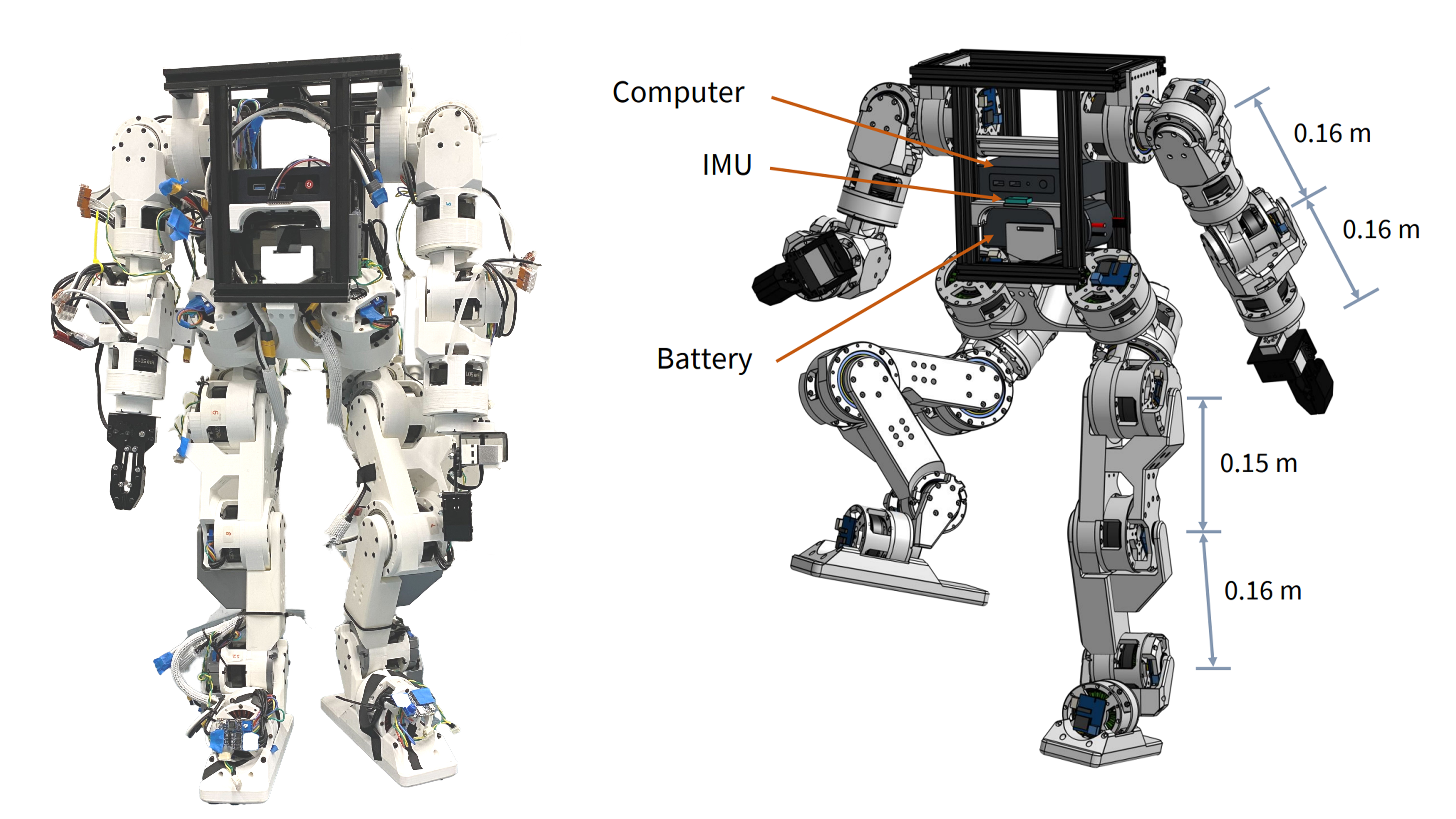
Berkeley Humanoid Lite: Affordable Open-Source Robot with DIY Actuators
Explore the Berkeley Humanoid Lite, a budget-friendly open-source robot featuring 3D-printed actuators under $5,000 USD. Learn how its modular design benefits DIY projects.

Woodstove Safety Monitor: Oru System Alerts Users to Temperature Fluctuations
Discover how the Oru woodstove assistant helps prevent dangerous chimney fires by monitoring exhaust gas temperatures and alerting users to temperature changes.
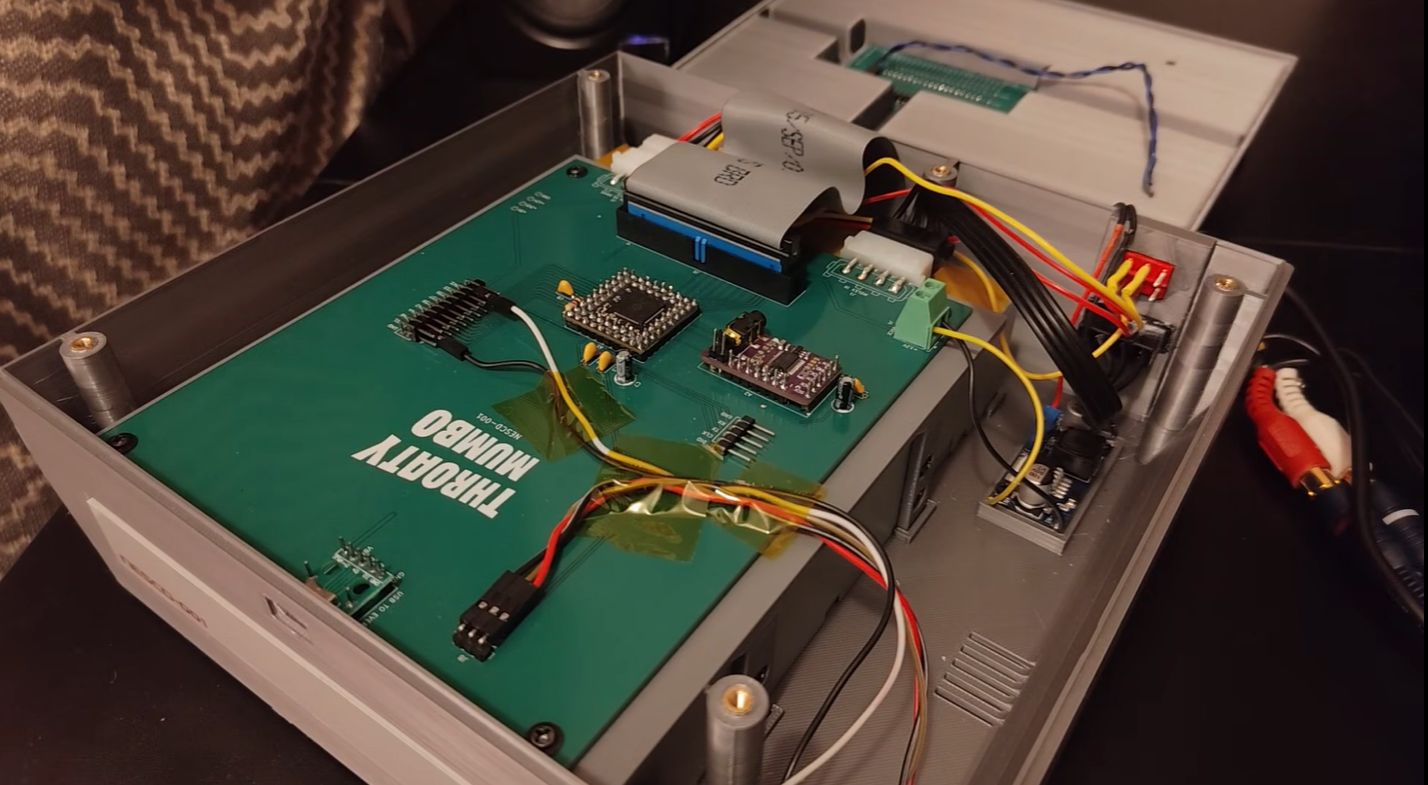
NES CD Add-On Revives 1980s Gaming with Optical Storage
Explore how a DIY project integrates a CD drive with the NES using an RP2350B microcontroller and Everdrive N8 Pro for expanded storage and audio playback.

Mumbai’s Vile Parle Cypher is giving unheard rappers a voice

Enrich and Ultimo impress

Karnataka CM Signals Review of 5% Park Land Amendment Bill in Assembly

