Senate Advances Youth AI Privacy Act Despite EFF Opposition Over Data Risks
The Senate Commerce Committee advances the Youth AI Privacy Act, requiring AI companies to implement kids-only privacy rules, sparking data security and free speech concerns.

The Senate Commerce Committee advanced the Youth AI Privacy Act on August 5, 2026, marking another step in a broader legislative push to regulate artificial intelligence systems targeting young users. The bill, now awaiting full Senate approval, seeks to establish stricter privacy protections for minors interacting with AI tools, including mandatory “safe design features” and enhanced safeguards on children’s data. However, digital rights advocates, including the Electronic Frontier Foundation (EFF), continue to oppose the proposal, citing significant privacy risks, potential constitutional conflicts, and unintended consequences for all internet users.
While the Youth AI Privacy Act narrows its focus compared to broader AI regulation bills, it introduces a troubling paradox: by creating separate privacy rules for minors, it may compel online services to implement age verification systems. Such systems would require companies to collect more personal data—including age and potentially other identifying information—effectively exposing all users to greater surveillance risks. The EFF argues that a more equitable solution would be to extend robust privacy protections to everyone, rather than singling out young people for differential treatment that necessitates intrusive data collection.
One of the bill’s most contentious provisions allows AI companies to collect personal data from known minors for purposes of detecting and addressing “harm to users.” The language, however, lacks clarity, leaving open questions about what constitutes “harm” and raising concerns about overreach. Given that minors are already disproportionately targeted in data breaches and identity fraud, privacy advocates warn that the bill could inadvertently increase risks for the very users it aims to protect.
The legislation does include some positive elements, such as restrictions on processing personal information in chat logs—prohibiting AI companies from using minors’ conversations for training models, profiling, or sharing with third parties. Yet these protections are limited to children, leaving adult users without similar safeguards. Privacy experts argue that comprehensive privacy standards should apply universally, ensuring consistent protections across all age groups.
Another key concern is the bill’s mandate for “safe design features,” which critics say amounts to government overreach into how online platforms are structured. Such requirements—similar to laws in California, Texas, and Arkansas—could block features like push notifications for teenagers, while also raising serious constitutional questions. Federal courts have repeatedly struck down similar state-level rules, citing violations of the First Amendment. Legal precedent holds that minors retain significant free speech rights, and a blanket regulatory approach by Congress could infringe upon those rights as well as the editorial discretion of online services.
The EFF emphasizes that while parental control is appropriate and necessary, a one-size-fits-all federal standard is not. Instead of imposing restrictive design codes that limit access to lawful content, policymakers should focus on strengthening baseline privacy rights for all users, regardless of age.
#YouthAIPrivacyAct #AIregulation #SenateCommerceCommittee #EFF #DigitalPrivacy #FirstAmendment #AgeVerification #DataProtection
Comments (0)
No comments yet — be the first to weigh in.

Energy biz SSE smacked around in court by a guy and AI
An Oxford doctoral student has defeated British energy provider SSE Energy Supply in court after utilizing artificial intelligence models to build his legal def...

Berkeley Humanoid Lite: Affordable Open-Source Robot with DIY Actuators
Explore the Berkeley Humanoid Lite, a budget-friendly open-source robot featuring 3D-printed actuators under $5,000 USD. Learn how its modular design benefits DIY projects.

Woodstove Safety Monitor: Oru System Alerts Users to Temperature Fluctuations
Discover how the Oru woodstove assistant helps prevent dangerous chimney fires by monitoring exhaust gas temperatures and alerting users to temperature changes.
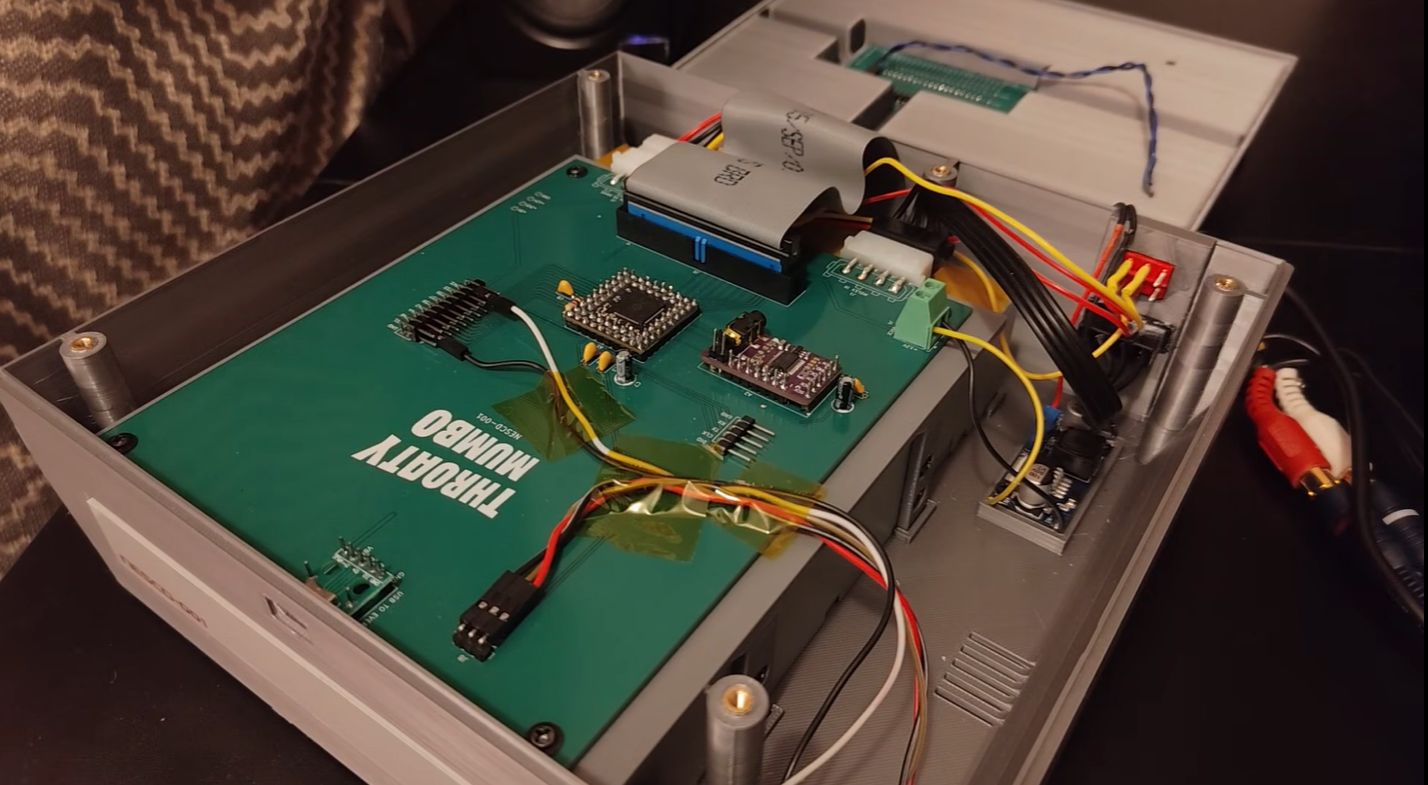
NES CD Add-On Revives 1980s Gaming with Optical Storage
Explore how a DIY project integrates a CD drive with the NES using an RP2350B microcontroller and Everdrive N8 Pro for expanded storage and audio playback.

Mumbai’s Vile Parle Cypher is giving unheard rappers a voice

Enrich and Ultimo impress

Karnataka CM Signals Review of 5% Park Land Amendment Bill in Assembly

