Startup bags $7M to build drone-interceptor-in-a-backpack systems
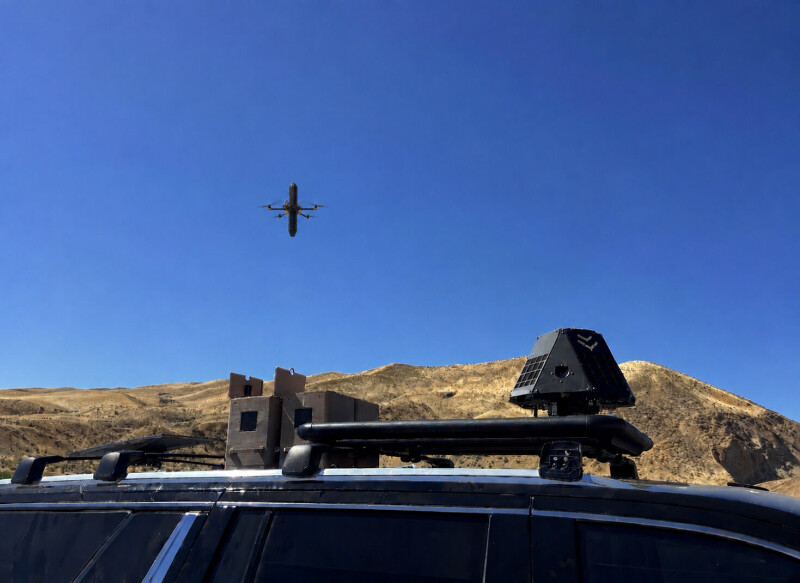
A San Francisco-based defense startup has raised $7 million to develop and deploy its Spike counter-drone system, designed to neutralize swarms of small, explosive-laden FPV (First-Person View) drones increasingly used in modern combat zones such as Ukraine.
Mara, the company behind the system, secured the funding to bring its modular Spike solution to market. The system uses a network of small, tube-launched kinetic interceptors called Seekers, which weigh about 250 grams and travel at speeds up to 200 km/h (124 mph). Each Seeker is equipped with onboard intelligence to autonomously track and intercept targets. The system is complemented by Spotter units, which integrate electro-optical, acoustic, and optional low-signature radar sensors for detection and tracking in all weather conditions and at any time of day.
Mara emphasizes that its Spike system offers scalable protection, ranging from a single portable rucksack kit to protect a small squad, to a vehicle-mounted launcher capable of firing multiple interceptors, or even a perimeter defense setup covering several kilometers around a base. A single launcher can hold up to 48 Seekers and can be reloaded in under a minute, according to the company.
Daniel Kofman, co-founder and CEO of Mara, highlighted the growing threat posed by small drones on the battlefield. “Small drones changed the battlefield because they distributed the cost and capability of precise attack,” he said in a statement. “Many defensive countermeasures are concentrated into one costly point solution. Spike creates a distributed mesh of small, cheap nodes that can each aim and shoot in multiple directions at once.”
Mara reports that components of the Spike system have already undergone testing by potential customers. The Seeker interceptor successfully completed intercepts guided by U.S. Army systems during a military exercise in Texas. The Spotter sensor unit has also been deployed on an armored vehicle during an exercise in Europe, and was recently operated by Ukrainian forces near the front lines in their country, where it tracked multiple FPV drones.
The company says it has research and testing agreements with three U.S. defense organizations and is in early discussions with military partners in the United Kingdom, Czech Republic, and Ukraine. The $7 million funding round was led by Khosla Ventures.
Mara has not yet provided additional details such as the operational range of the Seeker interceptors or their cost per unit.
#CounterDroneTech #MilitaryTech #DroneDefense #MaraDefense #KhoslaVentures #FPVDrones #UkraineWar
Comments (0)
No comments yet — be the first to weigh in.

Energy biz SSE smacked around in court by a guy and AI
An Oxford doctoral student has defeated British energy provider SSE Energy Supply in court after utilizing artificial intelligence models to build his legal def...
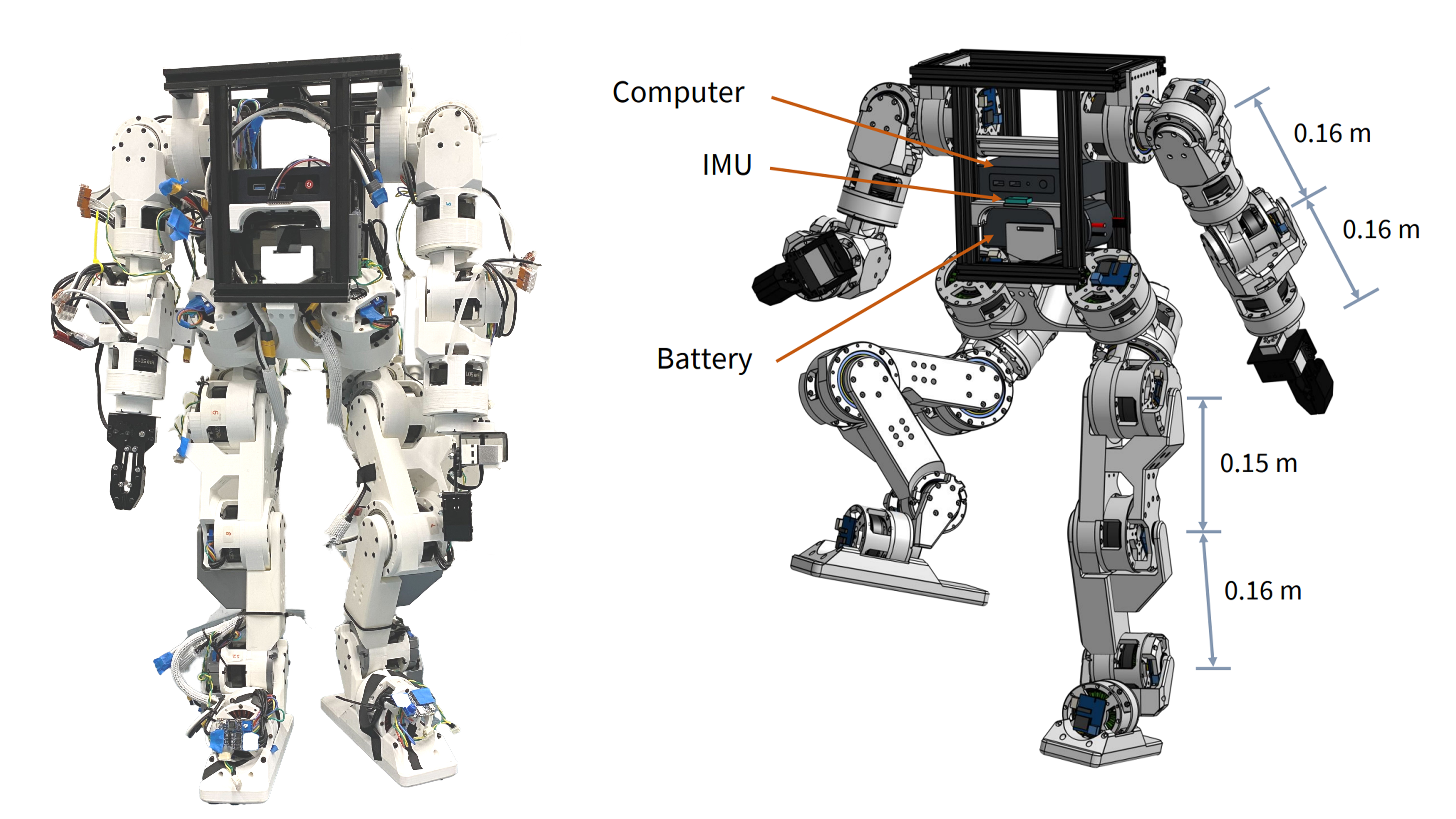
Berkeley Humanoid Lite: Affordable Open-Source Robot with DIY Actuators
Explore the Berkeley Humanoid Lite, a budget-friendly open-source robot featuring 3D-printed actuators under $5,000 USD. Learn how its modular design benefits DIY projects.

Woodstove Safety Monitor: Oru System Alerts Users to Temperature Fluctuations
Discover how the Oru woodstove assistant helps prevent dangerous chimney fires by monitoring exhaust gas temperatures and alerting users to temperature changes.
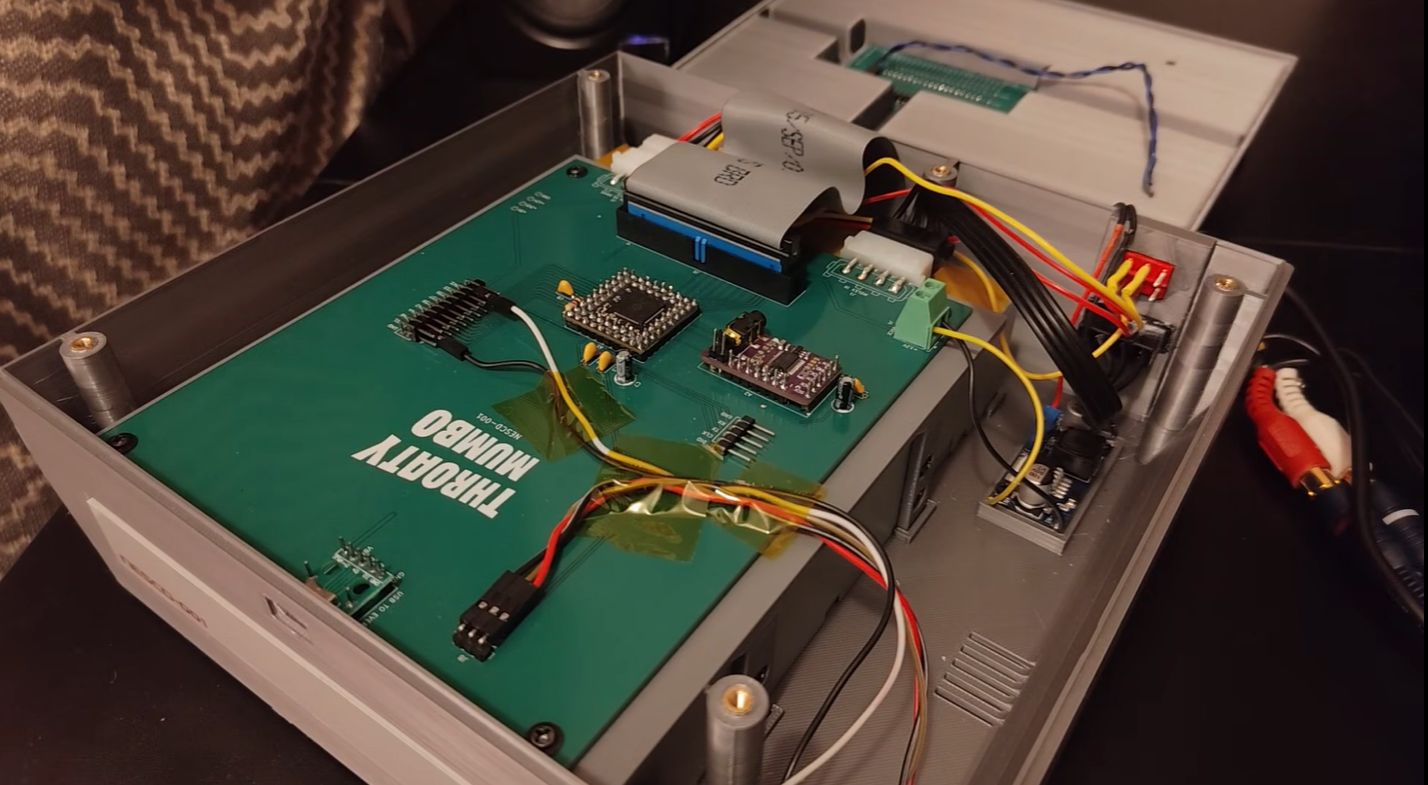
NES CD Add-On Revives 1980s Gaming with Optical Storage
Explore how a DIY project integrates a CD drive with the NES using an RP2350B microcontroller and Everdrive N8 Pro for expanded storage and audio playback.

Mumbai’s Vile Parle Cypher is giving unheard rappers a voice

Enrich and Ultimo impress

Karnataka CM Signals Review of 5% Park Land Amendment Bill in Assembly

