Supreme Court Allows Trump’s Mail-In Voting Restrictions to Proceed: What It Means for Midterms
The Supreme Court’s 6-3 decision lifts an injunction on Trump’s executive order restricting mail-in voting, raising concerns over potential voter disenfranchisement ahead of the midterm elections.
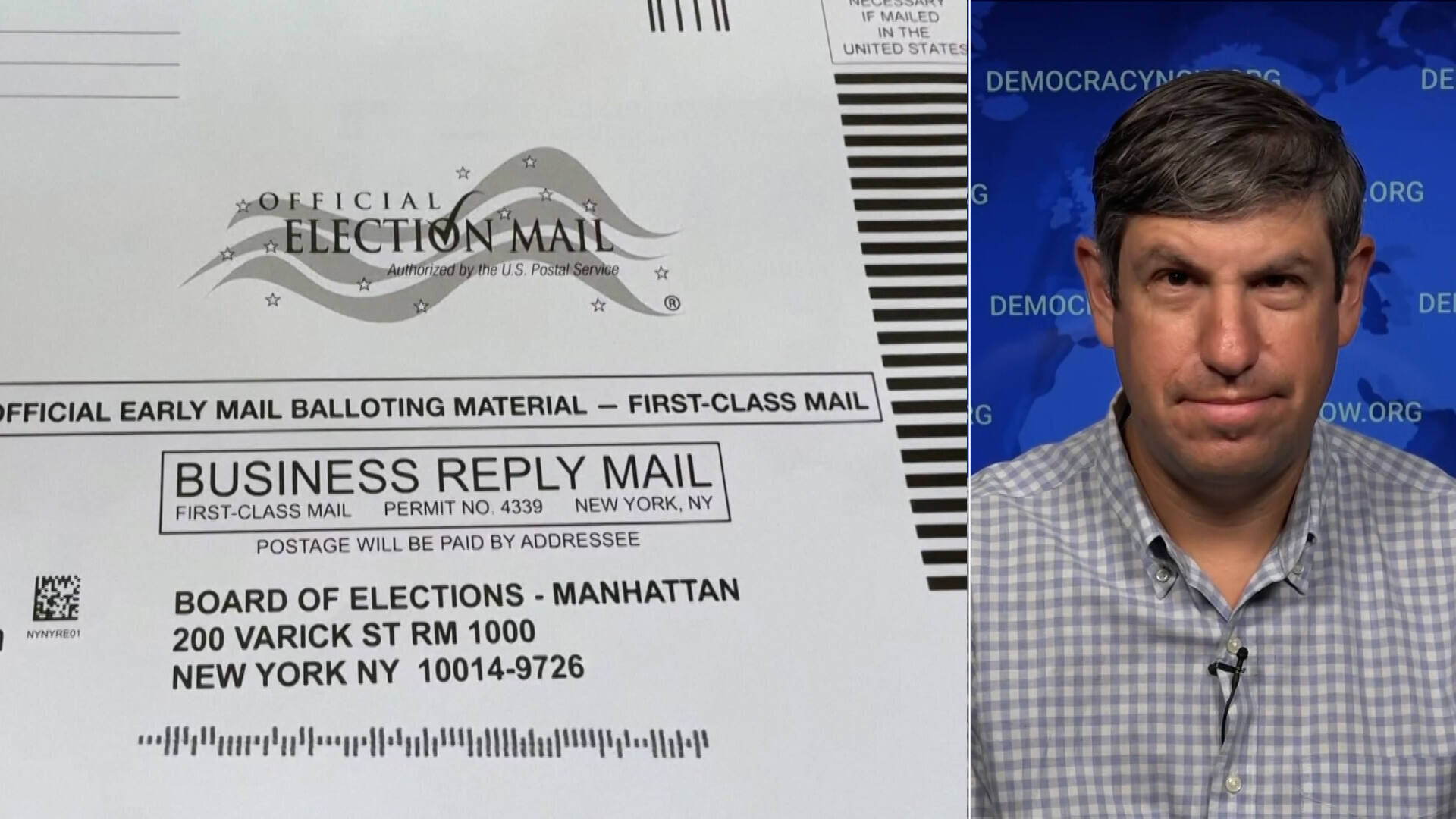
The Supreme Court on Monday allowed President Donald Trump’s executive order targeting mail-in voting to take effect, raising concerns about potential disenfranchisement ahead of the November midterm elections. The 6–3 decision vacated a lower court’s injunction against the order, which directs the Department of Homeland Security (DHS) to compile state-by-state lists of eligible voters deemed to be citizens. The U.S. Postal Service (USPS) would then use those lists to determine mail-in ballot eligibility. Justices ruled that California and 22 other states lacked standing to challenge the order, though the decision did not address its legal authority. A separate nationwide injunction remains in place against parts of the same order.
The Supreme Court’s ruling has introduced significant uncertainty into an already contentious election cycle. Justice Ketanji Brown Jackson, one of the dissenting liberal justices, warned that the majority opinion “needlessly injects chaos and uncertainty into the upcoming midterm elections.” Voting rights advocates, including Ari Berman, national voting rights correspondent for *Mother Jones*, argue that the order could disenfranchise millions of voters if implemented. “If voting proceeds based on these DHS lists,” Berman warned, “it’s going to be inaccurate, it’s going to be unconstitutional, and a lot of legitimate American voters are going to be wrongly labeled as noncitizens and unable to vote.”
The order’s enforcement mechanism has also drawn scrutiny. It would require states to hand over sensitive voter data to the federal government—information that the Department of Justice has repeatedly failed to obtain in court. Critics describe this as a form of coercion, with the USPS effectively conditioning mail ballot delivery on compliance. Berman emphasized that the Postal Service’s role is to deliver mail, not to determine who qualifies to vote by mail. “This is a massive power grab by the Trump administration,” he stated.
Meanwhile, legal challenges continue. A federal judge in Massachusetts recently ruled that the Trump administration violated a court injunction by finalizing new USPS regulations that could nationwide overhaul mail voting if enforced. Trump, who has repeatedly criticized mail-in voting, has himself voted by mail in multiple elections, including Florida’s recent Republican primary.
The broader context highlights a growing reliance on mail-in ballots, which accounted for roughly 30% of all votes in the 2024 presidential election, according to federal data. Despite widespread use across party lines, the Trump administration’s push to restrict mail voting has intensified partisan debates over election integrity and access. The Supreme Court’s intervention—even if temporary—has left election officials and voters with less than 70 days to prepare for November, demanding clarity on a process already complicated by legal and logistical hurdles.
#TrumpExecutiveOrder #MailInVoting #SupremeCourt #VotingRights #MidtermElections #USPS #DHS #Election2024
Comments (0)
No comments yet — be the first to weigh in.

Middlesbrough's Crime Crisis: Decades of Failed Policies Unleash Chaos
Former Middlesbrough mayor Andy Preston blames decades of lenient crime policies for the town's recent surge in gang violence and lawlessness.

Google Maps Renames Lake Ontario to 'Lake America' Following Trump Order
Google Maps now displays 'Lake America' in the US, replacing 'Lake Ontario' after Trump's executive order amid trade tensions with Canada. Canadians still see the original name.

Pentagon Warns Pentagon Chiefs: Iran War Unsustainable, Threatens U.S. Readiness
Classified assessment reveals Pentagon chiefs warn Defense Secretary Pete Hegseth that the Iran war is unsustainable and drains U.S. military resources and readiness.

Mike Rogers Proposes $50 Copays for Routine Health Screenings, Critics Warn of Risks
Former Congressman Mike Rogers suggests $50 copays for routine screenings, sparking debate over healthcare costs and access. Critics highlight potential risks.

Mumbai’s Vile Parle Cypher is giving unheard rappers a voice

Enrich and Ultimo impress

Karnataka CM Signals Review of 5% Park Land Amendment Bill in Assembly

