Tattoo Origins: How Women, Rituals, and Needles Shaped Body Art
Guernica Magazine explores how women’s ancient rituals, needle work, and symbolic pain forged the origins of tattooing, revealing the deep cultural roots of body art.
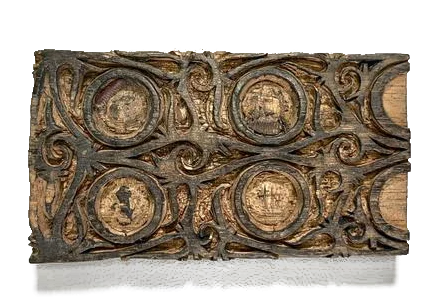
The origins of tattooing trace back to ancient rituals where women played a central role in transforming pain into permanence. Long before needles became the primary tool, early tattooing involved sharp objects that created small openings in the skin, allowing pigments like soot or charcoal to embed meaning into the body. These early practices weren’t just about decoration—they were acts of protection, nourishment, and spiritual connection, often tied to ideas of womanhood, healing, and survival.
Archaeological evidence suggests that tattooing emerged independently across cultures, from Polynesian traditions to Indigenous North American practices. In many societies, women were the keepers of these techniques, using tattoos to mark rites of passage, ward off harm, or carry sacred symbols. The process involved mixing natural pigments with substances like breast milk or ashes, reinforcing the belief that tattooing was as much about internal nourishment as it was about external expression.
The transition from crude tools to modern tattooing needles didn’t erase the ritualistic roots of the practice. Even as methods evolved, the fundamental act—piercing the skin to introduce pigment—remained tied to concepts of pain, permanence, and transformation. Early tattoo artists, often women, understood that the smallest openings could hold the most detail, allowing the body to "open" in ways that transcended physical limits.
Historical records and anthropological studies highlight how tattooing served dual purposes: as a form of medicine and as a means of storytelling. In some cultures, tattoos were believed to trap harmful spirits or diseases, preventing them from reentering the body. In others, they chronicled lineage, achievements, or spiritual devotion. The use of charcoal or ash wasn’t arbitrary; these materials were thought to possess purifying properties, binding the wearer to protective forces.
Scholars like Dr. Lars Krutak, an anthropologist specializing in tattoo traditions, note that the act of tattooing was never merely aesthetic. It was a dialogue between pain and healing, a way to "fill yourself up with something" when external solutions failed. For many, tattoos became literal doors—physical and metaphorical thresholds for pain, trauma, or even divinity.
Today, tattooing has expanded into a global industry, yet its origins remain rooted in these ancient, often female-driven practices. Understanding tattooing’s history requires acknowledging its ties to survival, ritual, and the human desire to claim agency over the body.
#TattooHistory #AncientRituals #BodyArt #CulturalTraditions #TattooOrigins #IndigenousPractices #FeminineKnowledge #BodyModification
Comments (0)
No comments yet — be the first to weigh in.
Yayoi Kusama’s Death Signals a Kind Fall for Art and Humanity
Hyperallergic reflects on the passing of Yayoi Kusama, Dolly Parton, and Sliman Mansour, while exploring loneliness, AI, and art's role in a changing world.
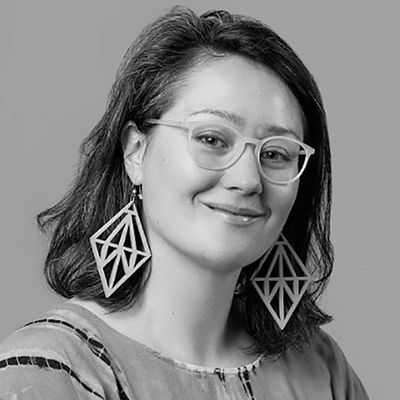
Tessa Hulls on Her Graphic Memoir 'Feeding Ghosts' on Longform Podcast #571
Writer and artist Tessa Hulls discusses her graphic memoir Feeding Ghosts and the project she spent her life avoiding, on Longform Podcast #571.

Derek Thompson on Longform Podcast: Solving Life's Mysteries Through Writing
Derek Thompson, Atlantic staff writer and Plain English host, discusses his career as a 'dilettante' and love for uncovering mysteries in his Longform Podcast interview.
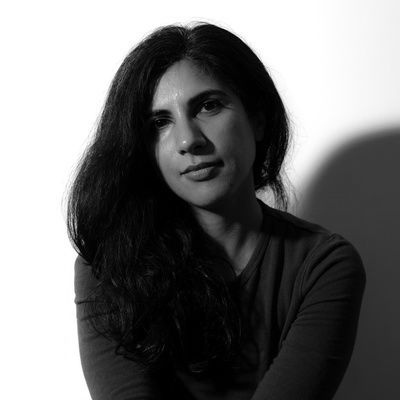
Rozina Ali on Longform Podcast #573 Discussing Her Career and Reporting
Rozina Ali, a New York Times Magazine writer and National Magazine Award winner, joins the Longform Podcast to discuss her career and latest reporting.

Mumbai’s Vile Parle Cypher is giving unheard rappers a voice

Enrich and Ultimo impress

Karnataka CM Signals Review of 5% Park Land Amendment Bill in Assembly

