The Arday Tragedy: A Story Of Institutional Failure, Not A Witch Hunt
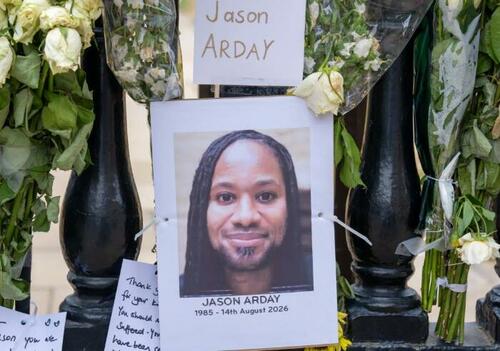
The death of Jason Arday, a prominent academic and advocate for diversity, equity, and inclusion (DEI), has sparked intense debate over institutional accountability and the pressures faced by high-profile figures in academia. Arday, known for his work in sociology and education, died by suicide in early 2024, prompting widespread grief and accusations of systemic failures within universities. Critics have pointed to the role of Nathan Cofnas, a postdoctoral researcher at Ghent University in Belgium, who publicly raised concerns about Arday’s academic record, including allegations of plagiarism. Cofnas, who has written extensively on race and intelligence, has faced backlash for his involvement in exposing these issues, with some arguing that his actions contributed to Arday’s tragic death.
Cofnas has defended his role, stating that his concerns were legitimate and that journalism and scholarly scrutiny serve an essential function in maintaining academic integrity. He was suspended from his position at Ghent University following the controversy, despite no formal findings of wrongdoing against Arday. The case has drawn comparisons to other high-profile scandals, such as those involving journalists Stephen Glass and Jayson Blair, who faced consequences for fabricating stories or plagiarism. Unlike Arday, however, Glass and Blair were not shielded by institutional support, nor did they receive widespread public sympathy.
The support Arday received from prominent figures, including British politician Diane Abbott and academics at the University of Cambridge, underscores a disparity in how different academics are treated. While Arday was elevated to prestigious positions despite unproven allegations of misconduct, other scholars—such as Charles Negy, Linda Gottfredson, and Arthur Jensen—have faced severe backlash for research on intelligence and group differences. Gottfredson, for instance, has been repeatedly defamed by the Southern Poverty Law Center, while Nyborg had to sue for wrongful accusations of scientific misconduct. Negy, who was penalized for stating that Black privilege exists beyond affirmative action, argued that such shielding from criticism itself constitutes a form of privilege.
Arday’s case highlights broader concerns about DEI initiatives in academia, which some critics argue prioritize symbolic representation over substantive qualifications. Arday was a vocal advocate for DEI in higher education, yet his rapid rise to prominence—despite unaddressed allegations of plagiarism—raises questions about the rigor of academic appointments. Unlike other academics who faced scrutiny without institutional backing, Arday’s position was bolstered by elite institutions, only for him to falter under public pressure. This disparity is further illustrated by the case of Mike Adams, a white academic who died by suicide in 2020 after facing relentless criticism for his online statements. Adams received no institutional support, nor did he provoke an outpouring of solidarity, unlike Arday.
The controversy surrounding Arday’s death also intersects with debates on race and intelligence, a topic frequently associated with Cofnas’s research. Cofnas has argued that racial differences in intelligence may have partial genetic origins, a position supported by some psychologists, including Russell Warne, author of *In the Know: Debunking 35 Myths About Human Intelligence*. While this view remains controversial, critics argue that environmental explanations for cognitive disparities have failed to provide a compelling alternative. Research by Robert Plomin in *Blueprint: How DNA Makes Us Who We Are* suggests that genetic factors play a significant role in cognitive development, even when environmental conditions are similar.
Ultimately, Arday’s death is a tragedy that underscores the need for greater transparency and accountability in academia. Whether driven by DEI policies or other institutional pressures, the rush to elevate individuals without ensuring their readiness for high-profile roles can have devastating consequences. Cofnas’s role in exposing potential misconduct does not make him responsible for Arday’s death, but it does highlight the failures of a system that elevates symbols over substance.
#JasonArday #NathanCofnas #AcademicScrutiny #DEI #GhentUniversity #UniversityOfCambridge #Plagiarism #RaceAndIntelligence
Comments (0)
No comments yet — be the first to weigh in.

Free School Uniform Swap Shop Saves Welsh Families £50m Annually
A Cardiff father's school uniform swap shop initiative has grown to 200 schools, helping Welsh families save £50m yearly while promoting sustainability and reducing clothing waste.

Poland, US Explore Permanent Military Bases: Defense Talks Underway
Poland and the US are discussing permanent American military bases in Poland, focusing on defense capabilities rather than troop numbers. Nuclear warheads are not part of the plans.

Taxpayers Lost $65B to Obamacare Fraud in 2024; Feds Crack Down
A Paragon Health Institute report reveals $65 billion in taxpayer losses due to Obamacare and Medicaid fraud in 2024, with improper enrollments rising in 2025.
El Niño Delaying 2026 Atlantic Hurricane Season as Dolly Nears Florida
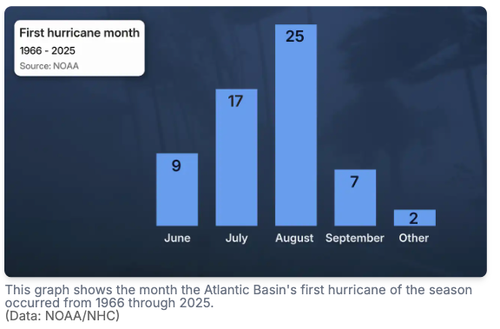
El Niño's wind shear suppresses 2026 Atlantic hurricane activity, delaying first hurricane as Tropical Storm Dolly's remnants approach Florida and the Caribbean.

Mumbai’s Vile Parle Cypher is giving unheard rappers a voice

Enrich and Ultimo impress

Karnataka CM Signals Review of 5% Park Land Amendment Bill in Assembly

