The Common Good Debate Leaves Out the Base’s Desire to Be Left Alone
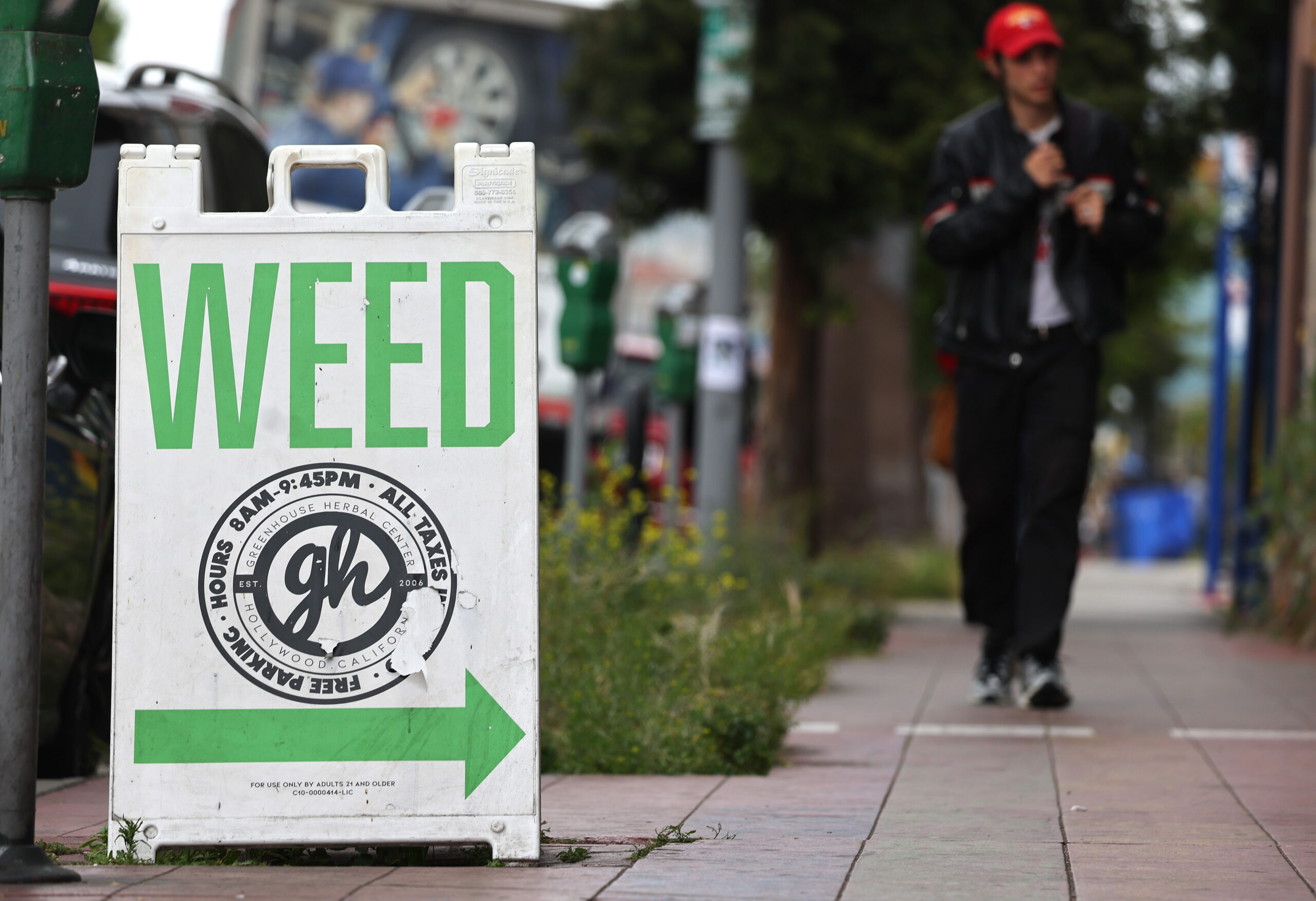
The ongoing debate among conservative intellectuals over the concept of the "common good" has intensified, revealing deep divisions within the right during the second Trump administration. While some argue that government policy should prioritize collective welfare, others warn that such an approach could undermine individual liberties. However, a critical perspective remains largely absent from this discourse: the views of Republican voters themselves. Far from rallying behind a shared notion of the common good, many conservatives increasingly embrace the sentiment of "Leave us alone," prioritizing personal freedom over collective obligations.
The term "common good" lacks a clear definition, with proponents like Harvard law professor Adrian Vermeule and *National Review* writer Michael Brendan Dougherty offering differing interpretations. Vermeule argues that governance should aim to promote "good rule," while Dougherty describes it as the conditions enabling personal and community flourishing. Yet this concept remains contentious, particularly when applied to policies like wokeness or public health measures, which some conservatives view as impositions by elites rather than expressions of collective welfare.
The right’s opposition to these policies stems not from a rejection of individualism, as common-good conservatives suggest, but from a broader distrust of government overreach. Republican voters have demonstrated this preference through ballot initiatives legalizing vices like marijuana, gambling, and sports betting—policies that common-good advocates often criticize. Recent referendums in states like Ohio, Missouri, and Nebraska reflect this trend, with even core GOP demographics, such as Baby Boomers, increasingly supporting recreational cannabis use.
Similarly, resistance to property taxes and surveillance technologies like flock cameras highlights the base’s rejection of collective obligations. Many conservatives view these measures as government overreach rather than contributions to public welfare. This sentiment was further reinforced during the COVID-19 pandemic, when mandates like mask-wearing, remote work, and vaccination were seen as infringements on personal liberty rather than acts of communal responsibility.
The disconnect between conservative intellectuals and the Republican base was analyzed years ago by journalist Tanner Greer, who described the latter’s libertarianism as instinctive rather than ideological. Greer contrasted the New Right’s elitist, communitarian vision with the base’s rebellious, individualist tendencies—a divide that has only grown since then.
As the common-good debate persists, its proponents may struggle to align their vision with the priorities of the very voters they seek to mobilize. For many conservatives, the lesson of COVID-era mandates and peak wokeness is clear: they want to be left alone to make their own choices, with little appetite for sacrificing personal freedom in the name of a vaguely defined collective good.
#CommonGoodDebate #RepublicanBase #Libertarianism #COVIDMandates #Wokeness #PropertyTaxes #ConservativeIntellectuals #TannerGreer
Comments (0)
No comments yet — be the first to weigh in.

Middlesbrough's Crime Crisis: Decades of Failed Policies Unleash Chaos
Former Middlesbrough mayor Andy Preston blames decades of lenient crime policies for the town's recent surge in gang violence and lawlessness.

Google Maps Renames Lake Ontario to 'Lake America' Following Trump Order
Google Maps now displays 'Lake America' in the US, replacing 'Lake Ontario' after Trump's executive order amid trade tensions with Canada. Canadians still see the original name.

Pentagon Warns Pentagon Chiefs: Iran War Unsustainable, Threatens U.S. Readiness
Classified assessment reveals Pentagon chiefs warn Defense Secretary Pete Hegseth that the Iran war is unsustainable and drains U.S. military resources and readiness.

Mike Rogers Proposes $50 Copays for Routine Health Screenings, Critics Warn of Risks
Former Congressman Mike Rogers suggests $50 copays for routine screenings, sparking debate over healthcare costs and access. Critics highlight potential risks.

Mumbai’s Vile Parle Cypher is giving unheard rappers a voice

Enrich and Ultimo impress

Karnataka CM Signals Review of 5% Park Land Amendment Bill in Assembly

