The Fourth Circuit Says Border Agents Can Search Your Phone By Hand, No Suspicion Required

A federal appeals court has ruled that U.S. border agents may conduct manual searches of travelers’ electronic devices without any suspicion of wrongdoing, setting a lower legal standard for such inspections than for more advanced forensic searches.
The Fourth Circuit Court of Appeals, in a decision released Tuesday in U.S. v. Belmonte Cardozo, found that manual phone searches at the border do not require individualized suspicion, warrant or probable cause. The ruling applies to searches at ports of entry and airports within the Fourth Circuit, which covers Maryland, North Carolina, South Carolina, Virginia and West Virginia.
The Electronic Frontier Foundation (EFF) and civil liberties groups had argued that both manual and forensic device searches should be subject to the same Fourth Amendment standards, pointing to Supreme Court precedent in Riley v. California that recognized the vast privacy interests in smartphones. But the court disagreed, distinguishing manual searches as “routine” border inspections that do not trigger heightened scrutiny.
Jose Belmonte Cardozo was flagged by U.S. Customs and Border Protection (CBP) when he arrived at Washington Dulles International Airport from Bolivia. A CBP officer manually searched his phone and discovered images later identified as child sexual abuse material. Belmonte Cardozo was arrested and later indicted on federal charges.
The Fourth Circuit’s decision contrasts with its own earlier rulings on forensic device searches. In U.S. v. Kolsuz (2018), the court held that forensic searches require individualized suspicion of a transnational offense. In U.S. v. Aigbekaen (2019), it ruled that forensic searches supporting domestic investigations must be conducted under warrant. The Belmonte Cardozo panel, however, treated manual searches differently, finding them constitutionally permissible without suspicion.
The court cited four factors to justify the distinction: manual searches are human-driven, limited in scope, reveal only accessible data, and produce fleeting, unrecorded impressions. But the judges did not explain why these technical differences lower the constitutional bar. The EFF and its allies had contended that both search methods can expose the same deeply personal data—messages, photos, browsing history, location logs—that define modern life.
Critics argue that the time or method of searching does not diminish the privacy harm. Even a two-minute manual inspection can reveal intimate details. Improved device search tools can surface sensitive information almost instantly, making duration an unreliable measure of invasiveness.
The court did leave open the possibility that longer manual searches could trigger heightened scrutiny in future cases. But for now, border agents within the Fourth Circuit can conduct suspicionless manual device searches, effectively bypassing warrant requirements that would apply to searches conducted just a few miles inland.
The EFF plans to continue opposing warrantless, suspicionless device searches at the border and advocating for stronger privacy protections for digital data.
#FourthCircuit #EFF #BorderSearches #DigitalPrivacy #FourthAmendment #CBP #BelmonteCardozo
Comments (0)
No comments yet — be the first to weigh in.

Energy biz SSE smacked around in court by a guy and AI
An Oxford doctoral student has defeated British energy provider SSE Energy Supply in court after utilizing artificial intelligence models to build his legal def...
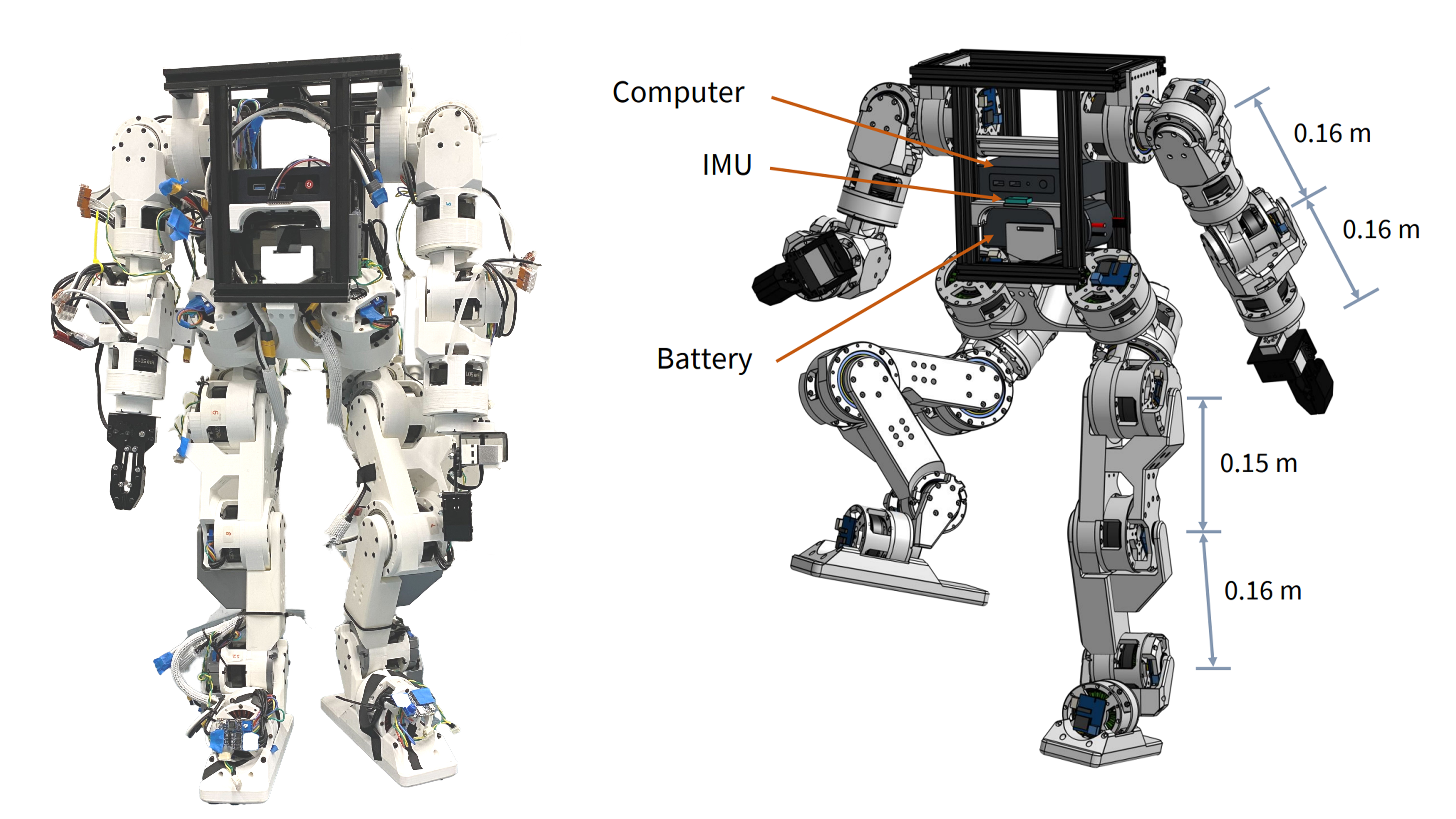
Berkeley Humanoid Lite: Affordable Open-Source Robot with DIY Actuators
Explore the Berkeley Humanoid Lite, a budget-friendly open-source robot featuring 3D-printed actuators under $5,000 USD. Learn how its modular design benefits DIY projects.
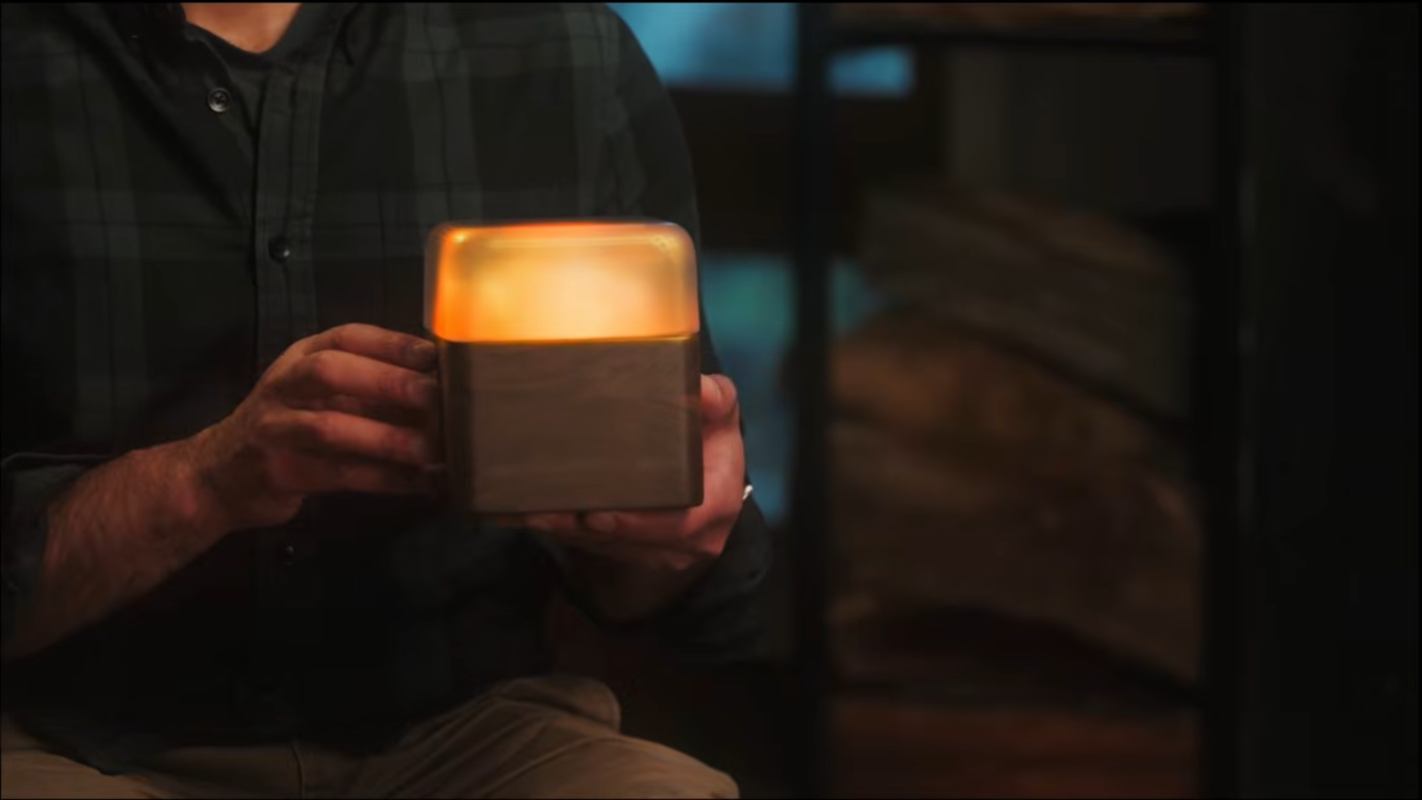
Woodstove Safety Monitor: Oru System Alerts Users to Temperature Fluctuations
Discover how the Oru woodstove assistant helps prevent dangerous chimney fires by monitoring exhaust gas temperatures and alerting users to temperature changes.
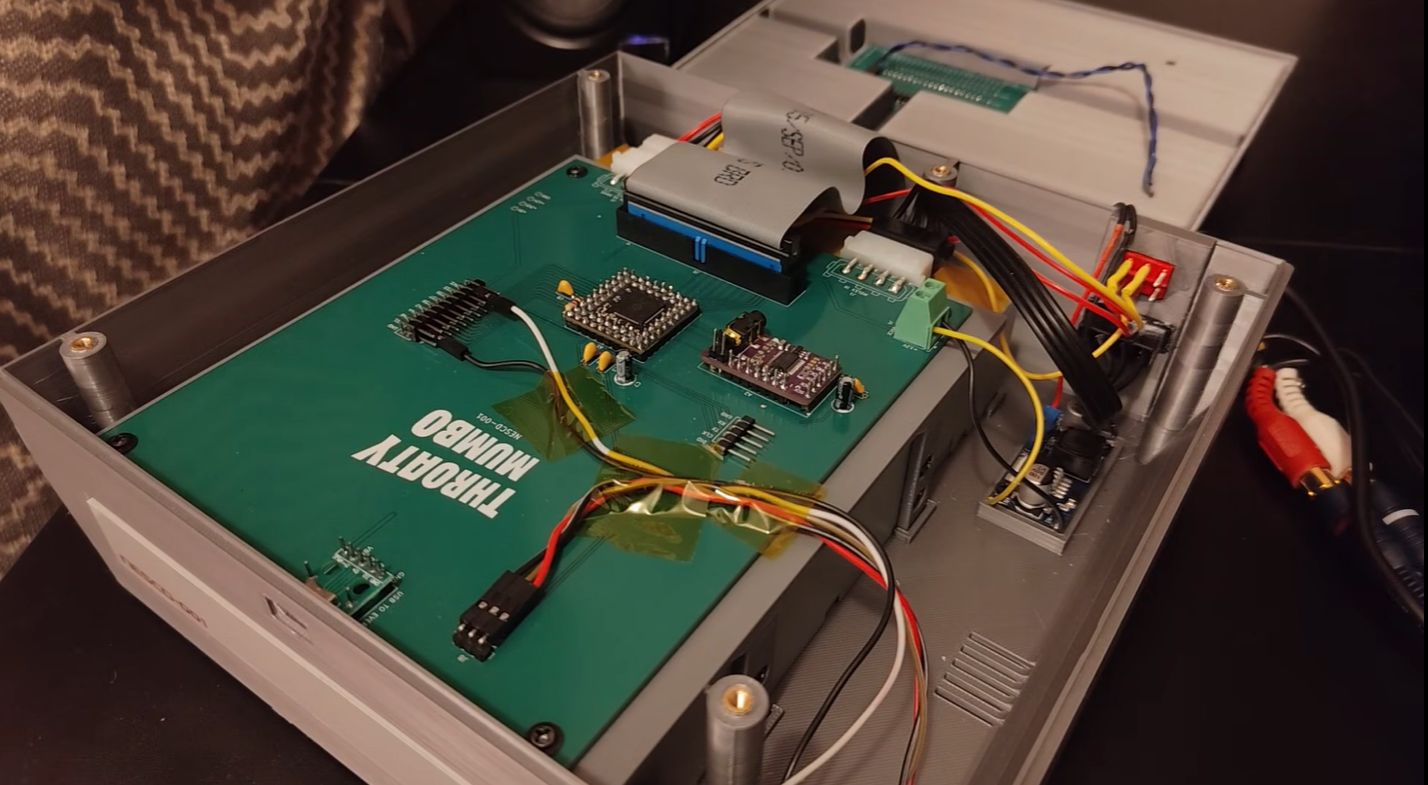
NES CD Add-On Revives 1980s Gaming with Optical Storage
Explore how a DIY project integrates a CD drive with the NES using an RP2350B microcontroller and Everdrive N8 Pro for expanded storage and audio playback.

Mumbai’s Vile Parle Cypher is giving unheard rappers a voice

Enrich and Ultimo impress

Karnataka CM Signals Review of 5% Park Land Amendment Bill in Assembly

