Thoughts About the “A Whole Civilization Will Die Tonight” President
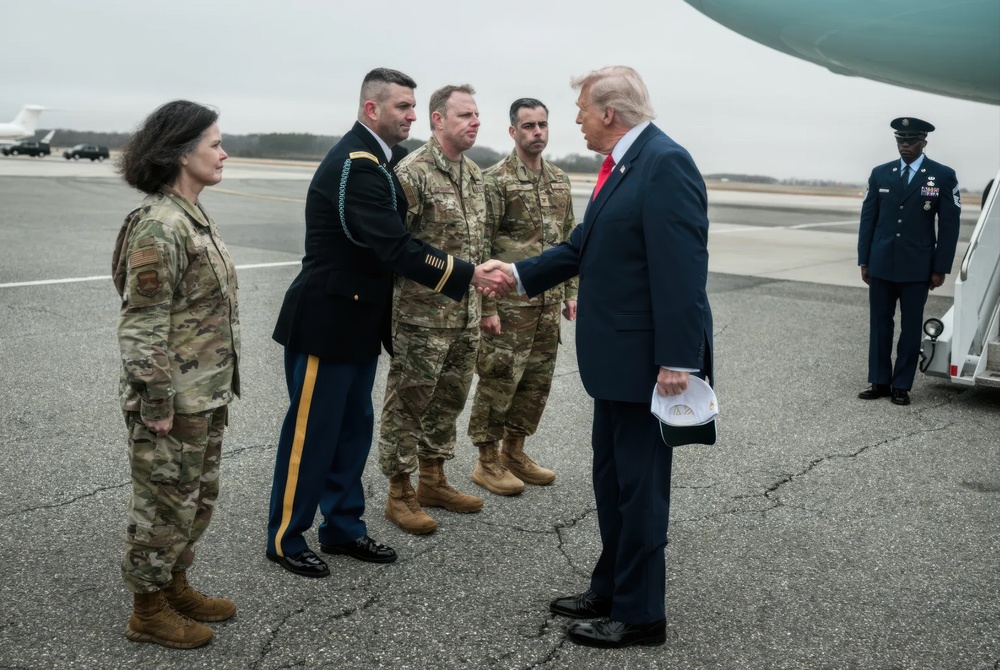
WASHINGTON, D.C. — President Donald Trump’s recent escalation of threats against Iran has raised concerns about U.S. foreign policy under his administration, particularly regarding military engagement and global stability.
Trump has repeatedly signaled his willingness to use military force against Iran, despite his past claims of avoiding new wars. In a 1980 interview, he expressed support for military action against Iran, which at the time was holding American hostages. Now in his second term, Trump’s rhetoric has intensified. In recent months, he has threatened severe consequences if Iran does not reopen the Strait of Hormuz, a critical shipping route, warning of potential catastrophic outcomes.
His statements have been marked by inconsistency. After initially threatening dire consequences, he later softened his stance, only to renew threats, framing Iran as "duplicitous" and warning of military action if demands were not met. Analysts note that Trump’s approach has contributed to global uncertainty, with Iran and Oman now playing a key role in managing the Strait of Hormuz, a vital corridor for international trade.
Trump’s proposals to increase the Pentagon’s budget to $1.5 trillion annually—a historic high—further underscore his administration’s military focus. This proposed increase, the largest since the Korean War, has drawn scrutiny, as it exceeds previous defense spending levels.
The president’s unpredictable statements have added to concerns about his decision-making. In recent remarks, he suggested Iran would face "decapitation" if it did not comply with U.S. demands, a remark whose meaning remains unclear. His administration’s shifting positions have left allies and adversaries alike uncertain about U.S. intentions.
U.S. media coverage has highlighted Trump’s erratic approach to foreign policy. A recent report in *The New York Times* described the U.S. under his leadership as "an unpredictable instrument of global disorder," with Iran and regional actors effectively controlling the Strait of Hormuz despite U.S. threats.
Political observers suggest that Trump’s second term has brought increased instability, with even his staunchest supporters growing uneasy. His tendency to make impulsive statements—without immediate clarification—has made forecasting his next move difficult, even for those within his administration.
As of now, the U.S.-Iran standoff remains unresolved, with the possibility of further escalation or abrupt shifts in policy. Whether through military action, diplomatic maneuvering, or another unpredictable turn, the situation continues to evolve under a president known for his unconventional leadership style.
Comments (0)
No comments yet — be the first to weigh in.

Iran-US Tensions Escalate Amid Hormuz Strait Crisis – Live Updates
Iranian President Pezeshkian seeks diplomatic solutions with global leaders at SCO summit in Kyrgyzstan amid rising US tensions over Hormuz Strait.

Search continues for 18 passengers after ferry capsized in northern Cyprus
Search and rescue operations are continuing off the coast of Kyrenia in northern Cyprus after a passenger ferry capsized and sank on Sunday, leaving at least ei...

Swiss Man Arrested After Deadly Rave Shooting Kills Italian Woman
A 43-year-old Swiss suspect has been arrested after a shooting at a techno rave in Aarau left one woman dead and several others injured. Authorities continue their investigation.

England attack's 2005 comparisons fair - Trescothick
England’s new pace attack is drawing comparisons to the legendary Ashes-winning quartet of 2005, according to interim head coach Marcus Trescothick. The current...

Mumbai’s Vile Parle Cypher is giving unheard rappers a voice

Enrich and Ultimo impress

Karnataka CM Signals Review of 5% Park Land Amendment Bill in Assembly

