To End the Iran War, We Must Look Beyond Munich
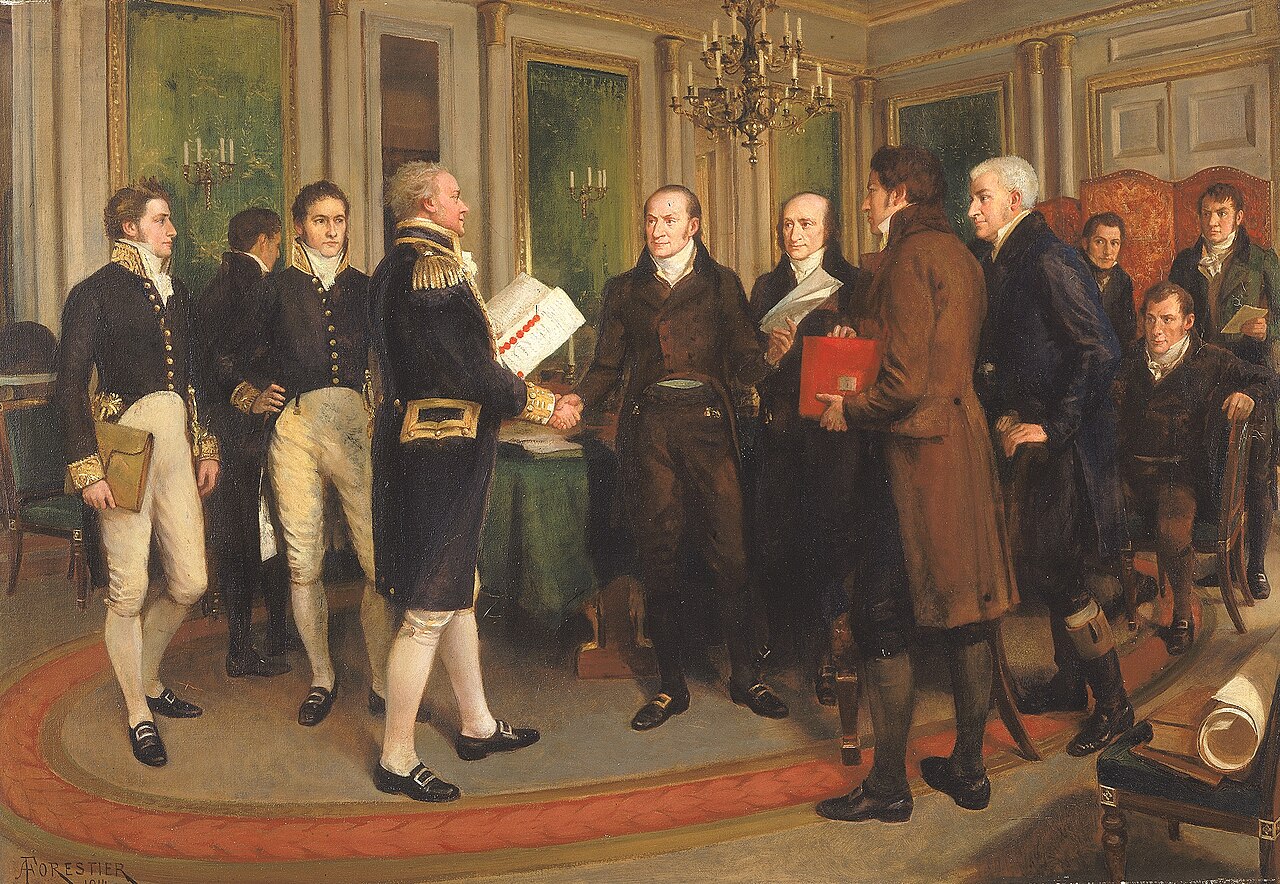
The United States' confrontation with Iran has reached a critical juncture, with growing concerns that economic sanctions and military posturing could escalate into a broader conflict. As policymakers weigh options, historical precedents suggest a more measured approach may be necessary to avoid repeating past mistakes. The debate over how to handle Iran’s nuclear ambitions and regional influence has reignited comparisons to historical events, particularly the Munich Agreement of 1938, where appeasement was blamed for emboldening aggression. However, analysts argue that other historical examples, such as the punitive terms of the Treaty of Versailles after World War I, offer more relevant lessons for today’s standoff.
The Treaty of Versailles, which imposed harsh reparations on Germany, is often cited as a cautionary tale. Economist John Maynard Keynes warned at the time that such measures would destabilize Germany’s economy and fuel resentment, ultimately paving the way for World War II. Some historians draw parallels to the current U.S. strategy toward Iran, warning that excessive economic pressure—without diplomatic engagement—could similarly backfire. The 2015 Joint Comprehensive Plan of Action (JCPOA), or Iran nuclear deal, achieved under President Barack Obama, is frequently contrasted with today’s more confrontational approach. While the JCPOA had limitations, it successfully curbed Iran’s nuclear program through international inspections, a model some argue could still inform U.S. policy.
History provides mixed results for economic sanctions as a tool of coercion. The U.S. embargo on Imperial Japan in the 1930s contributed to the attack on Pearl Harbor, while sanctions on Cuba under Fidel Castro played a role in escalating Cold War tensions. More recently, sanctions against Saddam Hussein’s Iraq devastated the country’s middle class and contributed to long-term instability. These cases raise questions about whether Washington’s current “maximum pressure” campaign against Iran could similarly backfire, particularly given the risks of escalation in the Strait of Hormuz or internal unrest within Iran.
A more constructive path may lie in de-escalation, as seen in the War of 1812 between the U.S. and Britain. Despite burning the White House and failed military campaigns, both sides eventually agreed to the Treaty of Ghent, which restored prewar borders and set the stage for a lasting “special relationship.” A similar approach today could involve reciprocal confidence-building measures, such as Iran allowing international nuclear inspectors back into the country or the U.S. reducing its military presence in the region. Such steps, even without a formal treaty, could help stabilize tensions.
The stakes remain high. Pentagon records now acknowledge 624 wounded service members since the start of operations, while estimates of war costs exceed $370 billion—and potentially over $1 trillion when accounting for long-term expenses like veterans’ care. With national debt surpassing $40 trillion and rising food insecurity in the U.S., the human and economic toll of prolonged conflict raises urgent questions about whether further escalation serves American interests.
Rather than repeating the mistakes of Munich or Versailles, a pragmatic approach—one that balances pressure with diplomacy—may offer the best path forward in managing tensions with Iran.
#IranWar #USForeignPolicy #NuclearDiplomacy #MiddleEast #HistoryLessons #EconomicSanctions #JCPOA #Geopolitics
Comments (0)
No comments yet — be the first to weigh in.

Middlesbrough's Crime Crisis: Decades of Failed Policies Unleash Chaos
Former Middlesbrough mayor Andy Preston blames decades of lenient crime policies for the town's recent surge in gang violence and lawlessness.

Google Maps Renames Lake Ontario to 'Lake America' Following Trump Order
Google Maps now displays 'Lake America' in the US, replacing 'Lake Ontario' after Trump's executive order amid trade tensions with Canada. Canadians still see the original name.

Pentagon Warns Pentagon Chiefs: Iran War Unsustainable, Threatens U.S. Readiness
Classified assessment reveals Pentagon chiefs warn Defense Secretary Pete Hegseth that the Iran war is unsustainable and drains U.S. military resources and readiness.

Mike Rogers Proposes $50 Copays for Routine Health Screenings, Critics Warn of Risks
Former Congressman Mike Rogers suggests $50 copays for routine screenings, sparking debate over healthcare costs and access. Critics highlight potential risks.

Mumbai’s Vile Parle Cypher is giving unheard rappers a voice

Enrich and Ultimo impress

Karnataka CM Signals Review of 5% Park Land Amendment Bill in Assembly

