Troubleshooting Shorted Capacitors to Revive a Dead SD Card
Learn how diagnosing and removing faulty capacitors can restore functionality to a seemingly dead SD card and recover valuable data.
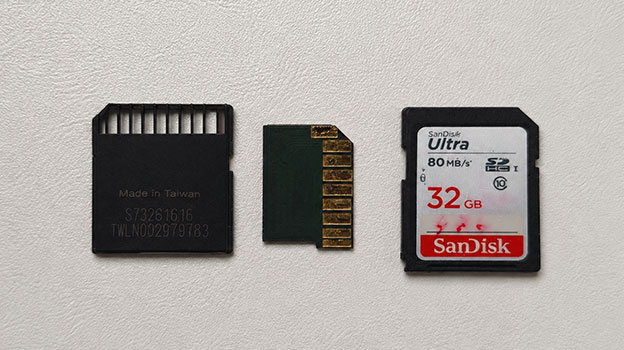
A 32-gigabyte SD card that appeared to be dead was revived by removing two shorted capacitors, according to a repair documented by electronics engineer Yevgeniy Kapishon.
Initial testing showed a direct short between the card’s supply rail and ground, which typically indicates a failed component. Unlike older SD cards, this model was constructed as a single molded package, preventing direct access to individual parts on a printed circuit board. To locate the fault, Kapishon used an X-ray machine and a thermal imaging camera to peer inside the sealed assembly.
By overlaying the thermal hot spot with the X-ray image, he identified two tiny capacitors near the edge of the package as the source of the short. After carefully removing the surrounding plastic with precision tools, he extracted the capacitors. Once removed, the short on the power rail disappeared, and the SD card powered on normally.
Shorts caused by multilayer ceramic capacitors (MLCCs) are a common failure in many electronic devices, from consumer gadgets to industrial equipment. In this case, the underlying NAND flash memory and controller were undamaged; only the passives had failed. After the capacitors were removed, the card was able to communicate with a computer, allowing data recovery.
The repair highlights a recurring issue in modern electronics: while many devices are designed to be disposable, the core storage components often remain functional even when minor parts fail. In SD cards, the rigid, molded packaging has made traditional repair methods obsolete, but Kapishon’s approach shows that, in some cases, targeted component removal can restore functionality without risking the integrity of the stored data.
The technique relied on non-destructive imaging to identify the faulty parts before any physical modification, minimizing the risk of damaging adjacent components. Once the capacitors were removed, the short was eliminated, and the card resumed normal operation.
This case adds to a growing body of anecdotal evidence that, despite being marketed as non-repairable, many solid-state storage devices can be recovered through careful component-level troubleshooting—provided the underlying memory remains intact.
Comments (0)
No comments yet — be the first to weigh in.

Energy biz SSE smacked around in court by a guy and AI
An Oxford doctoral student has defeated British energy provider SSE Energy Supply in court after utilizing artificial intelligence models to build his legal def...
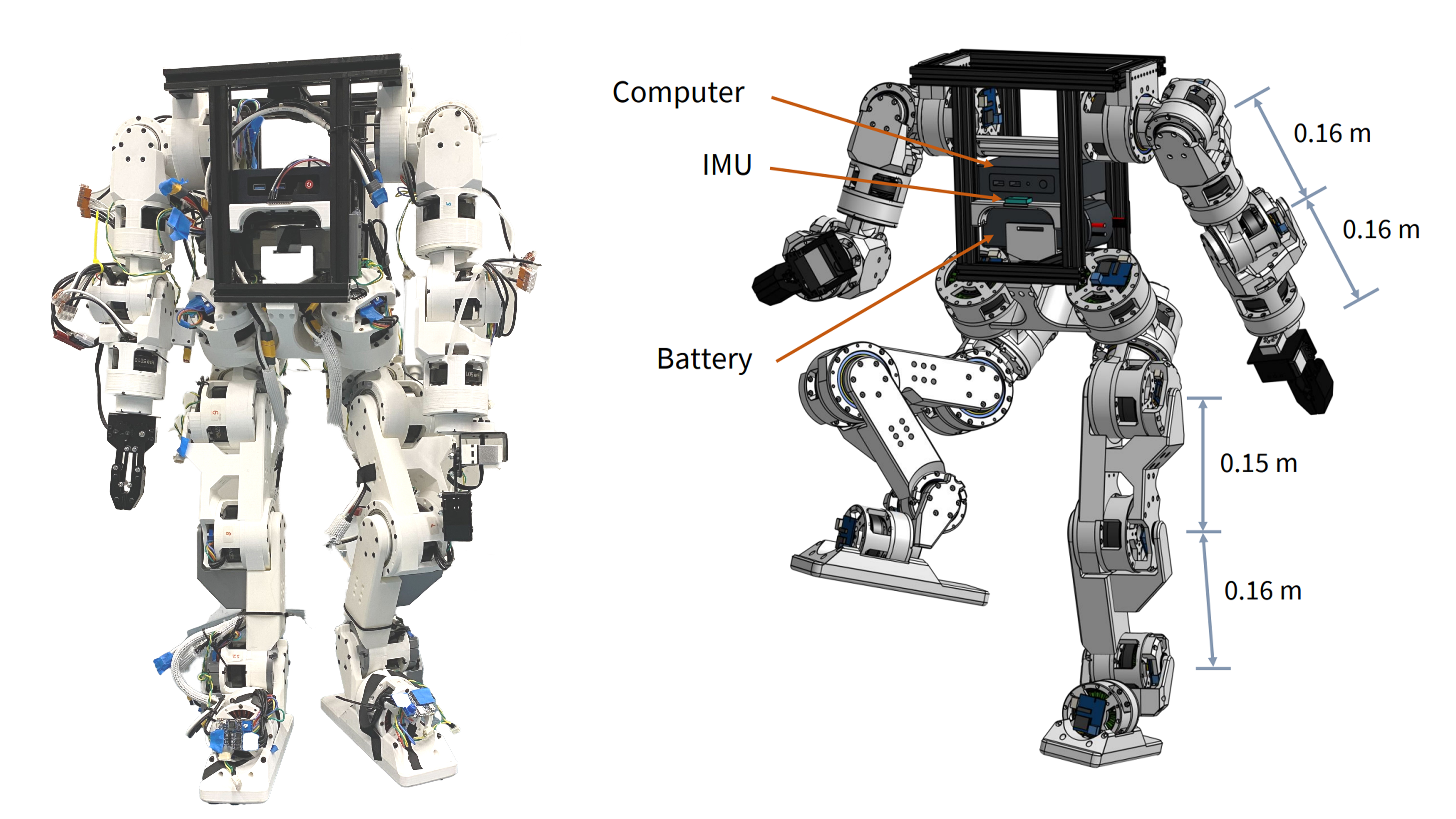
Berkeley Humanoid Lite: Affordable Open-Source Robot with DIY Actuators
Explore the Berkeley Humanoid Lite, a budget-friendly open-source robot featuring 3D-printed actuators under $5,000 USD. Learn how its modular design benefits DIY projects.

Woodstove Safety Monitor: Oru System Alerts Users to Temperature Fluctuations
Discover how the Oru woodstove assistant helps prevent dangerous chimney fires by monitoring exhaust gas temperatures and alerting users to temperature changes.
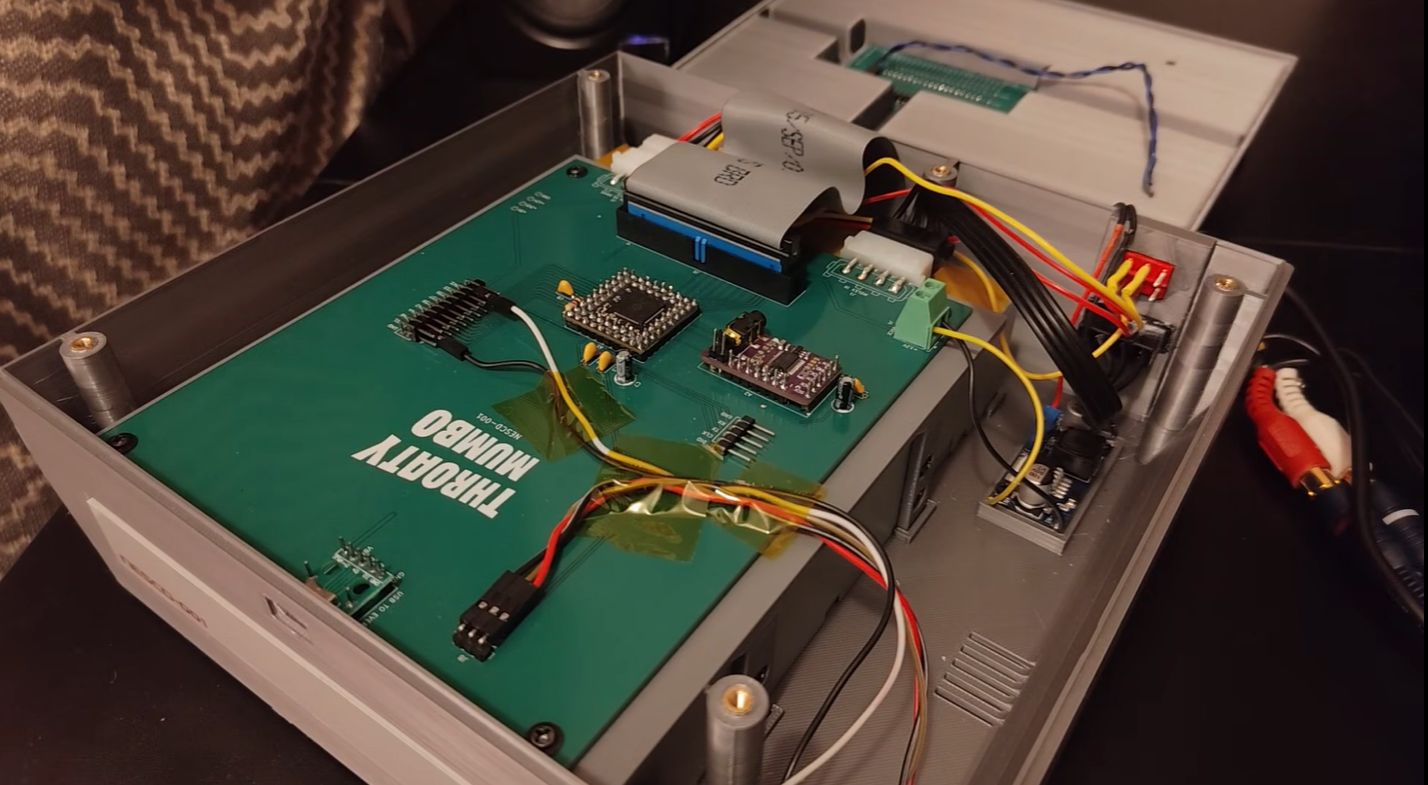
NES CD Add-On Revives 1980s Gaming with Optical Storage
Explore how a DIY project integrates a CD drive with the NES using an RP2350B microcontroller and Everdrive N8 Pro for expanded storage and audio playback.

Mumbai’s Vile Parle Cypher is giving unheard rappers a voice

Enrich and Ultimo impress

Karnataka CM Signals Review of 5% Park Land Amendment Bill in Assembly

