Turns out Brits would quite like their private messages to stay private

A new poll commissioned by the Center for Democracy & Technology (CDT) reveals strong public opposition in the UK to government access to encrypted private messages. The survey, conducted by Public First among 2,000 British adults in April, found that 93 percent believe they have a right to private online conversations. Additionally, 89 percent say no one should be able to access personal messages without a court order.
The findings present a challenge for the UK government, as two-thirds of respondents said they would not trust any government—current or future—with the power to access encrypted communications. This skepticism spans political lines, with majorities across party lines expressing distrust: 58 percent of Labour voters, 59 percent of Conservatives, 56 percent of Liberal Democrats, 69 percent of Greens, and 75 percent of Reform voters all said they would not trust the government with such authority.
The poll arrives as the UK government continues to push for increased access to encrypted data, despite resistance from the tech industry. Encryption experts argue that weakening encryption to allow government access would create vulnerabilities exploitable by criminals and hostile actors. The debate intensified when Apple withdrew its Advanced Data Protection feature from UK users after receiving a secret Technical Capability Notice (TCN) under the Investigatory Powers Act. While the US government later indicated that the UK had withdrawn its demand regarding American users, reports suggest a new TCN may have been issued specifically targeting UK users.
Despite the controversy, 55 percent of those polled said they were unaware of the Apple notice. When informed about the issue, public support for government-mandated access remained low. Only 12 percent backed the idea of the government secretly ordering companies to provide encrypted user data while barring those companies from disclosing the orders. A third of respondents said such powers should not exist at all, while 41 percent called for greater transparency or parliamentary oversight.
Concerns over security risks also weighed heavily on public opinion. Fifty-three percent said the risks of accessing encrypted messages outweigh any benefits to law enforcement, compared to 28 percent who believed the benefits were greater. Eighty-four percent expressed worry that backdoors or access mechanisms could be exploited by hackers or criminals, and 82 percent feared potential abuse of such powers.
Public behavior may also be affected. Sixty-five percent said they would become more cautious about what they liked, shared, or commented on online if they believed their communications could be monitored. Forty-one percent said they would self-censor criticism of public institutions or government officials.
The CDT, a digital rights organization that advocates for strong encryption, commissioned the survey as part of its ongoing campaign. The polling was conducted independently by Public First, with a margin of error of 2.2 percentage points.
Jim Killock, executive director of the Open Rights Group, commented on the findings: “The British public instinctively know that being able to communicate privately is crucial to our individuality and to the survival of a free and open society. The government persists with the myth that it can weaken encryption to target the bad guys only. Attacks on the security of our phones, security tools and messaging apps harm us all and make our democracy weaker.”
While the government continues to pursue policies around encrypted communications, the poll suggests there is little public enthusiasm for weakening encryption standards.
#UK privacy #Encrypted messaging #Investigatory Powers Act #Apple encryption #Digital rights #Public opinion poll #Surveillance debate #Privacy rights
Comments (0)
No comments yet — be the first to weigh in.

Energy biz SSE smacked around in court by a guy and AI
An Oxford doctoral student has defeated British energy provider SSE Energy Supply in court after utilizing artificial intelligence models to build his legal def...
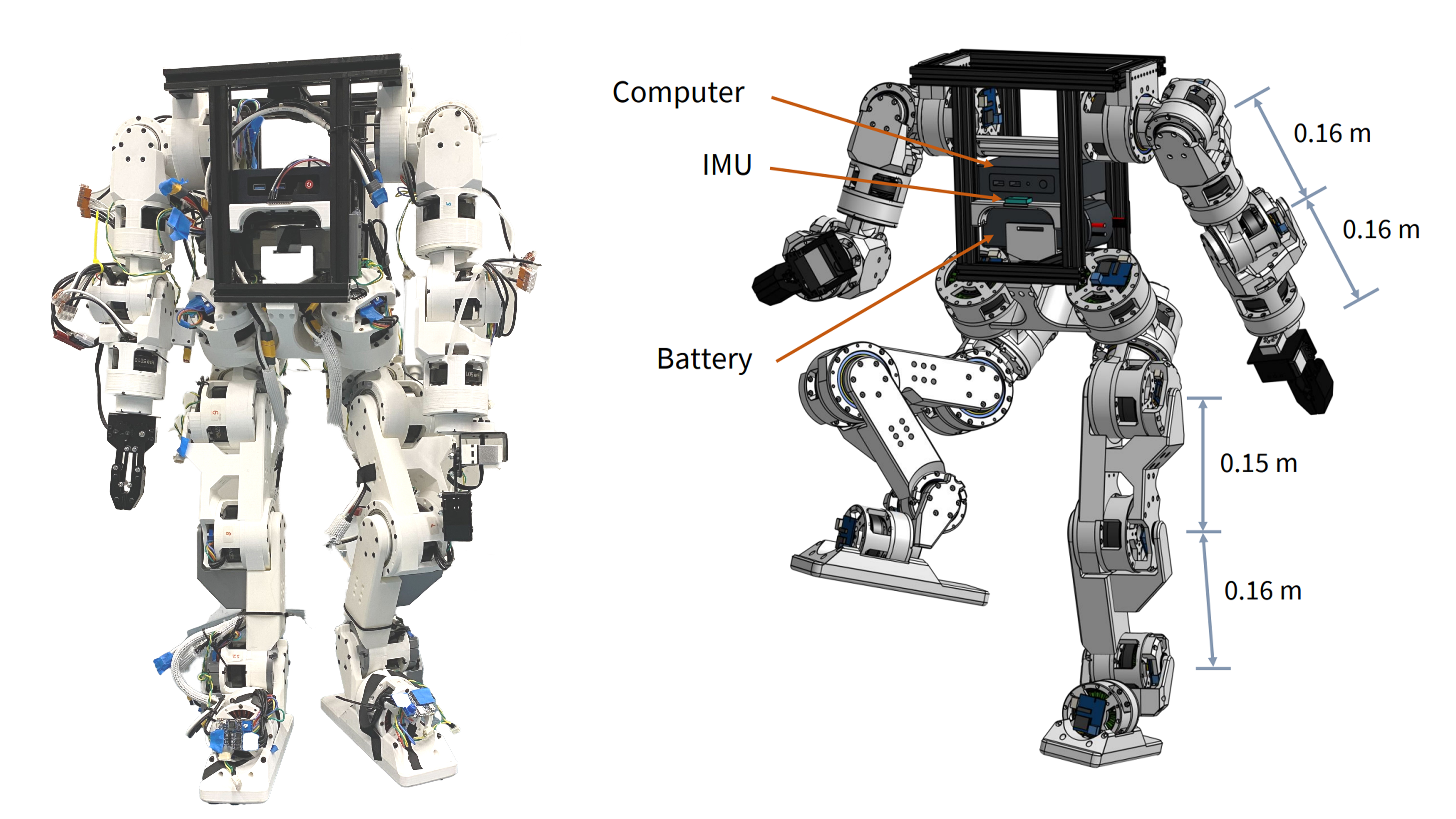
Berkeley Humanoid Lite: Affordable Open-Source Robot with DIY Actuators
Explore the Berkeley Humanoid Lite, a budget-friendly open-source robot featuring 3D-printed actuators under $5,000 USD. Learn how its modular design benefits DIY projects.

Woodstove Safety Monitor: Oru System Alerts Users to Temperature Fluctuations
Discover how the Oru woodstove assistant helps prevent dangerous chimney fires by monitoring exhaust gas temperatures and alerting users to temperature changes.

NES CD Add-On Revives 1980s Gaming with Optical Storage
Explore how a DIY project integrates a CD drive with the NES using an RP2350B microcontroller and Everdrive N8 Pro for expanded storage and audio playback.

Mumbai’s Vile Parle Cypher is giving unheard rappers a voice

Enrich and Ultimo impress

Karnataka CM Signals Review of 5% Park Land Amendment Bill in Assembly

