Unprecedented teen protections on Instagram see $18B lawsuit settled

Meta Inc. has agreed to settle a $18 billion lawsuit brought by 52 U.S. states, territories and the District of Columbia that accused the company of deliberately designing Instagram and Facebook to be addictive to teenagers. The settlement includes a payment that will fund youth‑safety initiatives and the implementation of new protective features for users under 18, such as automatic time limits, a night‑mode setting and a “self‑care” mode that reduces exposure to potentially harmful content.
The lawsuit, filed in 2022, alleged that Meta’s algorithmic feeds encourage overuse among minors, contributing to cyberbullying, body‑image pressure and sleep deprivation that can affect academic performance. State attorneys general argued that Meta’s design choices were intended to maximize engagement and, by extension, advertising revenue. The coordinated action was a response to what the states described as a lack of federal regulation on social‑media harms.
Under the settlement, Meta has provisionally agreed to pay $18 billion to the states, although the company has stated that only 70 percent of that amount is guaranteed. The remaining 30 percent will be contingent on other major platforms—specifically YouTube and TikTok—adopting similar protective measures and contributing to the fund. Meta also said that its time‑limit and night‑mode features will remain guaranteed for five years, unless those other platforms implement comparable restrictions.
The protections will apply automatically to all users under 18 on Instagram and Facebook. They will include a daily time limit that can be set by parents or guardians, a “night mode” that dims the interface after a certain hour, and a self‑care mode that temporarily disables the algorithmic feed and replaces it with a curated set of content. The company has also pledged to provide parents with tools to monitor and manage their children’s use, as well as to increase transparency about how content is recommended.
Enforcement of the new rules remains a key concern. Meta has previously allowed teenagers to circumvent time‑limit settings by creating multiple accounts or using third‑party apps. The settlement requires Meta to adopt technical safeguards that make it harder to bypass the protections. States will monitor compliance and may impose penalties if the company fails to meet its obligations.
While the deal applies only in the United States, regulators worldwide are watching closely. Several European and Asian jurisdictions have already begun drafting legislation aimed at protecting minors from algorithmic exploitation. The settlement could serve as a benchmark for international policy, potentially prompting Meta to extend similar safeguards to its global user base.
The $18 billion figure is one of the largest civil settlements in U.S. tech history, surpassing previous agreements with companies such as Google and Apple. Critics argue that the settlement amount may not fully compensate for the harms alleged, and that the conditional nature of the payment could delay the release of funds. Supporters contend that the deal forces Meta to make substantive changes to its platform design and to prioritize the well‑being of younger users.
Meta has not yet announced a public timeline for the rollout of the new features, nor has it confirmed whether it will extend the protections beyond the U.S. market. The company’s spokesperson said that the settlement “reflects our commitment to safeguarding young people and improving the overall health of our platform.”
The outcome of this lawsuit underscores the growing pressure on social‑media giants to address the psychological impacts of their products on vulnerable populations. It also highlights the increasing role of state governments in shaping digital policy in the absence of comprehensive federal regulation. As Meta implements the agreed‑upon measures, the effectiveness of the protections will be scrutinized by both regulators and the public. The settlement’s success will hinge on sustained oversight and the company’s willingness to enforce the new rules consistently.
Comments (0)
No comments yet — be the first to weigh in.

Energy biz SSE smacked around in court by a guy and AI
An Oxford doctoral student has defeated British energy provider SSE Energy Supply in court after utilizing artificial intelligence models to build his legal def...
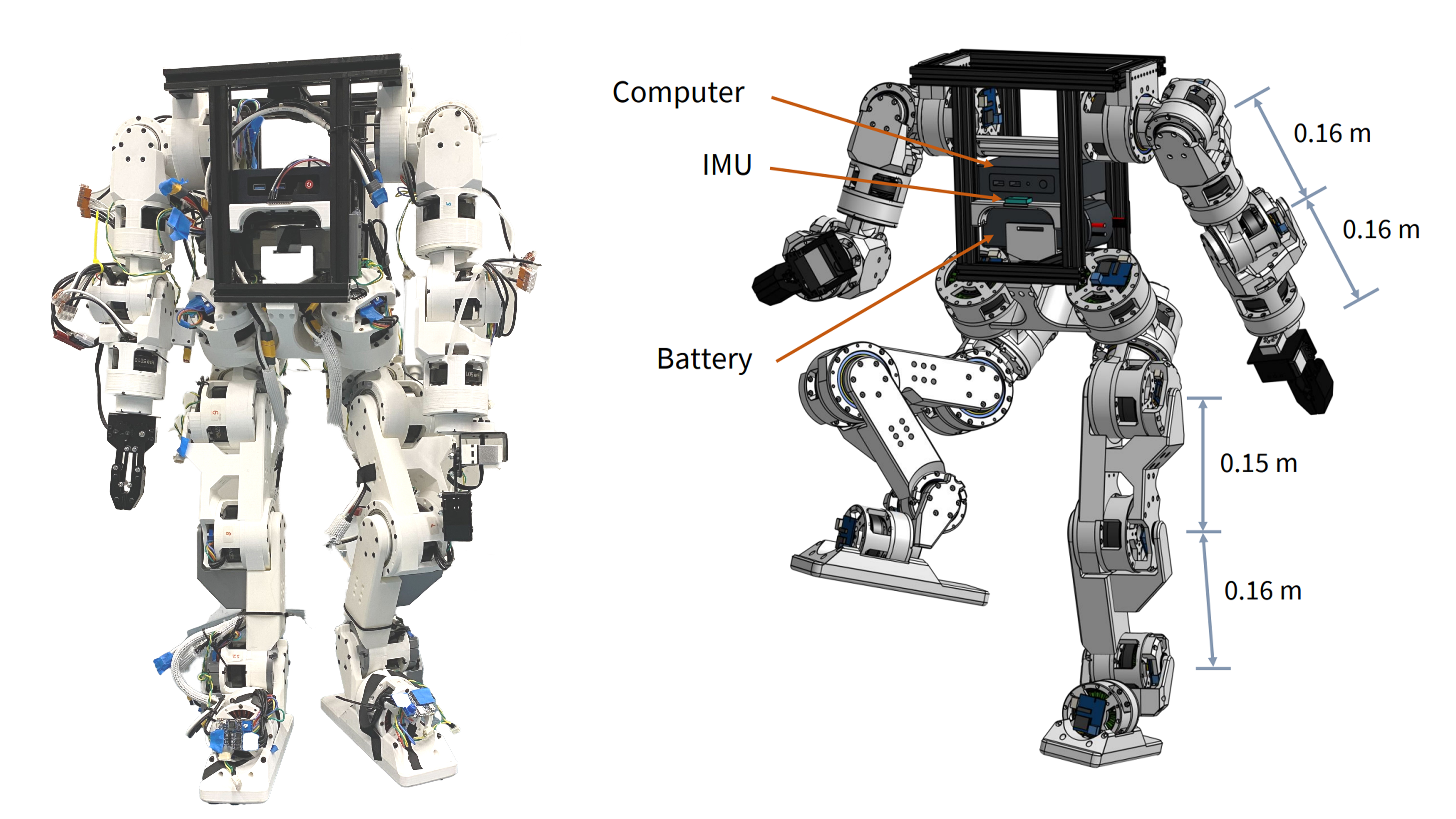
Berkeley Humanoid Lite: Affordable Open-Source Robot with DIY Actuators
Explore the Berkeley Humanoid Lite, a budget-friendly open-source robot featuring 3D-printed actuators under $5,000 USD. Learn how its modular design benefits DIY projects.

Woodstove Safety Monitor: Oru System Alerts Users to Temperature Fluctuations
Discover how the Oru woodstove assistant helps prevent dangerous chimney fires by monitoring exhaust gas temperatures and alerting users to temperature changes.

NES CD Add-On Revives 1980s Gaming with Optical Storage
Explore how a DIY project integrates a CD drive with the NES using an RP2350B microcontroller and Everdrive N8 Pro for expanded storage and audio playback.

Mumbai’s Vile Parle Cypher is giving unheard rappers a voice

Enrich and Ultimo impress

Karnataka CM Signals Review of 5% Park Land Amendment Bill in Assembly

