US Border Surveillance Towers to Nearly Triple by 2034, Costing $1B
Government report reveals DHS plans to expand border surveillance towers from 830 to 2,300 by 2034, raising civil liberties and privacy concerns over taxpayer-funded monitoring of border regions.
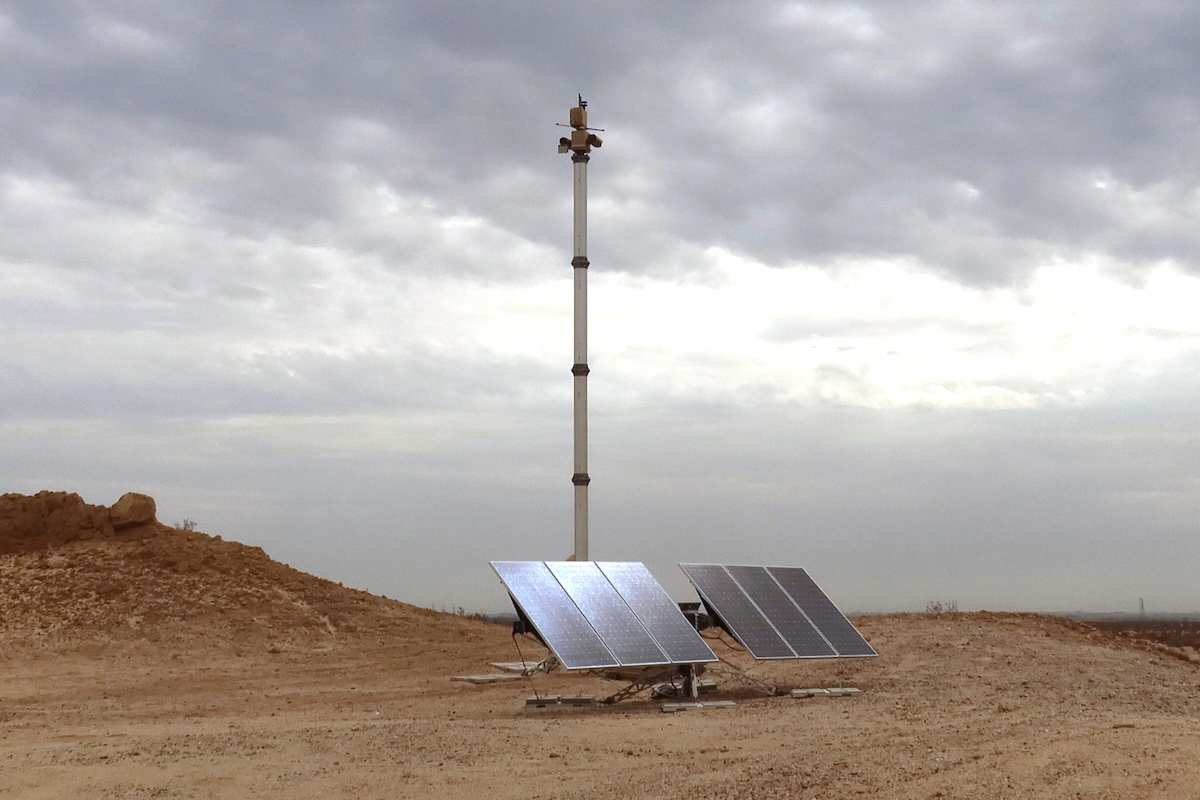
The U.S. Department of Homeland Security (DHS) is set to nearly triple its border surveillance infrastructure, with plans to expand from 830 to 2,300 surveillance towers along the nation’s borders by 2034. The expansion, costing over $1 billion in taxpayer funds, is part of the Customs and Border Protection’s (CBP) Integrated Surveillance Tower (IST) program, which uses AI-based systems, radar, thermal imaging, and optical surveillance to monitor individuals and vehicles across vast distances. The announcement, detailed in a Government Accountability Office (GAO) report, raises concerns about privacy and civil liberties for residents, businesses, and travelers in border regions.
The IST program includes autonomous surveillance towers capable of tracking movement in remote areas, fixed towers optimized for monitoring foot traffic and vehicles, and remote video surveillance systems deployed near border fencing in states like Arizona. These systems operate in both urban and rural settings, including residential neighborhoods where cameras may capture activity on both sides of the U.S.-Mexico border. The $1 billion funding comes from the One Big Beautiful Act, a major tax and spending law signed by President Trump in 2025, according to the report.
Critics, including the Electronic Frontier Foundation (EFF), argue that the expansion represents a significant escalation in border surveillance, extending beyond federal agencies to involve state and local law enforcement, as well as Mexican authorities. The EFF has documented the growing network of surveillance technologies, including drones, aerostats, ground sensors, and license plate readers, which collectively form a vast, taxpayer-funded infrastructure. Since 2022, the EFF has conducted research, published findings, and created interactive tools—such as maps and guides—to expose and analyze the impact of these technologies on border communities.
The EFF’s work highlights concerns about the indiscriminate collection of data, searches of electronic devices, and the use of biometric and social media identifiers at border crossings. Their updated guide, “Surveillance Technology at the U.S.-Mexico Border,” provides resources for researchers and journalists to better understand the machinery of homeland security, including newly deployed military tech and disguised surveillance cameras. The organization also offers digital security guidance for individuals crossing borders, aiming to protect privacy and civil liberties in the face of expanding surveillance.
As the surveillance network grows, the EFF has vowed to continue investigating and exposing these technologies while collaborating with affected communities to challenge what they describe as a threat to human rights. The expansion underscores broader debates about security, privacy, and the balance between border enforcement and individual freedoms in the United States.
#BorderSurveillance #DHS #CBP #ISTProgram #USMexicoBorder #SurveillanceTech #PrivacyRights #EFF
Comments (0)
No comments yet — be the first to weigh in.

Energy biz SSE smacked around in court by a guy and AI
An Oxford doctoral student has defeated British energy provider SSE Energy Supply in court after utilizing artificial intelligence models to build his legal def...
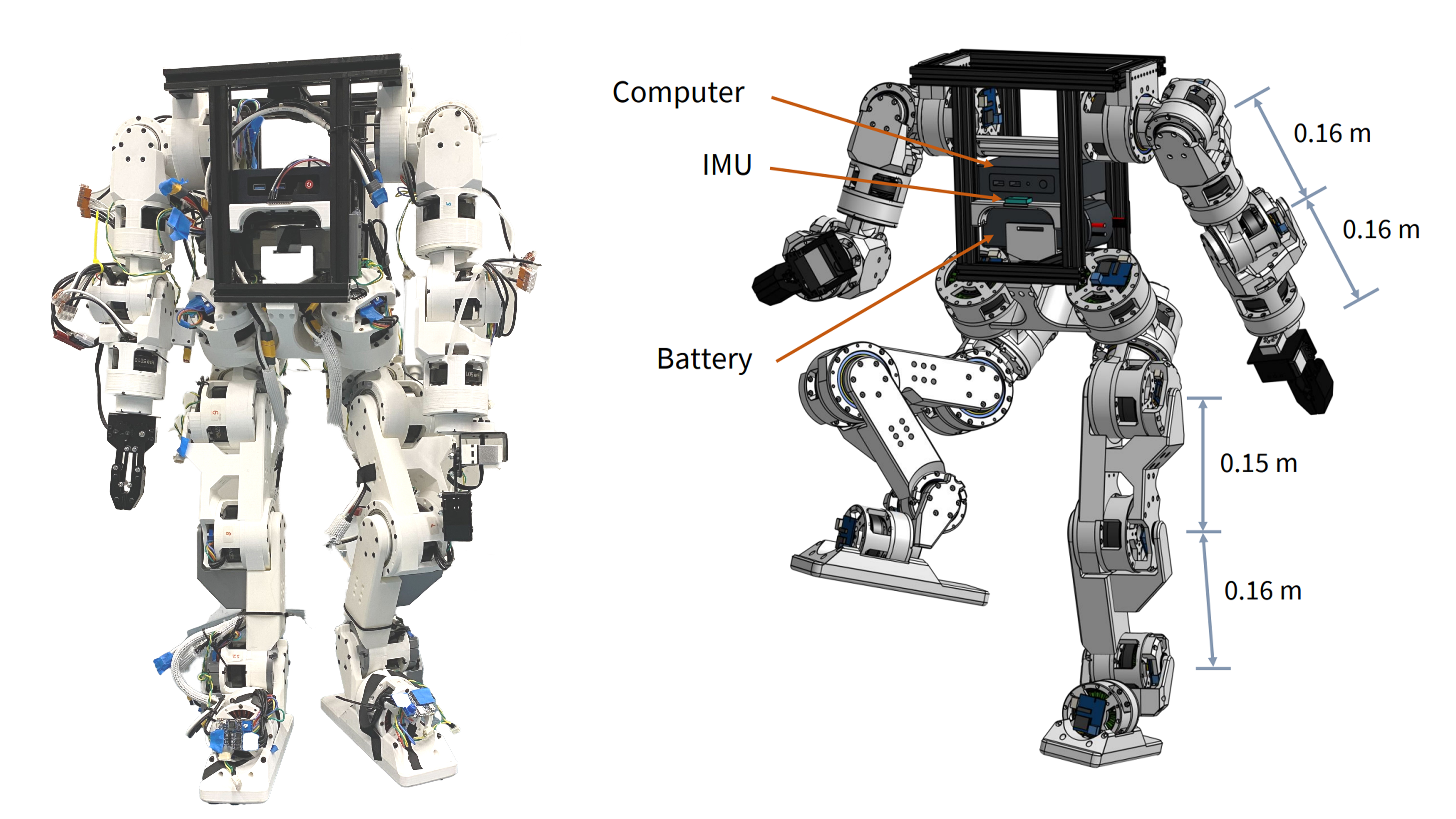
Berkeley Humanoid Lite: Affordable Open-Source Robot with DIY Actuators
Explore the Berkeley Humanoid Lite, a budget-friendly open-source robot featuring 3D-printed actuators under $5,000 USD. Learn how its modular design benefits DIY projects.

Woodstove Safety Monitor: Oru System Alerts Users to Temperature Fluctuations
Discover how the Oru woodstove assistant helps prevent dangerous chimney fires by monitoring exhaust gas temperatures and alerting users to temperature changes.
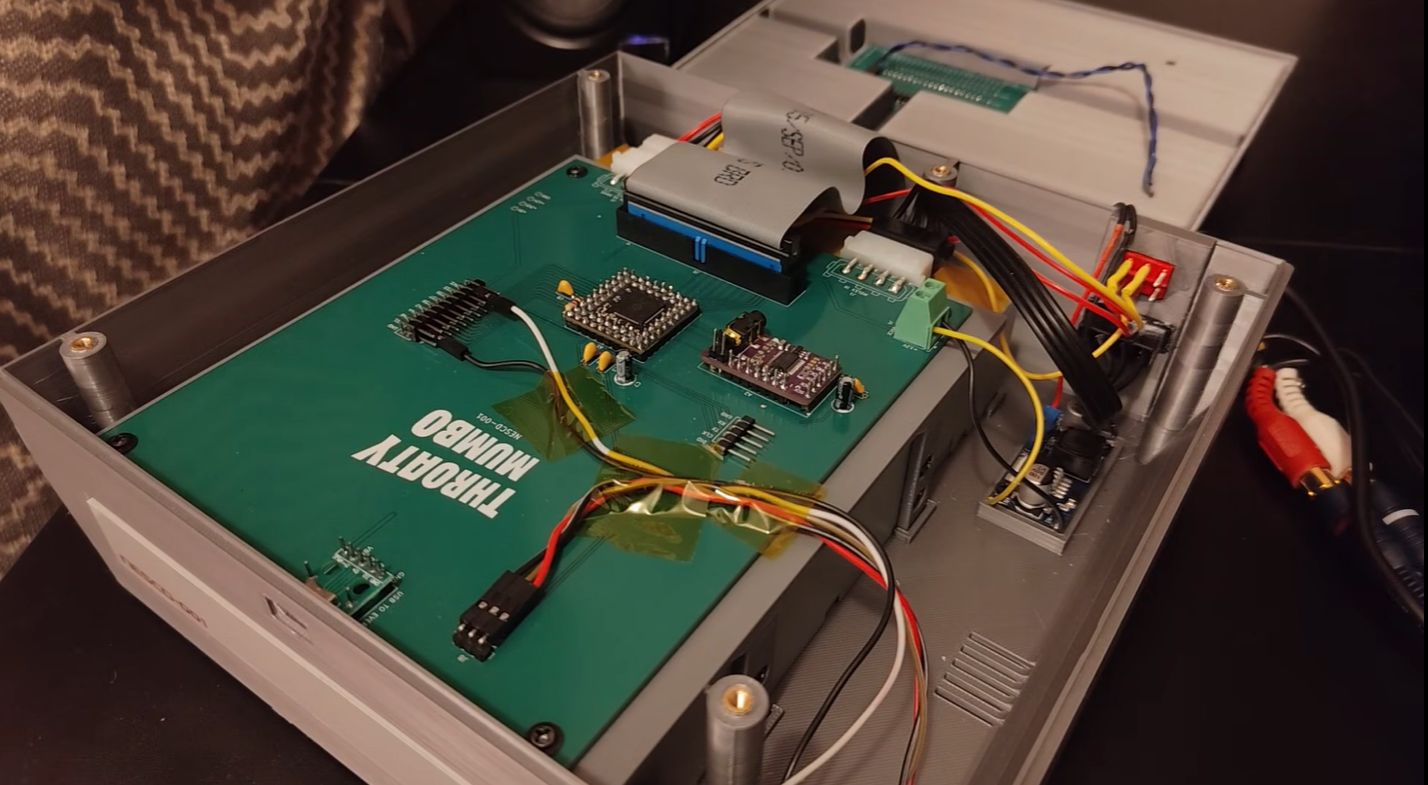
NES CD Add-On Revives 1980s Gaming with Optical Storage
Explore how a DIY project integrates a CD drive with the NES using an RP2350B microcontroller and Everdrive N8 Pro for expanded storage and audio playback.

Mumbai’s Vile Parle Cypher is giving unheard rappers a voice

Enrich and Ultimo impress

Karnataka CM Signals Review of 5% Park Land Amendment Bill in Assembly

