US Clears Mines from Strait of Hormuz, Warns Iran Against New Placements
US President Donald Trump announced the removal of mines from the Strait of Hormuz, a critical oil transit route. Iran has not commented, and tensions persist amid new sanctions and collapsed ceasefire talks.

US President Donald Trump announced on his Truth Social platform that the US Navy has cleared or detonated all mines in the Strait of Hormuz, a critical waterway for global oil and liquefied natural gas transit. The strait, which Iran has largely closed since the onset of the Middle East conflict in late February, has seen significant disruptions in maritime traffic.
Trump stated, "Iran has been notified that any ship or boat placing new mines will be immediately and systematically destroyed." However, Iran has not yet responded to these claims.
The closure of the Strait of Hormuz, through which approximately 20% of the world's oil and liquefied natural gas passed before the war, has caused significant fluctuations in global oil prices. The conflict began with US and Israeli airstrikes against Iran, prompting Iran to retaliate by closing the strait and targeting vessels it claimed entered without permission, as well as US bases and Arab Gulf allies.
Despite previous ceasefire efforts, talks have collapsed, leading to intermittent exchanges of fire between the US and Iran. In response, the US has imposed new economic sanctions on Iran. US Treasury Secretary Scott Bessent warned that any nation engaging in financial partnerships with Iran would face isolation.
A June memorandum of understanding (MoU) between Iran and the US, which set a 60-day deadline to reach a deal on the Strait of Hormuz before addressing nuclear concerns, has expired without an agreement. The US sanctions are intended to pressure Iran into compliance, with Trump suggesting they could lead to the collapse of the Iranian regime.
Iran, however, has stated it is prepared for further sanctions, with Economy Minister Ali Madanizadeh calling them a "defeat" for the US. Iran's economy has already suffered due to the war and a US-imposed blockade of Iranian ports.
China, the largest buyer of Iranian oil, has criticized the US sanctions as "illegal unilateral sanctions" and vowed to take measures to protect its interests. The announcement comes ahead of planned talks between Trump and Chinese President Xi Jinping next month, adding complexity to the geopolitical landscape.
Iran has indicated it seeks full control of the Strait of Hormuz, a stance opposed by the US and other nations that view the waterway as international waters. Recent negotiations between Iran and Oman, a US ally, aim to establish a temporary shipping corridor, but no permanent solution has been reached.
Iranian Deputy Foreign Minister Kazem Gharibabad stated that ships would pass through Iranian waters under a new framework, with military vessels barred and only commercial vessels permitted. The corridor is described as temporary, with negotiations for a permanent route set to begin within 60 days. Gharibabad warned that if Iran's requests are not met, the strait will remain closed.
Comments (0)
No comments yet — be the first to weigh in.

Israel's 2.6M Students Return to School Amid Education Reforms and Protests
Israel's 2.6 million students resume classes as the Education Ministry introduces financial literacy and AI reforms, amid teacher shortages and protests over militarization.

Earth's magnetic field can help archaeologists sniff out forged antiquities
Researchers at the University of California San Diego have developed a new method using Earth's magnetic field to help archaeologists distinguish between a...

US, Israel, and Palestine to Hold Three Elections in 32 Days – Global Stakes
Three key elections – U.S., Israel, and Palestine – will take place from Oct. 27 to Nov. 28, shaping domestic politics and international ties.
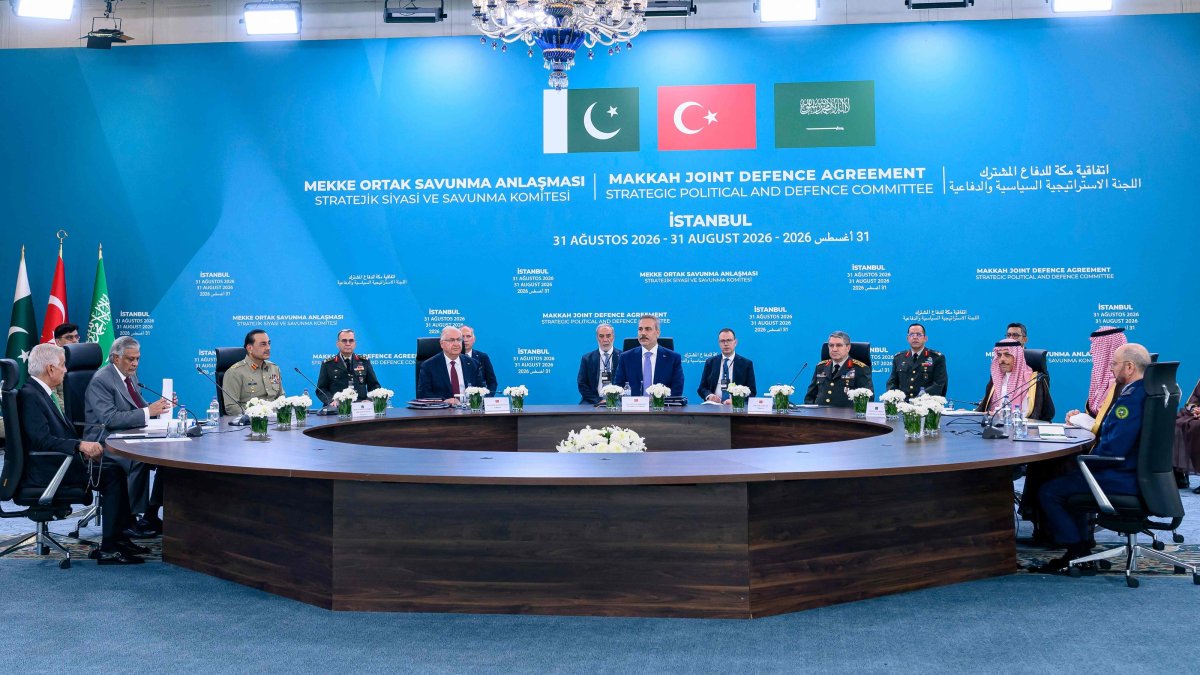
Türkiye, Pakistan, Saudi Arabia deepen joint defense framework
Türkiye, Pakistan and Saudi Arabia have agreed to deepen their defense partnership under the Mecca Agreement, taking new steps to strengthen collective deterren...

Mumbai’s Vile Parle Cypher is giving unheard rappers a voice

Enrich and Ultimo impress

Karnataka CM Signals Review of 5% Park Land Amendment Bill in Assembly

