US Imposes Secondary Sanctions on Egyptian Bank’s UAE Branches for Iran Ties
The U.S. Treasury announced secondary sanctions on Banque Misr’s UAE branches for Iran ties, cutting dollar access and adding a Hong Kong entity to the list.
The U.S. Department of the Treasury announced its first secondary sanctions targeting foreign financial institutions for their dealings with Iran on Friday, imposing restrictions on the United Arab Emirates branches of Egypt’s Banque Misr.
According to a Treasury statement, the sanctions block the UAE branches of Banque Misr from accessing the U.S. financial system and prohibit dollar-denominated transactions. The move follows a broader U.S. campaign to sever Iran’s economic ties, though it comes amid uncertainty over whether similar penalties may be applied to China over its trade with Tehran.
Treasury Secretary Scott Bessent emphasized the administration’s commitment to isolating Iran, stating, “We warned that Iran’s enablers cannot continue to enjoy access to the U.S. dollar and the global financial system. Banque Misr UAE decided to find out the hard way and, today, we are taking the first step in holding it accountable for its continued, egregious support of the Iranian regime.”
In addition to Banque Misr’s UAE branches, the Treasury sanctioned a financial entity in Hong Kong and an individual linked to Iran’s Bank Melli, alleging involvement in money laundering for a sanctioned Iranian exchange house.
Egypt’s central bank clarified that the sanctions only affect Banque Misr’s UAE branches, not its operations in Cairo or other international locations, including Paris, Frankfurt, Riyadh, Beirut, and Djibouti. The Central Bank of Egypt stated it is in contact with U.S. authorities regarding the measures.
The announcement follows President Trump’s pledge to impose “tremendous economic consequences” on any country facilitating Iran’s trade, including in sectors such as digital assets, technology, gold, aviation, and shipping. However, it remains unclear whether the U.S. will directly penalize China, a major oil buyer from Iran, despite warnings of potential repercussions.
Analysts note that while the sanctions mark a significant escalation in U.S. economic pressure on Iran, their scope appears limited in this initial phase, targeting specific branches rather than entire institutions. Egypt, a long-standing U.S. ally and recipient of substantial American aid, has historically aligned closely with Washington’s foreign policy objectives.
The Treasury’s action underscores the administration’s strategy of leveraging secondary sanctions to disrupt Iran’s financial networks, though the effectiveness of these measures—and their broader geopolitical implications—remains to be seen.
Comments (0)
No comments yet — be the first to weigh in.

Free School Uniform Swap Shop Saves Welsh Families £50m Annually
A Cardiff father's school uniform swap shop initiative has grown to 200 schools, helping Welsh families save £50m yearly while promoting sustainability and reducing clothing waste.

Poland, US Explore Permanent Military Bases: Defense Talks Underway
Poland and the US are discussing permanent American military bases in Poland, focusing on defense capabilities rather than troop numbers. Nuclear warheads are not part of the plans.
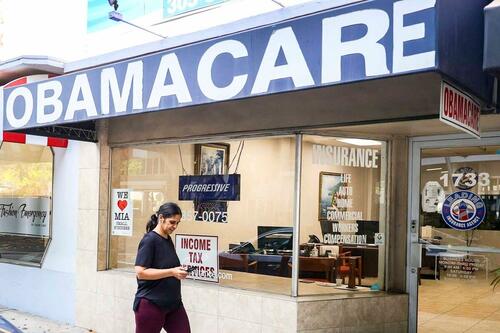
Taxpayers Lost $65B to Obamacare Fraud in 2024; Feds Crack Down
A Paragon Health Institute report reveals $65 billion in taxpayer losses due to Obamacare and Medicaid fraud in 2024, with improper enrollments rising in 2025.
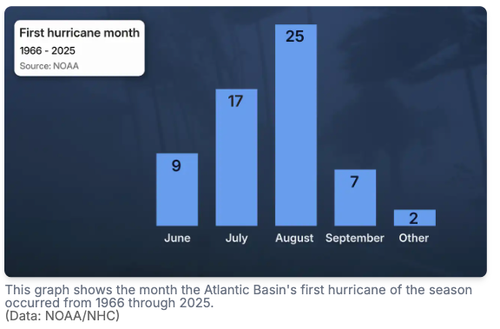
El Niño Delaying 2026 Atlantic Hurricane Season as Dolly Nears Florida
El Niño's wind shear suppresses 2026 Atlantic hurricane activity, delaying first hurricane as Tropical Storm Dolly's remnants approach Florida and the Caribbean.

Mumbai’s Vile Parle Cypher is giving unheard rappers a voice

Enrich and Ultimo impress

Karnataka CM Signals Review of 5% Park Land Amendment Bill in Assembly

