US Revives Prize Courts to Convert Captured Iranian Oil into Treasury Revenue
The U.S. is reintroducing dormant prize law to quickly sell seized Iranian oil, boosting Treasury revenue and tightening sanctions amid the Gulf blockade.
The U.S. government is considering reviving an old maritime legal tool—prize courts—to handle Iranian oil and ships seized under its blockade, according to Bloomberg. The Justice Department and Pentagon are exploring whether prize law, which historically allowed courts to determine ownership of vessels captured during armed conflict, could provide a faster way to process these cases. The move comes as the U.S. seeks new ways to increase economic pressure on Iran, with Washington already intercepting Iranian-linked vessels since imposing a blockade in April.
Prize law has not been actively used in the U.S. since World War II, making this a significant shift in legal strategy. Unlike civil forfeiture, which can drag on with competing claims from shipping companies, creditors, or terrorism victims, prize proceedings aim to streamline the process. The Southern District of Texas in Houston is being eyed as a key venue due to its proximity to major ports and petrochemical infrastructure, allowing for efficient storage and sale of seized oil. U.S. Attorney Aaron Reitz, who is working with DOJ officials, described prize courts as an "ancient body of maritime law" that is now being revived.
The administration sees this approach as both practical and strategic. By treating the blockade as a wartime measure rather than just another sanctions regime, the U.S. could signal its seriousness to Iran while also disrupting neutral vessels transporting goods Washington deems linked to Tehran. The financial stakes are high—seized oil could be sold quickly, with proceeds going to the U.S. Treasury, while simultaneously cutting off revenue to Iran.
However, there are significant legal and practical hurdles. Maritime attorney Allison Luzwick noted that prize law has not been tested in modern times, raising questions about whether current conflicts meet the legal threshold for its use. Federal judges, prosecutors, and the Navy lack recent experience with such cases, meaning procedures would need to be reconstructed for today’s shipping and warfare realities. Shipowners and other claimants are also expected to challenge seizures, potentially leading to prolonged litigation.
Geopolitical risks add another layer of complexity. Critics warn that normalizing prize law could set a precedent that future adversaries—such as China—might exploit to justify seizing American or neutral vessels in future conflicts. Legal experts emphasize that the success of this effort depends on whether courts accept the administration’s interpretation of the current conflict as warranting prize authority.
The proposal represents a bold but untested strategy for Washington to tighten economic pressure on Iran while generating revenue from seized assets. If implemented, it would revive a long-dormant wartime legal framework, reshaping how the U.S. handles maritime seizures in modern conflicts.
#IranOil #PrizeCourts #USMaritimeLaw #SanctionsEnforcement #HoustonLegal #IranEconomicPressure #MaritimeSeizures #DOJLegalStrategy
Comments (0)
No comments yet — be the first to weigh in.

Free School Uniform Swap Shop Saves Welsh Families £50m Annually
A Cardiff father's school uniform swap shop initiative has grown to 200 schools, helping Welsh families save £50m yearly while promoting sustainability and reducing clothing waste.

Poland, US Explore Permanent Military Bases: Defense Talks Underway
Poland and the US are discussing permanent American military bases in Poland, focusing on defense capabilities rather than troop numbers. Nuclear warheads are not part of the plans.

Taxpayers Lost $65B to Obamacare Fraud in 2024; Feds Crack Down
A Paragon Health Institute report reveals $65 billion in taxpayer losses due to Obamacare and Medicaid fraud in 2024, with improper enrollments rising in 2025.
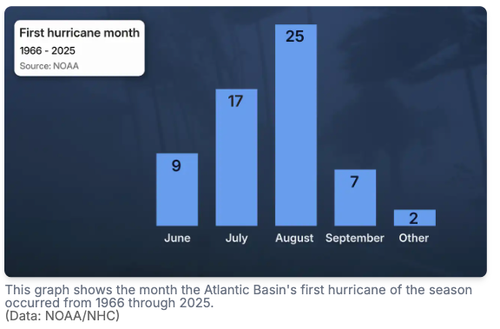
El Niño Delaying 2026 Atlantic Hurricane Season as Dolly Nears Florida
El Niño's wind shear suppresses 2026 Atlantic hurricane activity, delaying first hurricane as Tropical Storm Dolly's remnants approach Florida and the Caribbean.

Mumbai’s Vile Parle Cypher is giving unheard rappers a voice

Enrich and Ultimo impress

Karnataka CM Signals Review of 5% Park Land Amendment Bill in Assembly

