US Threatens New Iran Sanctions Targeting China and Allies: Analysis
The US administration announced plans to expand Iran sanctions, risking tensions with China and other top trading partners. Experts warn of limited impact on Iran and potential global financial consequences.
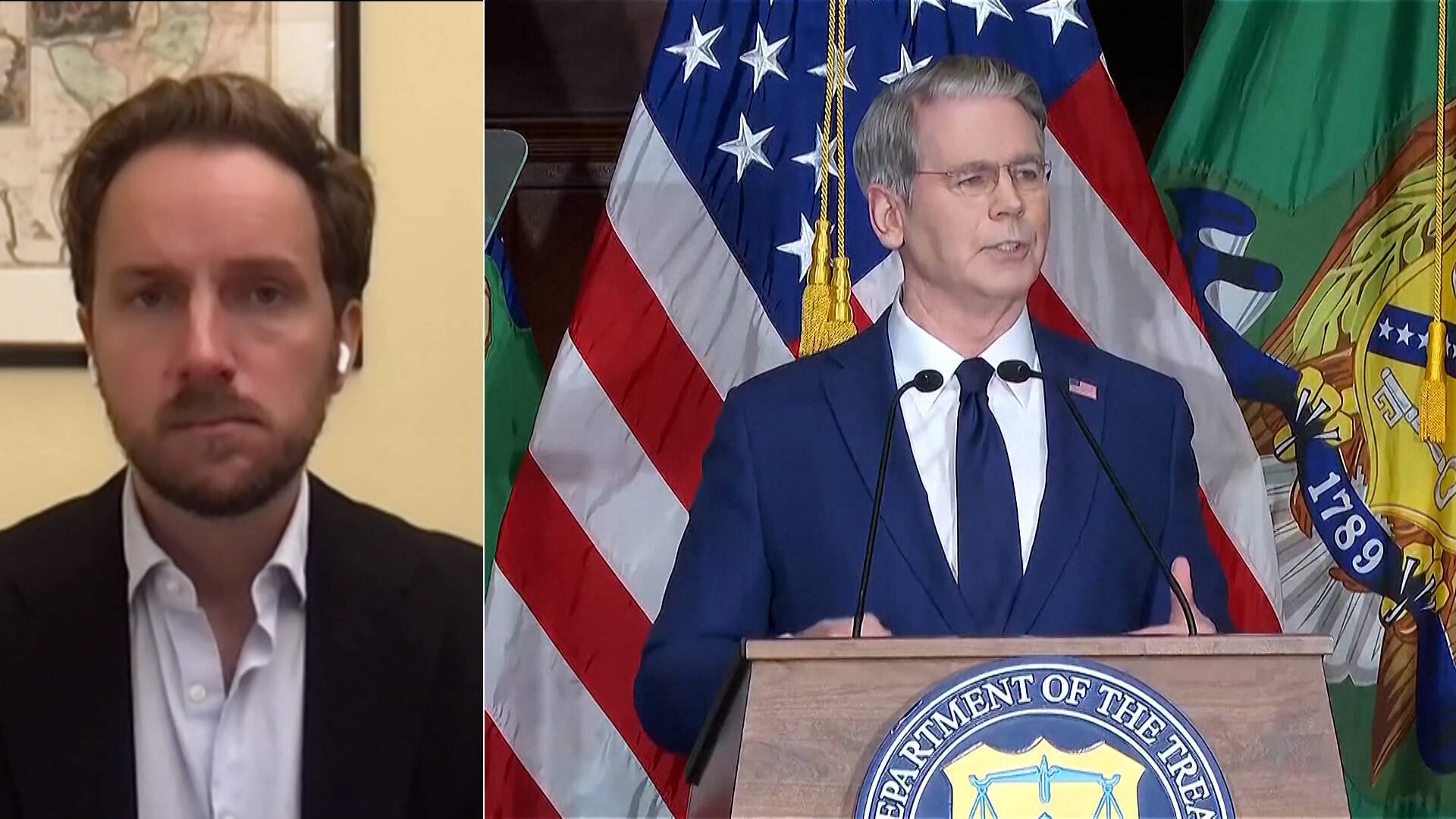
The Trump administration has unveiled a new plan to intensify economic pressure on Iran, targeting not only Tehran but also its key trading partners, including China. Treasury Secretary Scott Bessent announced “Operation Economic Outcast,” which expands secondary sanctions on sectors such as oil, shipping, cryptocurrency, gold, and aviation. The move signals a potential escalation in U.S.-Iran tensions and raises concerns about its impact on U.S.-China relations.
Bessent outlined the initiative during a press briefing, framing it as a comprehensive effort to cut off financial flows to Iran’s Islamic Revolutionary Guard Corps (IRGC). He warned that countries and businesses enabling Iranian trade could face exclusion from the U.S. financial system. However, the announcement lacked specific enforcement timelines or designated targets, leaving many details unclear. When pressed by reporters, Bessent emphasized giving trading partners an opportunity to comply before imposing penalties.
Iran has responded defiantly. Economy Minister Seyed Ali Madanizadeh accused the U.S. of waging “economic terrorism” and vowed a strong, potentially retaliatory response. He suggested that Iran would not limit itself to defensive measures and predicted that many countries would reject the new sanctions. Earlier this month, both China and Russia publicly opposed the U.S. measures, signaling broader international resistance.
Sanctions expert Nicholas Mulder, an associate professor of history at Cornell University and author of *The Economic Weapon: The Rise of Sanctions as a Tool of Modern War*, characterized the announcement as largely rhetorical. He noted that Iran is already under heavy pressure from existing U.S. sanctions, including a naval blockade imposed in June. Mulder argued that the new measures—such as bans on remittances and academic exchanges—are symbolic and unlikely to significantly weaken the Iranian government, instead harming ordinary citizens.
The most consequential aspect of the plan may be its attempt to compel third countries to curtail trade with Iran. China, Iran’s largest trading partner and purchaser of over 80% of its oil, has already signaled its refusal to comply. Chinese officials have stated they will protect domestic firms from U.S. sanctions, and recent court rulings have even penalized companies that abide by American restrictions. This defiance reflects growing tensions in U.S.-China economic relations, which remain fragile despite a nominal trade truce.
Mulder warned that aggressive enforcement of secondary sanctions against major Chinese financial institutions—several of which rank among the world’s largest banks—could further destabilize U.S.-China relations. He pointed to recent tit-for-tat measures, including tariffs and export controls, as evidence of a deteriorating truce. The proposed sanctions on Iran could push this dynamic toward a more open confrontation.
While the immediate impact of the new measures on Iran’s economy may be limited, the broader diplomatic and geopolitical stakes are high. The U.S. appears to be leveraging economic coercion not only to isolate Iran but also to test the limits of its influence over global trade partners, particularly China. How Beijing and other countries respond will determine whether this latest escalation leads to a deeper economic conflict or remains largely symbolic.
#IranSanctions #USChinaTrade #TreasuryDepartment #ScottBessent #EconomicWarfare #ChinaIranTrade #IRGCTargeted #GlobalEconomicTensions
Comments (0)
No comments yet — be the first to weigh in.

Middlesbrough's Crime Crisis: Decades of Failed Policies Unleash Chaos
Former Middlesbrough mayor Andy Preston blames decades of lenient crime policies for the town's recent surge in gang violence and lawlessness.

Google Maps Renames Lake Ontario to 'Lake America' Following Trump Order
Google Maps now displays 'Lake America' in the US, replacing 'Lake Ontario' after Trump's executive order amid trade tensions with Canada. Canadians still see the original name.

Pentagon Warns Pentagon Chiefs: Iran War Unsustainable, Threatens U.S. Readiness
Classified assessment reveals Pentagon chiefs warn Defense Secretary Pete Hegseth that the Iran war is unsustainable and drains U.S. military resources and readiness.

Mike Rogers Proposes $50 Copays for Routine Health Screenings, Critics Warn of Risks
Former Congressman Mike Rogers suggests $50 copays for routine screenings, sparking debate over healthcare costs and access. Critics highlight potential risks.

Mumbai’s Vile Parle Cypher is giving unheard rappers a voice

Enrich and Ultimo impress

Karnataka CM Signals Review of 5% Park Land Amendment Bill in Assembly

