USS Abraham Lincoln Sailors Face Extreme Neglect After Record Deployment
Sailors aboard the USS Abraham Lincoln endure record-long deployment with food shortages and poor leadership, sparking concerns over military personnel neglect and systemic failures.
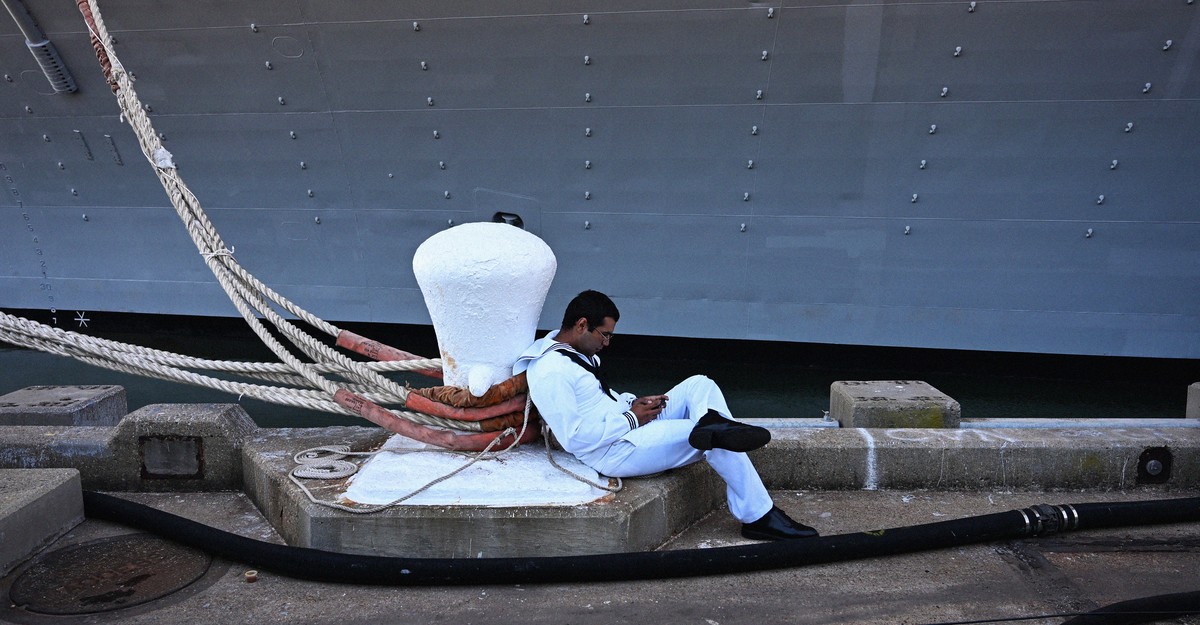
The USS Abraham Lincoln, a Nimitz-class aircraft carrier homeported in San Diego, has completed one of the Navy’s longest deployments in recent history—more than 240 consecutive days at sea. Scheduled to return in May, the carrier remains deployed with nearly 5,000 sailors and Marines aboard, many of whom have endured sustained combat operations and repeated extensions. Despite being within sight of land during a brief port call last month, crew members were not permitted to disembark, leaving them at sea with limited access to food, hygiene supplies, and mail.
The extended deployment of the USS Abraham Lincoln reflects broader systemic challenges within the U.S. military, particularly in leadership and support for service members. In a recent opinion piece, a former acting director of force resiliency at the Department of the Navy highlighted how the treatment of sailors aboard the Lincoln contradicts the promises made by President Abraham Lincoln in his second inaugural address, which pledged care for those who have “borne the battle.” The author, a Navy veteran who served from 2021 to 2023, emphasized that the current crisis on the Lincoln is not an isolated incident but part of a pattern of neglect and disrespect toward military personnel.
The challenges faced by the Lincoln’s crew were compounded by logistical disruptions beginning as early as February, when a U.S. base in Bahrain was damaged in an Iranian airstrike. Resupply efforts were redirected to Diego Garcia, an island in the Indian Ocean located 2,200 miles from typical carrier operations. Despite months of advance notice, the Department of Defense has been criticized for failing to adequately plan for the prolonged conflict, leaving sailors without reliable access to essential supplies.
Leadership decisions at the highest levels have also come under scrutiny. Secretary of Defense Pete Hegseth has blocked the promotions of nearly 20 admirals this year, including Rear Admiral Amy Bauernschmidt, the first woman to command an aircraft carrier, who led the USS Abraham Lincoln from 2021 to 2023. The blocked promotions disproportionately affected women and people of color, raising concerns about systemic barriers within the Navy’s leadership pipeline. For the first time in over a decade, no active-duty woman is expected to be promoted to admiral this year, a situation that officials have framed as a “woman problem” rather than a broader leadership crisis.
Public statements from Pentagon leadership have further fueled frustration among sailors and their families. Pentagon spokesperson Sean Parnell dismissed concerns about the deployment as a “false narrative,” while Hegseth criticized media coverage as “reckless & shameless.” The Defense Department’s rapid-response communications strategy included social media posts highlighting ice cream availability aboard the ship, a move widely seen as tone-deaf given the crew’s reported shortages. President Donald Trump publicly suggested in June that the deployment had not lasted long enough.
The toll of prolonged deployments extends beyond physical strain. Many sailors will face psychological and emotional challenges upon returning home, especially given the lack of structured post-deployment support within the Navy. Unlike SEAL teams, which have a designated cooldown period, most sailors rely on the discretion of their immediate commands for recovery time and access to mental health services. For many, symptoms of trauma may not surface until years after deployment, as was the case for the author, who experienced delayed-onset PTSD after leaving active duty.
Compounding these issues, the Department of Veterans Affairs (VA) has faced significant reductions in staffing and resources under the current administration. Nearly 30,000 VA positions were eliminated last year, and reports indicate that some medical centers have implemented policies limiting therapy to as few as eight sessions—far below clinical recommendations. The VA has also lost over 1,200 mental health providers since 2021, even as demand for services continues to rise.
As the USS Abraham Lincoln prepares to return to its new home port in Bremerton, Washington, the long-term well-being of its crew remains uncertain. The Navy’s ability to support its sailors through the transition—and beyond—will depend on meaningful reforms in leadership, logistics, and veteran care.
#USSAbrahamLincoln #MilitaryDeployments #NavyLeadership #VeteransAffairs #PeteHegseth #MilitaryMentalHealth #USNavy #SeaDuty
Comments (0)
No comments yet — be the first to weigh in.

Global AI Risks Demand International Safeguards, Experts Warn
Experts urge coordinated global action to prevent AI-driven disasters, highlighting systemic risks beyond dramatic 'AI takeover' scenarios.

French Sundays: The Secret to Guilt‑Free Relaxation and Happiness
Explore how France’s closed‑store Sundays foster family time, slow meals, and guilt‑free leisure—an antidote to modern hustle and a lesson for happier living.

Global rare earth supply chains: Why securing essential minerals is critical
China dominates rare earth mining and processing, prompting global supply chain concerns. Explore the geopolitical and economic risks and emerging solutions.

Germany's far-right AfD gains ground: Why mainstream parties must act now
Germany's AfD nears power in state elections as economic discontent fuels far-right growth. Mainstream parties face calls for bolder responses to counter rising extremism.

Mumbai’s Vile Parle Cypher is giving unheard rappers a voice

Enrich and Ultimo impress

Karnataka CM Signals Review of 5% Park Land Amendment Bill in Assembly

