Venezuela’s Hidden AI Data Workforce: Exploitation and Poverty Wages
A Yale study reveals how Venezuelans earn pennies training AI algorithms amid hyperinflation and pandemic job losses. Workers face surveillance and total invisibility.
Venezuela's Hidden Workforce Powers AI Algorithms for Pennies, Study Finds
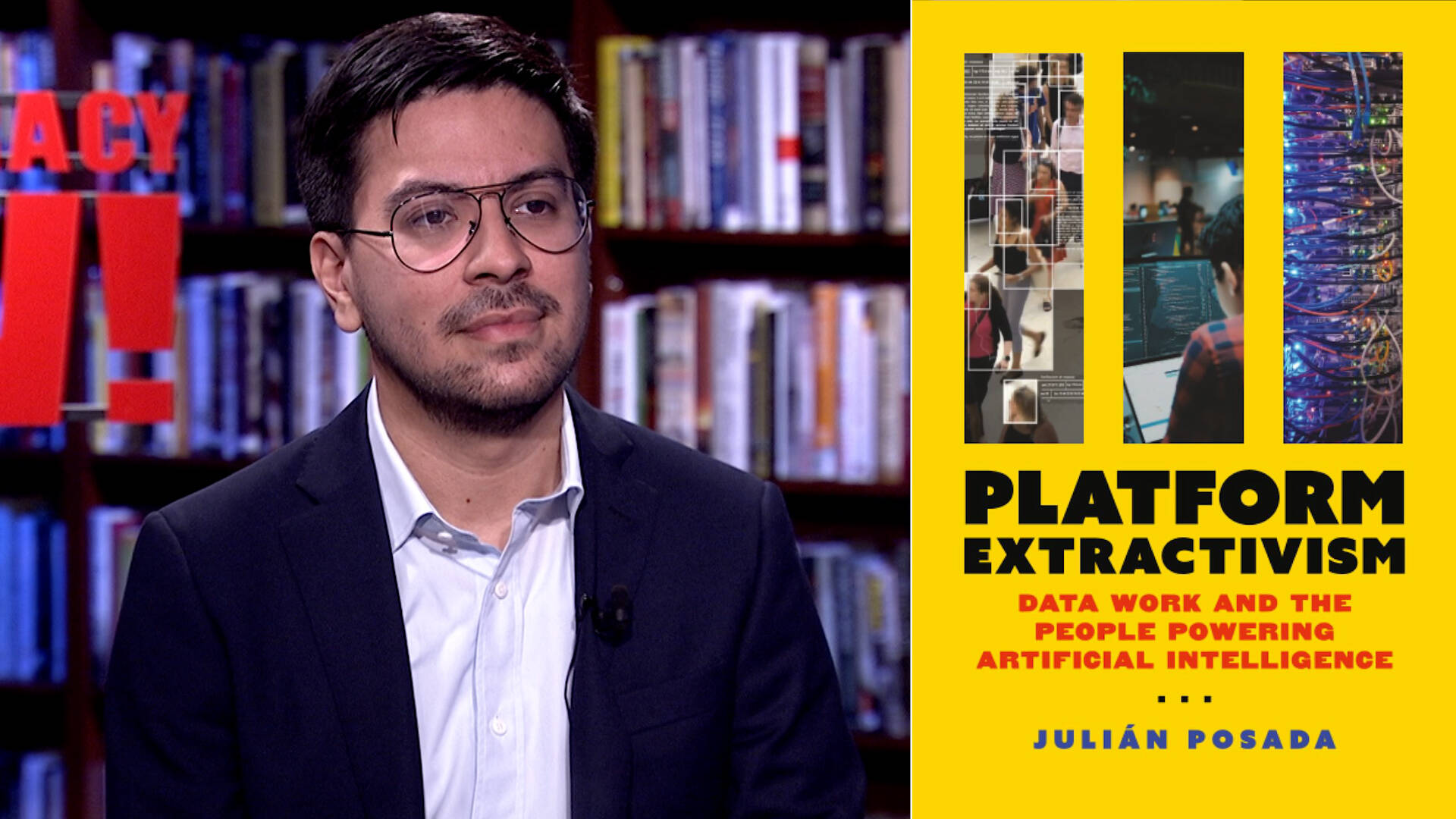
CARACAS, Venezuela — A significant portion of the global workforce powering artificial intelligence algorithms during the COVID-19 pandemic consisted of Venezuelans earning as little as 50 cents per hour, often unaware of the end use of their labor, according to a forthcoming book by Yale University professor Julián Posada.
In *Platform Extractivism: Data Work and the People Powering Artificial Intelligence*, Posada examines the experiences of data workers in Venezuela, where hyperinflation and economic collapse pushed many into precarious digital labor. The study, based on extensive fieldwork conducted during the pandemic, highlights how whole communities became dependent on data work for survival.
Posada identifies three key factors behind Venezuela's prominence in this hidden workforce: severe economic conditions, government-developed infrastructure, and strong family networks. Since 2014, Venezuela has faced hyperinflation and high unemployment, which worsened with pandemic lockdowns. Many workers used family-owned computers built during the Hugo Chávez era, while extended households supported their labor through shared resources.
"Workers really depended on their families," Posada explains. "During the pandemic, when many lost employment, entire households supported the data worker through activities like feeding them or helping with chores. The family, and even neighbors, revolved around this work."
Salaries were meager. Some platforms paid workers per hour—50 cents per hour on platforms like Remotasks—while others used piecework rates, with earnings of $2 to $5 per week due to hyperinflation. Some workers masked their IP addresses using VPNs to secure higher pay rates, further obscuring their true location and identity.
The invisibility extended beyond pay. Workers typically did not know which tech companies or projects they were contributing to. Posada recounts a worker who labeled images of roofs and bridges in remote areas, speculating it might relate to a military application, but with no confirmation.
Monitoring was algorithmic. Workers logged into platforms via browsers, where managerial algorithms controlled workflows. Timers tracked task duration, accuracy was repeatedly tested, and tasks were duplicated to detect "spamming," with bans imposed for inconsistency. "The algorithm here is the manager," Posada states. "It controlled every aspect of the work."
Posada conducted extensive interviews with Venezuelan data workers, though most remained anonymous due to the precarious nature of their employment. The study underscores the exploitative dynamics of the global AI supply chain, where vulnerable workers in crisis-stricken regions perform essential but invisible labor for minimal compensation.
Comments (0)
No comments yet — be the first to weigh in.

Middlesbrough's Crime Crisis: Decades of Failed Policies Unleash Chaos
Former Middlesbrough mayor Andy Preston blames decades of lenient crime policies for the town's recent surge in gang violence and lawlessness.

Google Maps Renames Lake Ontario to 'Lake America' Following Trump Order
Google Maps now displays 'Lake America' in the US, replacing 'Lake Ontario' after Trump's executive order amid trade tensions with Canada. Canadians still see the original name.

Pentagon Warns Pentagon Chiefs: Iran War Unsustainable, Threatens U.S. Readiness
Classified assessment reveals Pentagon chiefs warn Defense Secretary Pete Hegseth that the Iran war is unsustainable and drains U.S. military resources and readiness.

Mike Rogers Proposes $50 Copays for Routine Health Screenings, Critics Warn of Risks
Former Congressman Mike Rogers suggests $50 copays for routine screenings, sparking debate over healthcare costs and access. Critics highlight potential risks.

Mumbai’s Vile Parle Cypher is giving unheard rappers a voice

Enrich and Ultimo impress

Karnataka CM Signals Review of 5% Park Land Amendment Bill in Assembly

