VR Therapy Silences 27 Years of Schizophrenia Voices in Groundbreaking Trial
A Copenhagen-led trial found VR therapy significantly reduced persistent auditory hallucinations in schizophrenia patients, offering new hope for millions worldwide.
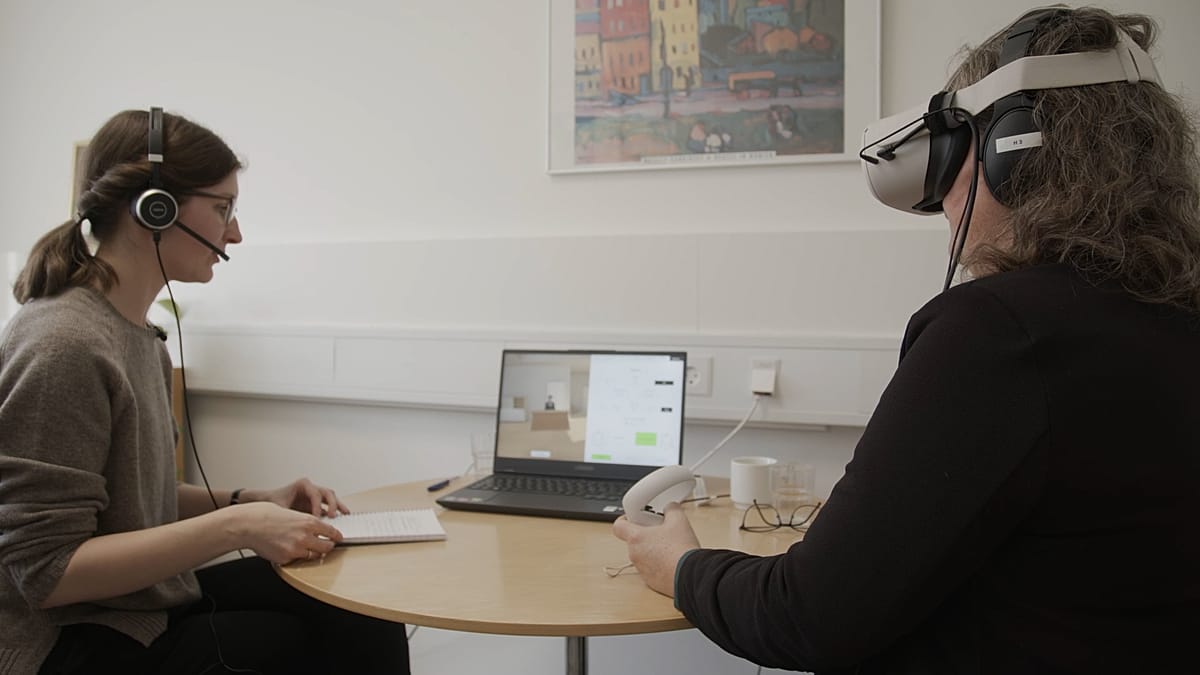
A groundbreaking study has demonstrated the potential of virtual reality therapy in helping patients with schizophrenia reduce persistent auditory hallucinations. In 2020, 53-year-old Vibeke Andersen, who had been diagnosed with paranoid schizophrenia and endured 27 years of distressing voices, participated in an experimental treatment at the VIRTU research group led by Copenhagen University Hospital. The trial, part of the CHALLENGE project, involved 270 participants with schizophrenia-spectrum disorders and found that VR therapy significantly reduced the severity and frequency of voices after 12 weeks, with sustained benefits at 24 weeks.
The treatment involved creating a virtual avatar based on Andersen’s description of the dominant voice she heard. Using VR headsets and voice-modulation software, Andersen engaged in confrontational dialogues with the avatar, ultimately reclaiming control over the voices that had dominated her life. The therapy was initially challenging, with Andersen recalling that therapists even suggested dropping the treatment. However, her persistence paid off. By the final session, the voices had ceased entirely.
Louise Birkedal Glenthøj, head of the VIRTU research group and associate professor at the University of Copenhagen, highlighted the transformative impact of the therapy. “We were very surprised,” she said. “This was a very experimental study. Could it actually work? Was it feasible?” The results, published in *The Lancet Psychiatry* in 2025, confirmed that VR therapy is both safe and tolerable for many patients, though Glenthøj noted that confrontational approaches may not suit everyone. Some patients may experience temporary worsening of symptoms, but the long-term benefits often outweigh the risks.
The VIRTU research program now spans multiple mental health disorders, including eating disorders, social anxiety, autism, and depression. For conditions like eating disorders, avatars represent the critical "eating disorder voice," while other scenarios recreate social situations to address paranoia or anxiety. Glenthøj emphasized the scalability of VR therapy, suggesting that AI could further expand access to treatment. Future developments may include AI-supported virtual therapists accessible via apps, allowing patients to practice coping strategies at home.
Five years after completing the therapy, Andersen remains free of voices and has pursued a new career as a social worker. “I'm free. I'm living my life as I always have dreamt of,” she said. The study underscores the potential of VR therapy not just as a clinical intervention but as a tool for empowerment, helping patients like Andersen regain control over their lives.
#SchizophreniaTreatment #VirtualRealityTherapy #MentalHealthInnovation #CopenhagenUniversityHospital #VIRTUResearch #AuditoryHallucinations #PatientRecovery #MentalHealthAwareness
Comments (0)
No comments yet — be the first to weigh in.

TAP ends first half with almost €100 million loss amid rising fuel costs
Portuguese national airline TAP Air Portugal posted a net loss of 99.2 million euros in the first half of the year, driven largely by surging jet fuel costs lin...
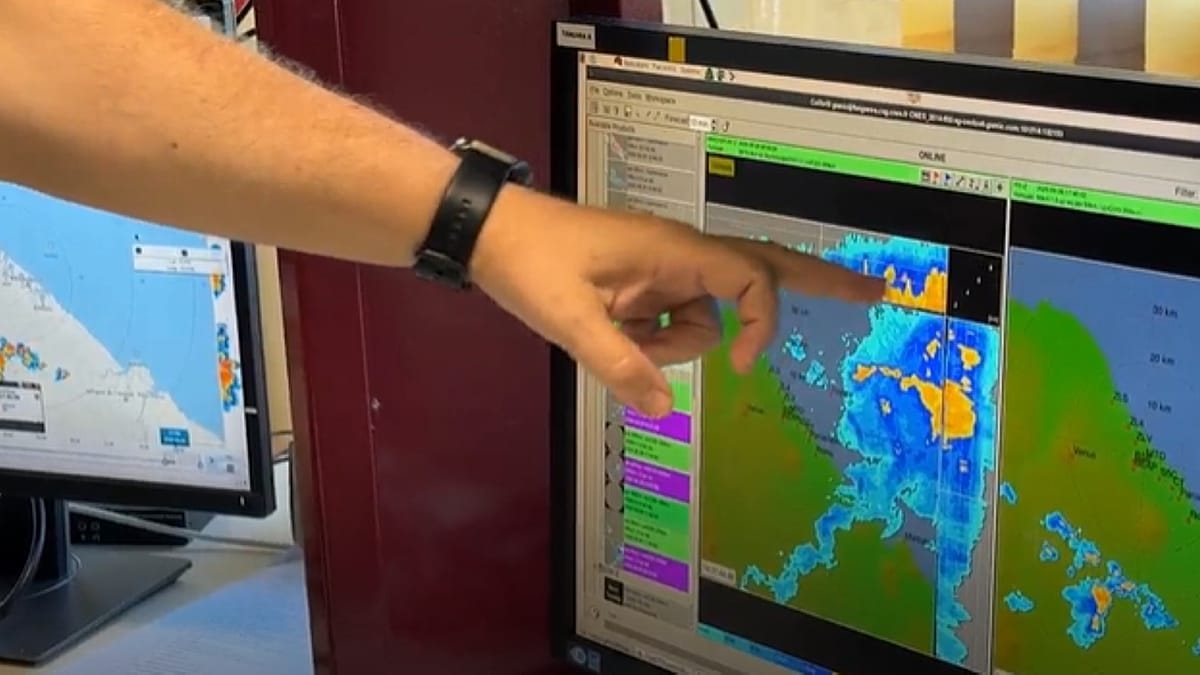
"Never done before": meteorologist on MTG-I2 leap to predict disasters
The European Space Agency and Eumetsat have launched the Meteosat Third Generation Imager-2 (MTG-I2) satellite, marking a significant advancement in weather for...

EU Climate Chief Warns China Dependence Raises Green Transition Costs
EU Climate Chief Wopke Hoekstra warns that Europe's reliance on China for clean energy tech could prolong strategic vulnerabilities and inflate costs during the green transition.

Iran fires retaliatory strikes following US attacks on Larak island in the Strait of Hormuz
US military strikes Iranian targets in Strait of Hormuz, prompting retaliatory Iranian missile attacks on US bases in Jordan The United States launched precisio...

Mumbai’s Vile Parle Cypher is giving unheard rappers a voice

Enrich and Ultimo impress

Karnataka CM Signals Review of 5% Park Land Amendment Bill in Assembly

