We Are Not Prepared for Election-Denying Swing State Governors
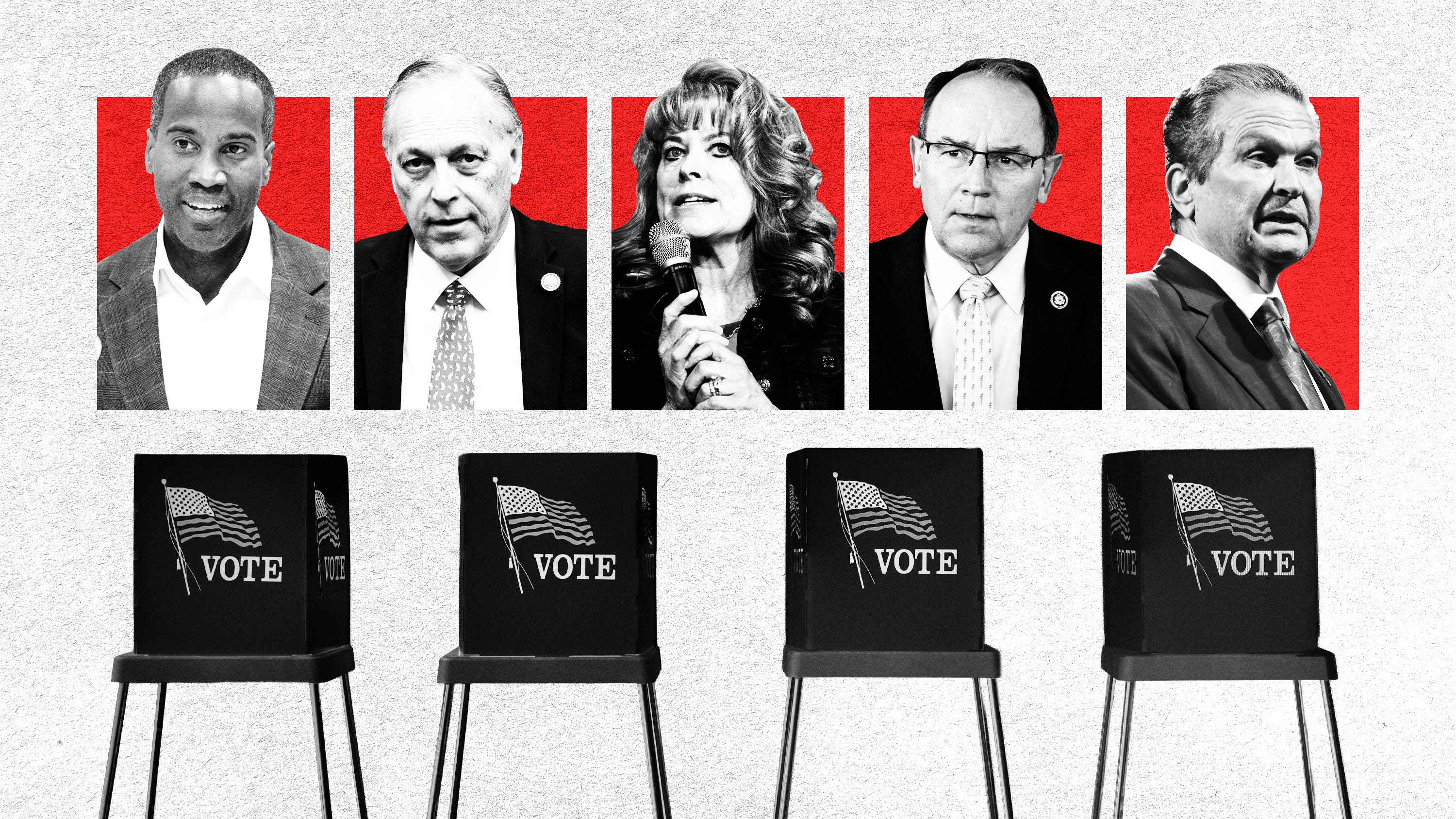
Top election officials in key battleground states warn that Republican gubernatorial candidates who deny or undermine the results of the 2020 presidential election could pose serious threats to electoral integrity when voters return to the polls in 2024 and beyond. Several of these candidates are now leading or competitive in races for state houses that oversee, certify, and administer elections in swing states like Pennsylvania, Arizona, and Michigan.
In Pennsylvania, Republican state Treasurer Stacy Garrity once trailed Democratic Governor Josh Shapiro by double digits in public polling. Her surge in the polls came after a direct appeal to former President Donald Trump. Garrity secured Trump’s endorsement following a single phone call, raising concerns about her commitment to nonpartisan election administration. Recent surveys show Shapiro maintaining a consistent lead, but the race remains a focal point for national observers monitoring the intersection of state governance and election oversight.
Arizona’s gubernatorial contest also features a candidate who played a role in efforts to overturn the 2020 election results. Kari Lake, the Republican nominee and a former news anchor, has repeatedly echoed Trump’s false claims of widespread voter fraud. Lake’s campaign has centered on election denialism, positioning her as a potential overseer of future elections in a state that was central to the 2020 outcome. If elected, she would hold significant authority over election certification processes in Arizona, where state officials have already faced intense scrutiny and legal challenges in recent years.
Michigan presents another high-stakes scenario. Republican gubernatorial candidate Tudor Dixon has questioned the legitimacy of the 2020 election and supported legislative attempts to restrict voting access. Her opponent, incumbent Governor Gretchen Whitmer, has emphasized election security and bipartisan cooperation. The race highlights broader debates over election administration in a state where certification procedures became a flashpoint in 2020.
Experts and voting rights advocates argue that gubernatorial control over election machinery in swing states could create conflicts of interest, particularly if candidates continue to promote baseless claims of fraud. The U.S. Constitution grants state legislatures and governors substantial authority over election procedures, including the certification of results. This structure means that future elections could be influenced by officials who reject established electoral outcomes.
Critics point out that the presence of election deniers atop state executive branches introduces risks to public trust in democratic processes. They warn that if these candidates win, their actions could erode confidence in election infrastructure, even in the absence of credible evidence of wrongdoing.
With less than a year until the 2024 general election, the outcomes in Pennsylvania, Arizona, and Michigan will be closely watched not only for their immediate political consequences but for their long-term implications for election administration nationwide.
#Election2024 #Pennsylvania #Arizona #Michigan #GubernatorialRace #ElectionIntegrity #Democracy #2020Election
Comments (0)
No comments yet — be the first to weigh in.

Middlesbrough's Crime Crisis: Decades of Failed Policies Unleash Chaos
Former Middlesbrough mayor Andy Preston blames decades of lenient crime policies for the town's recent surge in gang violence and lawlessness.

Google Maps Renames Lake Ontario to 'Lake America' Following Trump Order
Google Maps now displays 'Lake America' in the US, replacing 'Lake Ontario' after Trump's executive order amid trade tensions with Canada. Canadians still see the original name.

Pentagon Warns Pentagon Chiefs: Iran War Unsustainable, Threatens U.S. Readiness
Classified assessment reveals Pentagon chiefs warn Defense Secretary Pete Hegseth that the Iran war is unsustainable and drains U.S. military resources and readiness.

Mike Rogers Proposes $50 Copays for Routine Health Screenings, Critics Warn of Risks
Former Congressman Mike Rogers suggests $50 copays for routine screenings, sparking debate over healthcare costs and access. Critics highlight potential risks.

Mumbai’s Vile Parle Cypher is giving unheard rappers a voice

Enrich and Ultimo impress

Karnataka CM Signals Review of 5% Park Land Amendment Bill in Assembly

