What’s in Trump’s Allegedly Greatest Oil Deal in History, with Venezuela?

The United States has announced a controversial agreement with Venezuela to secure majority control of more than 65 billion barrels of proven oil reserves, a move President Donald Trump described as the "greatest oil deal in world history." The deal, disclosed via Truth Social, involves Secretary of State Marco Rubio and Secretary of War Pete Hegseth, along with Venezuela’s interim President Delcy Rodriguez. Under the arrangement, a U.S.-backed private entity would lease oil fields for 100 years, with the U.S. government holding a 55% stake. However, legal experts and opposition figures in Venezuela have raised concerns about the deal’s constitutionality and legitimacy.
The Trump administration claims the agreement would significantly boost U.S. oil reserves, reduce gasoline prices, and strengthen energy security in the Western Hemisphere amid disruptions caused by the ongoing conflict between Iran and regional powers. Venezuela holds the world’s largest proven oil reserves, estimated at 300 billion barrels, compared to the U.S.’s 46 billion. The deal could help fill the U.S. Strategic Petroleum Reserve as production scales up. The entity formed under the agreement would become the world’s second-largest corporate holder of proven oil reserves, behind Saudi Aramco.
However, the arrangement faces substantial legal and political hurdles. Venezuela’s constitution prohibits the transfer of state-owned oil reserves to foreign entities, and critics argue that the interim government lacks legitimacy to approve such a deal. Harvard economist and former Venezuelan official Ricardo Hausmann criticized the agreement, calling it "unconstitutional" and warning of potential failure. Opposition figures have also demanded that the U.S. press for elections rather than resource extraction deals.
U.S. oil companies have been hesitant to invest in Venezuela despite the administration’s encouragement. While Chevron is reportedly close to finalizing a major investment, others like ExxonMobil and ConocoPhillips remain cautious, citing concerns over security guarantees and legal reforms. Venezuela’s oil production has stagnated at around 1.1 million barrels per day since the ouster of Nicolás Maduro in January, unchanged from last year’s levels.
The deal’s long-term impact remains uncertain, with legal challenges and political opposition likely to shape its outcome.
#VenezuelaOilDeal #TrumpAdministration #USVenezuelaRelations #OilReserves #EnergySecurity #DelcyRodriguez #MarcoRubio #PeteHegseth
Comments (0)
No comments yet — be the first to weigh in.

Free School Uniform Swap Shop Saves Welsh Families £50m Annually
A Cardiff father's school uniform swap shop initiative has grown to 200 schools, helping Welsh families save £50m yearly while promoting sustainability and reducing clothing waste.

Poland, US Explore Permanent Military Bases: Defense Talks Underway
Poland and the US are discussing permanent American military bases in Poland, focusing on defense capabilities rather than troop numbers. Nuclear warheads are not part of the plans.
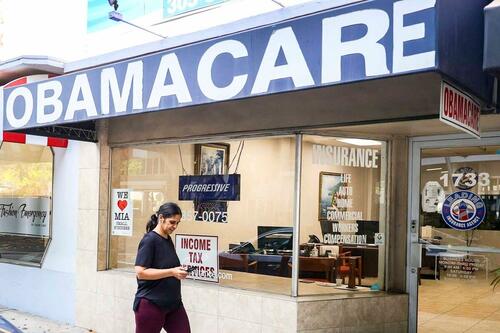
Taxpayers Lost $65B to Obamacare Fraud in 2024; Feds Crack Down
A Paragon Health Institute report reveals $65 billion in taxpayer losses due to Obamacare and Medicaid fraud in 2024, with improper enrollments rising in 2025.
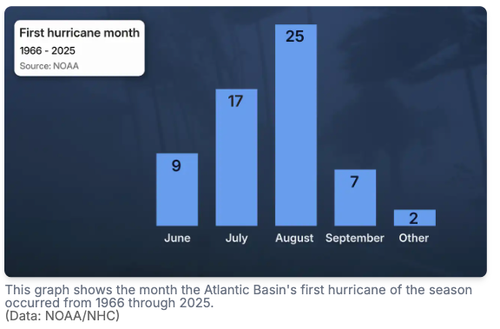
El Niño Delaying 2026 Atlantic Hurricane Season as Dolly Nears Florida
El Niño's wind shear suppresses 2026 Atlantic hurricane activity, delaying first hurricane as Tropical Storm Dolly's remnants approach Florida and the Caribbean.

Mumbai’s Vile Parle Cypher is giving unheard rappers a voice

Enrich and Ultimo impress

Karnataka CM Signals Review of 5% Park Land Amendment Bill in Assembly

