Why we should all be worried about AI in elections

The inaugural Global Dialogue on AI Governance held in Geneva last month brought together all 193 United Nations member states to discuss the regulation of artificial intelligence, yet overlooked a critical issue: the technology’s impact on elections. While the U.N.’s Independent International Scientific Panel on AI addressed AI’s role in elections primarily through the lens of disinformation and deepfakes, experts warn that the real threat lies in AI’s integration into core electoral systems. As countries worldwide prepare for major elections in 2024, the governance of AI in voting processes remains underdiscussed, risking democratic stability.
AI is increasingly embedded in voter registration systems, biometric verification devices, identity databases, results-management software, and cloud infrastructure. However, the conversation often focuses on deepfakes and misinformation, overshadowing the deeper risks posed by AI-driven administrative systems. Unlike sensationalized disinformation campaigns, these embedded AI systems operate quietly, potentially excluding eligible voters or altering electoral outcomes without public awareness. The 2024 global election cycle has shown that while deepfakes generate attention, the more consequential AI risks stem from flawed algorithms and opaque data systems.
India’s experience highlights these dangers. In 2015, the country’s Election Commission linked voter photo IDs to Aadhaar, the national biometric database managed by the Unique Identification Authority of India (UIDAI), a government body outside the commission’s control. A machine learning algorithm was used to flag duplicate or deceased voters, leading to the removal of 5.5 million names from electoral rolls in two states—many without notice or appeal. The Supreme Court later intervened after investigations revealed the algorithm had a failure rate as high as 93%. Despite this, the program was revived in 2021, extending the risks nationwide.
The problem extends beyond single algorithmic failures. In many regions, including Africa, Asia, and Latin America, electoral technologies are designed, supplied, and hosted by private vendors operating outside national oversight. This creates risks such as unauthorized data sharing, proprietary systems resistant to audit, and hidden biases that may disenfranchise voters. Chatbots, including OpenAI’s ChatGPT and Google’s Gemini, now integrated into search functions, can spread misinformation or reinforce biases, particularly in underserved linguistic communities. Such systems exacerbate existing digital divides, disproportionately affecting the most marginalized.
The opacity of AI compounds these risks. Election authorities often lack the authority or technical capacity to regulate or inspect the systems they rely on, leaving them accountable for decisions made by technologies they did not design. Without clear governance standards, the potential for unchecked AI influence in elections remains a critical blind spot in global discussions.
Regional initiatives, such as the African Union’s April 2024 mandate, offer a model for addressing these challenges. The African Union Peace and Security Council emphasized the need to “shape and control” Africa’s AI ecosystem, prioritizing data localization, technology transfer, and source code disclosure. These measures aim to ensure electoral commissions retain authority over their systems and that AI applications are transparent and auditable.
As the U.N. prepares to reconvene its Global Dialogue on AI Governance in New York in May 2027, experts argue that electoral integrity must be a dedicated focus. Without safeguarding elections—the foundational mechanism of democratic accountability—global efforts to govern AI risk resting on a flawed premise. Protecting democracy requires protecting the institutions that make it possible.
#AIGovernance #ElectionIntegrity #Democracy #AIinElections #UNAIGovernance #DigitalRights #BiometricVoting #GlobalAI
Comments (0)
No comments yet — be the first to weigh in.

Energy biz SSE smacked around in court by a guy and AI
An Oxford doctoral student has defeated British energy provider SSE Energy Supply in court after utilizing artificial intelligence models to build his legal def...
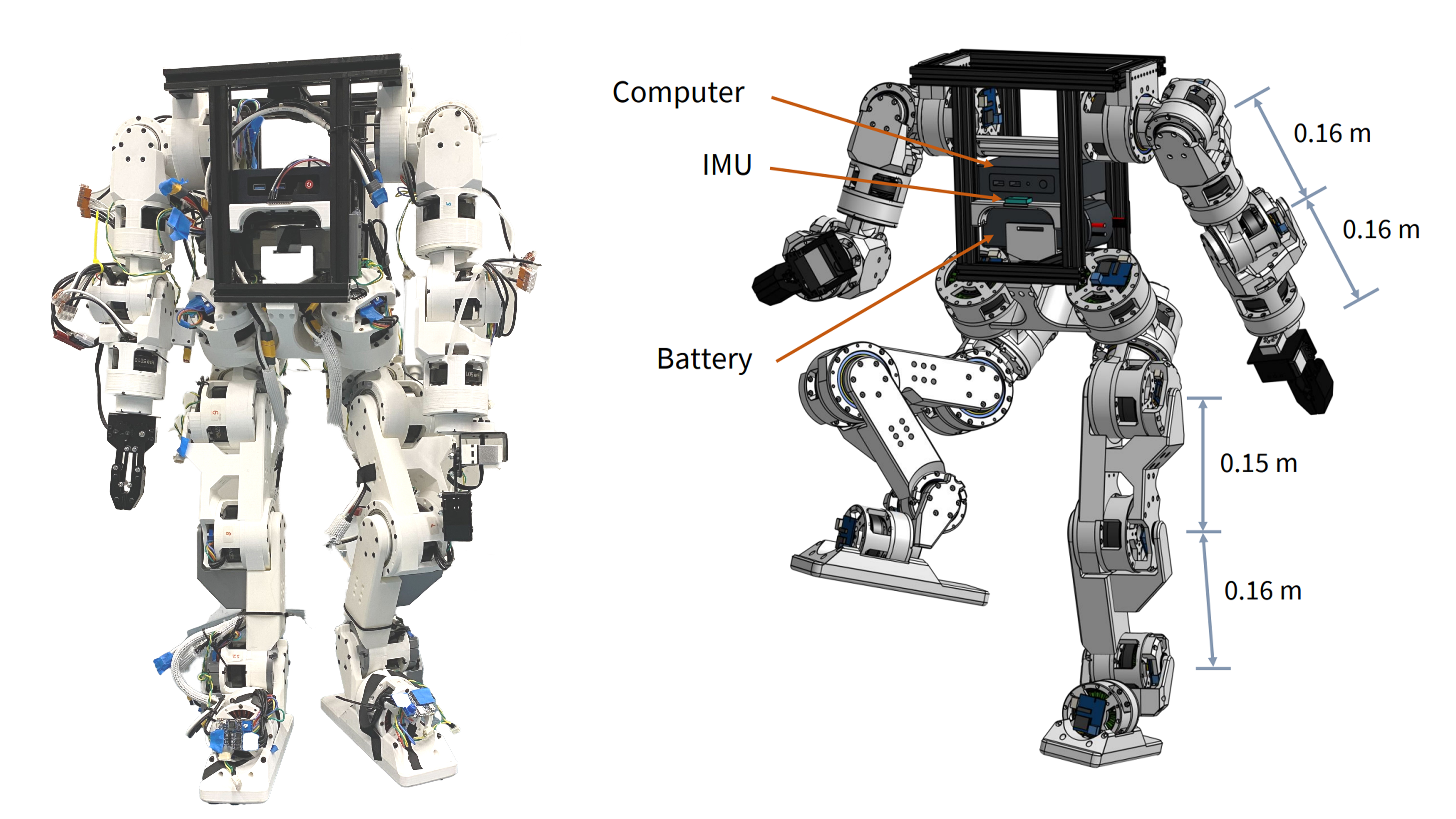
Berkeley Humanoid Lite: Affordable Open-Source Robot with DIY Actuators
Explore the Berkeley Humanoid Lite, a budget-friendly open-source robot featuring 3D-printed actuators under $5,000 USD. Learn how its modular design benefits DIY projects.

Woodstove Safety Monitor: Oru System Alerts Users to Temperature Fluctuations
Discover how the Oru woodstove assistant helps prevent dangerous chimney fires by monitoring exhaust gas temperatures and alerting users to temperature changes.

NES CD Add-On Revives 1980s Gaming with Optical Storage
Explore how a DIY project integrates a CD drive with the NES using an RP2350B microcontroller and Everdrive N8 Pro for expanded storage and audio playback.

Mumbai’s Vile Parle Cypher is giving unheard rappers a voice

Enrich and Ultimo impress

Karnataka CM Signals Review of 5% Park Land Amendment Bill in Assembly

