Wikipedia on a Cheap Yellow Display
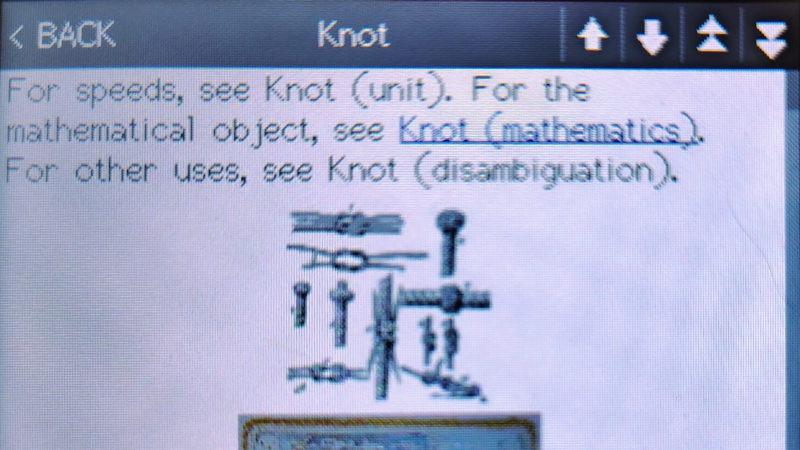
A hobbyist has adapted the Cheap Yellow Display (CYD), a budget-friendly microcontroller board, to serve as an offline Wikipedia reader by running a customized firmware on the ESP32 chip. The project, documented by Alun Morris, leverages offline Wikipedia archives from the Kiwix project and repackages them for the ESP32’s limited resources, enabling users to browse the full English Wikipedia—including images—without an internet connection.
The Cheap Yellow Display is a compact, low-cost development board featuring an older variant of the ESP32 microcontroller, a resistive touchscreen, an SD card slot, and minimal additional components. Originally designed for simple user interface applications, the CYD has gained popularity among microcontroller enthusiasts for its affordability and versatility. Morris’s project expands those possibilities by transforming the board into a portable offline knowledge hub.
The process begins with Wikipedia data extracted from Kiwix, a non-profit organization that provides offline versions of Wikipedia and other large datasets. Kiwix archives are typically stored in ZIM format, a compressed file optimized for offline use. Morris converted these archives into a format compatible with a custom browser firmware running on the ESP32. Given the capacity of modern SD cards—often exceeding 32 gigabytes—there is ample space to store the entire English Wikipedia, including images, without exceeding the system’s storage limits.
The resulting setup allows users to navigate Wikipedia articles using the CYD’s touchscreen interface, similar to browsing on a mobile device. The offline approach addresses scenarios where internet access is unreliable or unavailable, such as remote travel, emergency preparedness, or educational use in low-connectivity environments. The project also resonates with the growing “offline living” movement, which emphasizes self-sufficiency and reduced dependence on digital networks.
Morris is no stranger to ESP32-based projects. He previously developed an ESP32 web browser, demonstrating the microcontroller’s ability to handle basic web browsing tasks. His work on the offline Wikipedia reader builds on that foundation, showcasing the ESP32’s potential as a platform for practical, portable computing applications.
For those interested in replicating the project, Morris has shared technical details and firmware on his website, enabling others to build their own offline Wikipedia readers. The initiative highlights how open-source tools and creative engineering can make vast knowledge repositories accessible without relying on continuous internet connectivity.
#OfflineWikipedia #ESP32 #CheapYellowDisplay #Kiwix #Microcontroller #AlunMorris #DIYTech
Comments (0)
No comments yet — be the first to weigh in.

Energy biz SSE smacked around in court by a guy and AI
An Oxford doctoral student has defeated British energy provider SSE Energy Supply in court after utilizing artificial intelligence models to build his legal def...
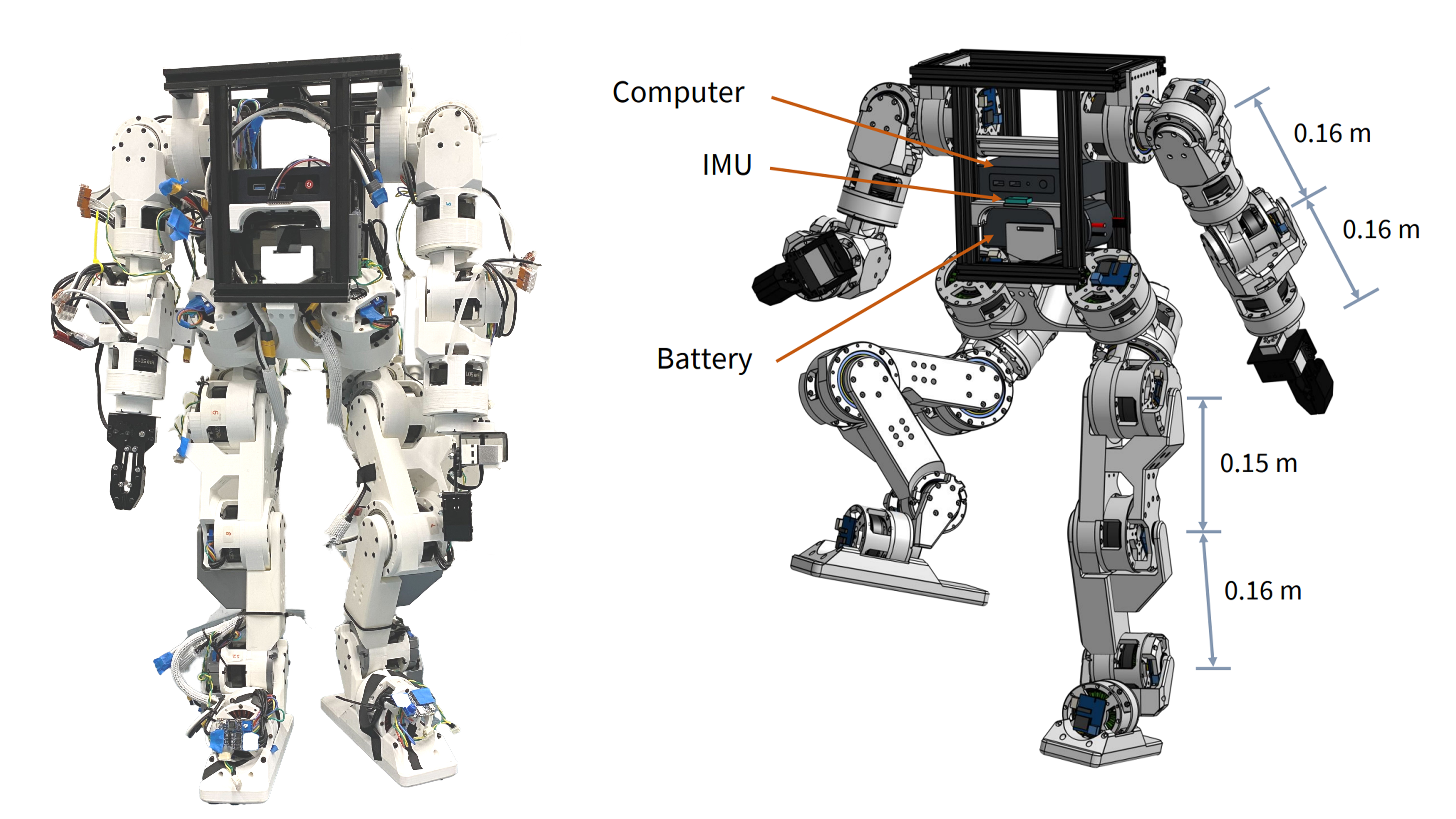
Berkeley Humanoid Lite: Affordable Open-Source Robot with DIY Actuators
Explore the Berkeley Humanoid Lite, a budget-friendly open-source robot featuring 3D-printed actuators under $5,000 USD. Learn how its modular design benefits DIY projects.

Woodstove Safety Monitor: Oru System Alerts Users to Temperature Fluctuations
Discover how the Oru woodstove assistant helps prevent dangerous chimney fires by monitoring exhaust gas temperatures and alerting users to temperature changes.
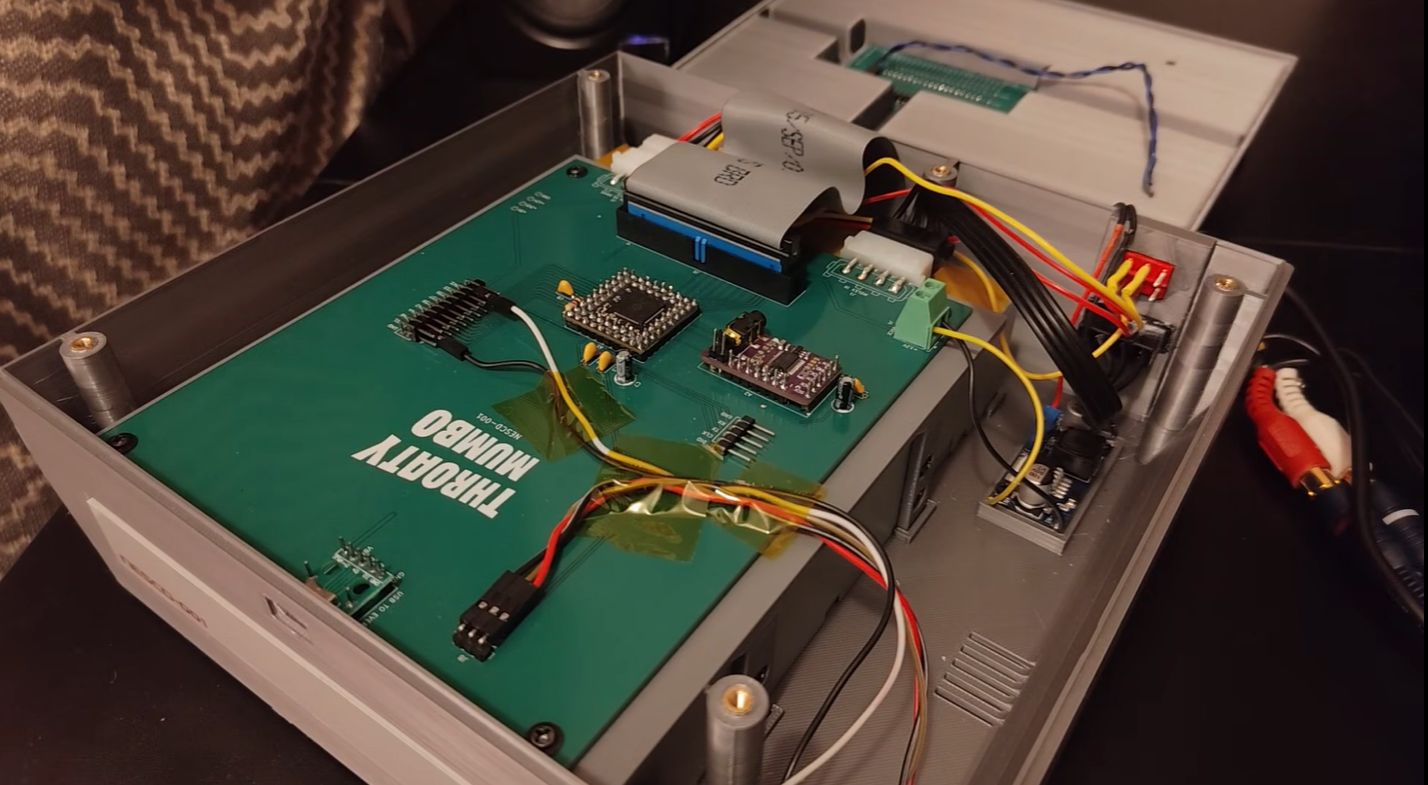
NES CD Add-On Revives 1980s Gaming with Optical Storage
Explore how a DIY project integrates a CD drive with the NES using an RP2350B microcontroller and Everdrive N8 Pro for expanded storage and audio playback.

Mumbai’s Vile Parle Cypher is giving unheard rappers a voice

Enrich and Ultimo impress

Karnataka CM Signals Review of 5% Park Land Amendment Bill in Assembly

