African Nations Fail to Secure Drought Protocol at UN Land Talks in Mongolia
African countries' push for a legally binding UN drought protocol at COP17 in Mongolia ended in failure, with negotiations deferred to Egypt in 2028 amid resistance from developed nations.

The latest United Nations land restoration conference in Mongolia ended without a breakthrough on drought management, disappointing African nations that had sought a legally binding protocol to address worsening land degradation and water scarcity.
For over a decade, African countries have pushed for a UN drought risk management protocol under the UN Convention to Combat Desertification (UNCCD), arguing that drought requires a coordinated global and regional response rather than isolated national efforts. A formal protocol could unlock additional financing to ensure water availability and help communities adapt before droughts strike. "Once land is too dry and infertile, people often leave to seek a living elsewhere," a Tunisian negotiator for the African Group explained last week.
However, developed nations have resisted a legally binding agreement, favoring a weaker framework that could be implemented more quickly. Talks at the UNCCD COP17 in Ulaanbaatar collapsed this week after African officials staged a walkout Wednesday morning, according to sources present. The Earth Negotiations Bulletin, a non-governmental observer group, reported that negotiations reached a "boiling point" before resuming after a lunchtime meeting with Mongolia’s COP presidency.
In the end, governments agreed to defer further discussions on a drought instrument until COP18 in Egypt in 2028. WWF’s head of freshwater policy, Christine Colvin, criticized the delay, stating that droughts from Honduras to Hampshire require urgent action rather than "kicking the can down the road for another two years."
The conference also saw divisions over gender and civil society participation. The U.S., under a Trump administration representative, objected to agenda items addressing gender equality and civil society involvement, calling them unrelated to the UNCCD’s core mandate. A State Department spokesperson later reiterated that the U.S. prefers focusing on "concrete work" and reducing overlap with other UN bodies. The EU and Brazil opposed these objections, but the Mongolian presidency ultimately excluded the contested items from the agenda, though they will be revisited in Egypt.
Gender-equality advocates were particularly disappointed after the U.S. blocked a proposal to develop gender-specific indicators for land restoration and increase women’s participation in future COPs. Women made up only about a quarter of delegates at COP15 in 2022, according to UNCCD data. UNCCD Executive Secretary Yasmine Fouad emphasized the importance of women’s roles, stating, "Without the women, we will not be able to restore land."
Indigenous groups also expressed frustration over the exclusion of a dedicated space for their participation in negotiations. A representative stated, "We cannot restore the land while removing the voices of those who care for it." UNCCD Deputy Head Andrea Meza acknowledged that the impasse creates uncertainty but noted that "coalitions of the willing" may advance progress amid geopolitical challenges.
Beyond formal negotiations, the conference highlighted Mongolia’s focus on pastoralism, rangelands, and the environmental impact of mining, with Australian mining interests partly sponsoring the event.
#DroughtProtocol #UNCCD #COP17 #LandRestoration #GenderEquality #IndigenousRights #Mongolia #Africa
Comments (0)
No comments yet — be the first to weigh in.

Bentley Torcal: First All-Electric SUV Unveiling & Price Details
Bentley Motors will unveil its first all-electric SUV, the Torcal, on September 23. Discover pricing, features, and how it compares to competitors in the luxury EV market.

How King Harald V of Norway quietly led the world in clean tech adoption
King Harald V of Norway passed away in 2026 after a 35-year reign marked by stealth advocacy for clean technology, particularly electric vehicles, without political interference.
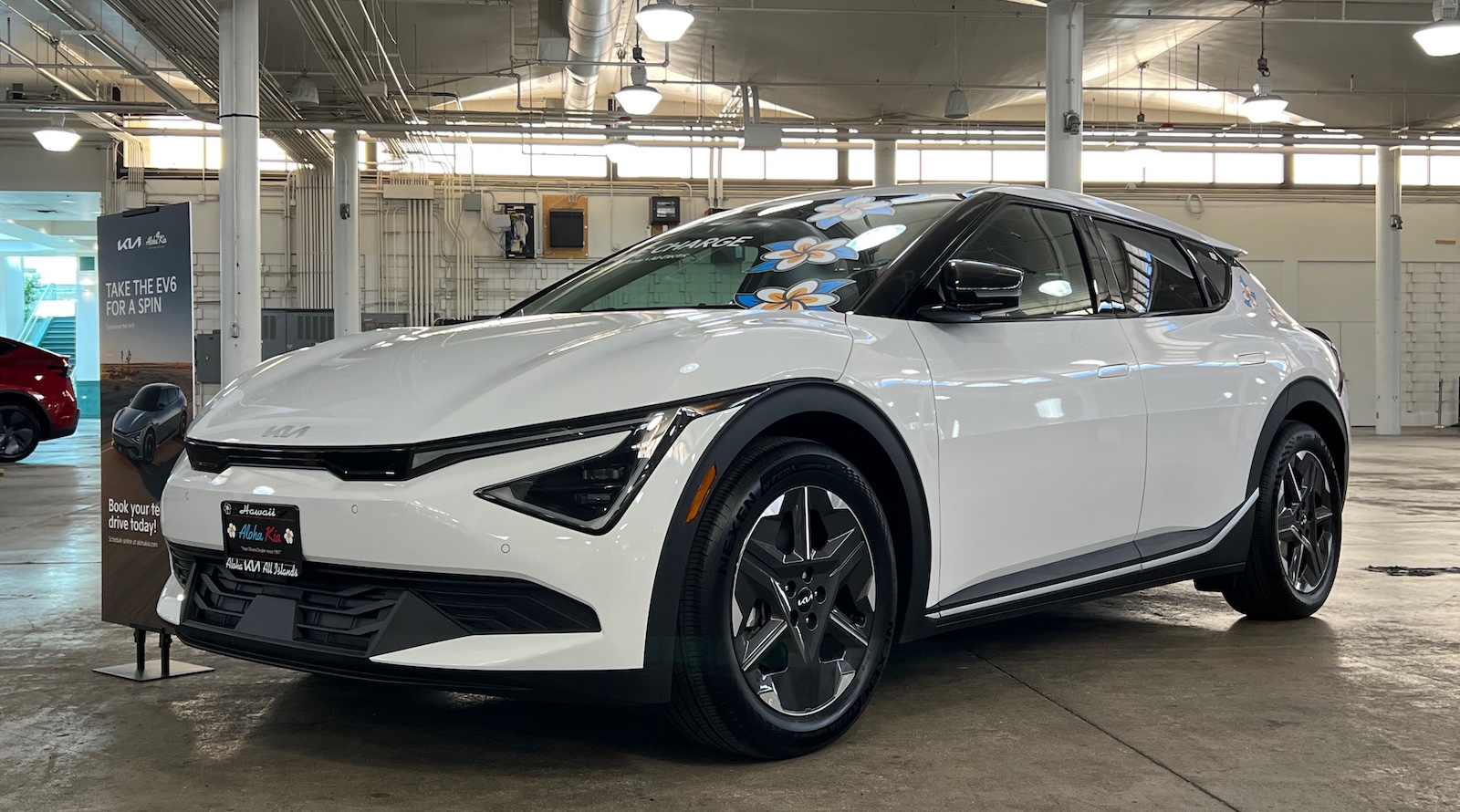
Why Gas Cars Could Be Worth Less Than Zero by 2031 in the US
Analyzing how cheap used EVs may make gasoline cars uneconomical in the US by 2031, with insights from Norway and China's used-car markets.

XPeng Advances AI Tech with VLA 2.0 Upgrade & Robotaxi Progress
XPeng's latest VLA 2.0 upgrade enhances intelligent driving with 4D perception, 20x safety boost, and voice-controlled robotaxis. Discover XPeng's AI advancements.

Mumbai’s Vile Parle Cypher is giving unheard rappers a voice

Enrich and Ultimo impress

Karnataka CM Signals Review of 5% Park Land Amendment Bill in Assembly

