AI-Powered Digital Twins Improve Traffic Flow & Intersection Safety
National Renewable Energy Lab’s AI-driven digital twin technology fuses multisensor data to optimize traffic signals, reduce crashes, and cut fuel waste by 10% through real-time adaptive control.
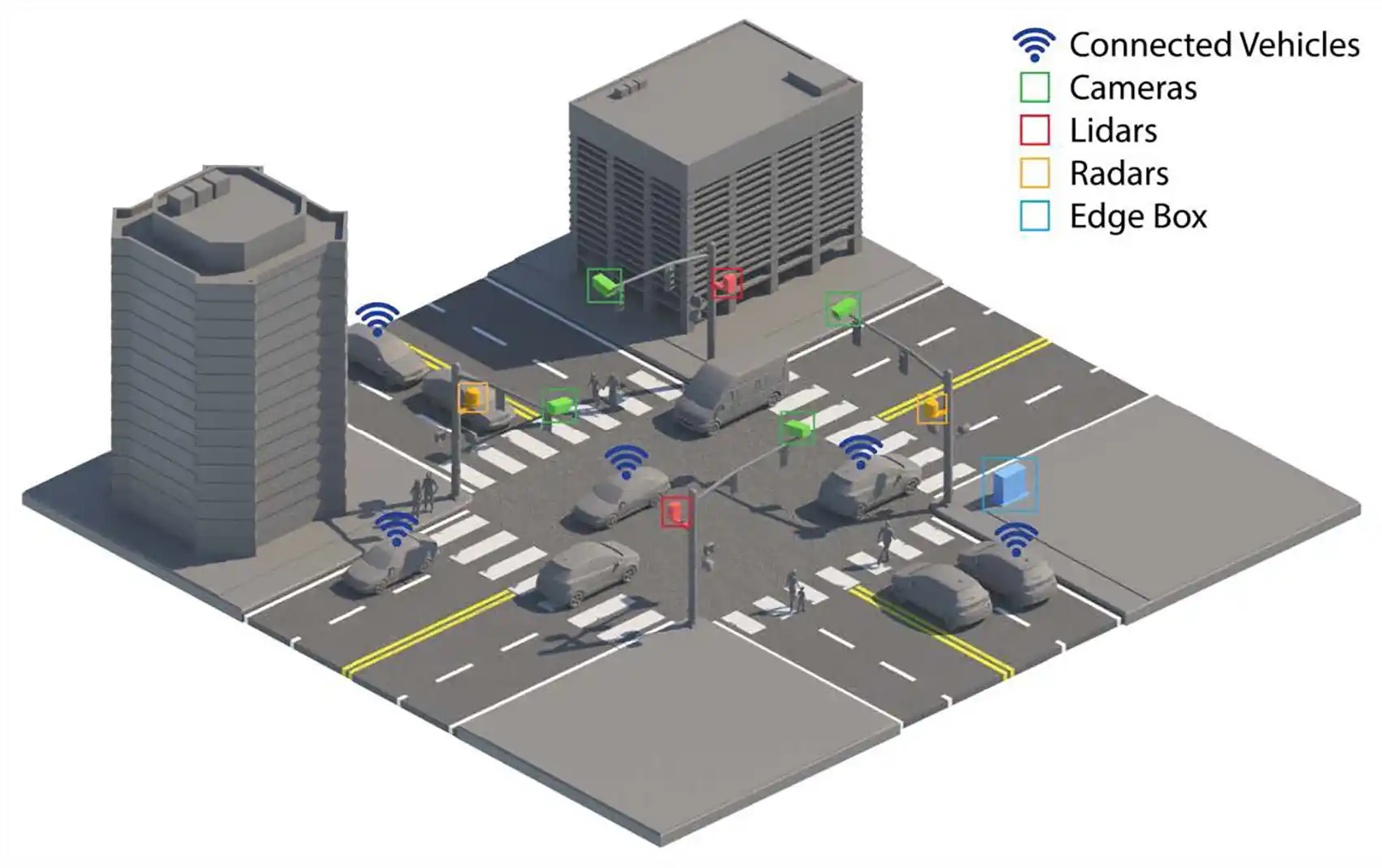
Researchers at the National Laboratory of the Rockies have developed an open-source digital twin technology designed to reduce traffic congestion and improve intersection safety through real-time multisensor data fusion. The software toolkit, known as IPC-Fusion, combines data from cameras, radar, lidar, and connected vehicles to create a complete representation of intersection activity. Following successful field tests in Colorado, the lab is in discussions with a major traffic solutions provider to license the technology for broader adoption by state and local departments of transportation.
Traffic crashes and congestion present severe economic and safety challenges across the United States, contributing to more than 40,000 fatalities and roughly $300 billion in economic losses each year. Intersections account for nearly one-quarter of all traffic fatalities and half of all traffic injuries. According to the Federal Highway Administration, optimizing signal timing can reduce vehicle delays by 15% to 40% and lower fuel consumption by up to 10%.
Stan Young, an advanced mobility specialist at the laboratory, noted that a substantial share of crashes and excess fuel consumption are associated with intersections. He said that a real-time, multisensor view of intersection activity allows intelligent infrastructure to improve traffic flow and reduce crashes in the near term while laying the foundation for automated mobility. In practice, the IPC-Fusion system enables traffic signals to dynamically respond to waiting vehicles, extend pedestrian crossing times, clear paths for emergency vehicles, and identify high-risk locations marked by frequent red-light running.
Integrating sensors from different manufacturers has historically been difficult because hardware producers and software developers rely on rigid, proprietary data pipelines. Rimple Sandhu, a computational scientist at the laboratory, stated that the team set out to build a multisensor data fusion framework capable of operating on edge devices with limited processing power. The system uses artificial intelligence, machine learning, and standardized data interfaces to reconcile diverse data streams into a single model of intersection behavior without locking transportation agencies into a single vendor.
Researchers validated the system through field demonstrations in Colorado Springs and Lakewood, Colorado, using inputs from modern radar, lidar, and AI-enabled video cameras. The framework successfully integrated these inputs into a common reference frame, tracking vehicles, pedestrians, and cyclists while assigning confidence levels to each detection. In addition to testing the real-time framework, the laboratory created a publicly available dataset of field-collected trajectory data and automated methods for classifying turning movements to support future intelligent transportation research.
#TrafficSafety #DigitalTwin #IntelligentTransportation #Colorado #NationalLaboratoryoftheRockies #StanYoung #RimpleSandhu #TrafficManagement
Comments (0)
No comments yet — be the first to weigh in.
Bentley Torcal: First All-Electric SUV Unveiling & Price Details
Bentley Motors will unveil its first all-electric SUV, the Torcal, on September 23. Discover pricing, features, and how it compares to competitors in the luxury EV market.

How King Harald V of Norway quietly led the world in clean tech adoption
King Harald V of Norway passed away in 2026 after a 35-year reign marked by stealth advocacy for clean technology, particularly electric vehicles, without political interference.
Why Gas Cars Could Be Worth Less Than Zero by 2031 in the US
Analyzing how cheap used EVs may make gasoline cars uneconomical in the US by 2031, with insights from Norway and China's used-car markets.
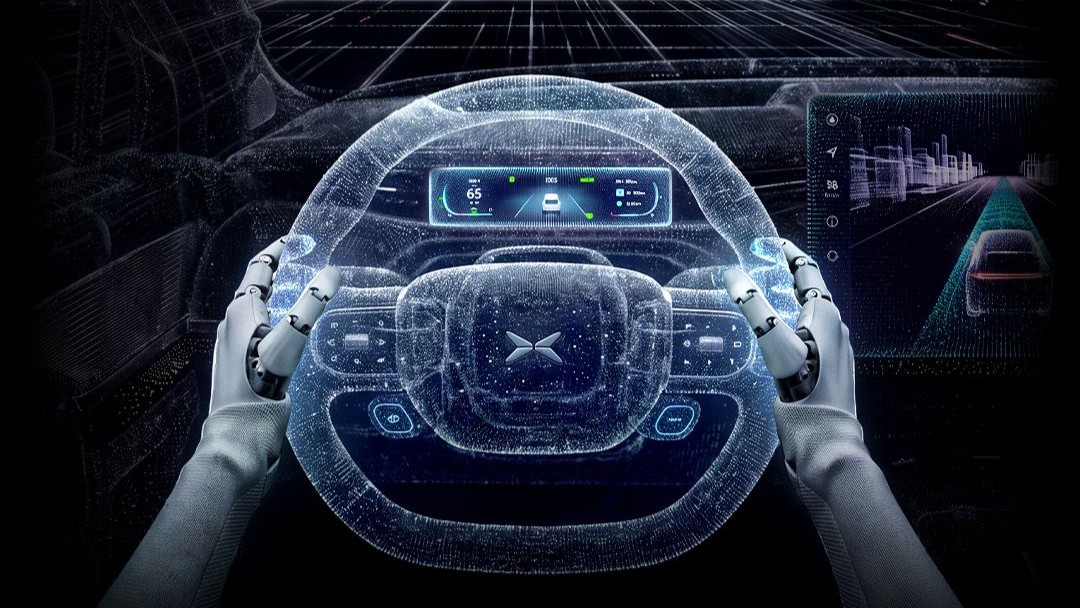
XPeng Advances AI Tech with VLA 2.0 Upgrade & Robotaxi Progress
XPeng's latest VLA 2.0 upgrade enhances intelligent driving with 4D perception, 20x safety boost, and voice-controlled robotaxis. Discover XPeng's AI advancements.

Mumbai’s Vile Parle Cypher is giving unheard rappers a voice

Enrich and Ultimo impress

Karnataka CM Signals Review of 5% Park Land Amendment Bill in Assembly

