As Diesel Prices Surge, Trump Administration Moves to Make Fueling Large Trucks Even More Expensive
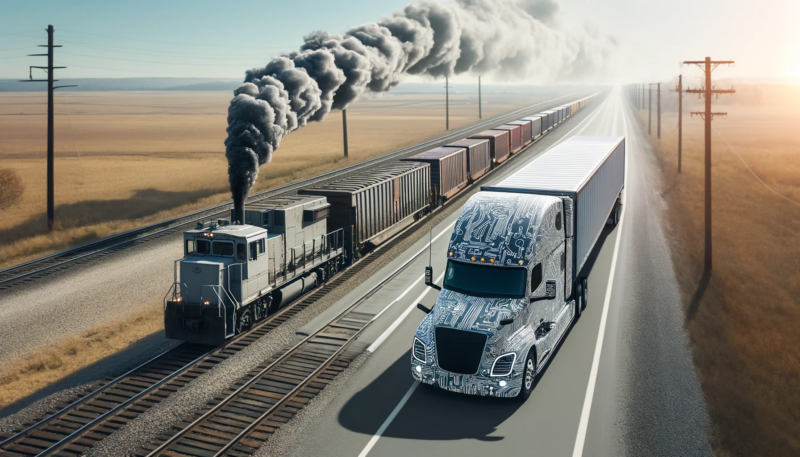
The Trump administration has finalized a rule that weakens Corporate Average Fuel Economy (CAFE) standards for heavy-duty commercial vehicles, a move critics say will exacerbate fuel price volatility and increase costs for truckers and consumers alike.
The new rule, announced by the U.S. Department of Transportation’s National Highway Traffic Safety Administration (NHTSA), rolls back efficiency requirements for large trucks, including tractor-trailers and vocational vehicles. These vehicles account for a significant portion of the transportation sector’s greenhouse gas emissions and fuel consumption. By reducing fuel efficiency mandates, the administration is making it harder for trucking fleets to transition away from diesel, which has seen prices surge in recent months amid global supply constraints and geopolitical tensions.
The decision comes as diesel prices in the U.S. have climbed to record highs, further straining businesses that rely on freight transportation. Analysts warn that weaker standards could lock truckers into higher long-term fuel costs, which may ultimately be passed on to consumers through increased prices for goods. The rule also aligns with the administration’s broader efforts to roll back fuel economy standards for light-duty vehicles, a move that critics argue will worsen pump prices at a time when inflation remains a top concern for American households.
Environmental groups, including the Sierra Club, have condemned the policy change. Katherine García, director of the Sierra Club’s Clean Transportation for All campaign, stated that the decision prioritizes polluter interests over economic stability. “This pro-polluter move is a blatant giveaway to Big Oil,” García said. She noted that major oil companies have already reported over $125 billion in profits this year amid high fuel prices. “More efficient trucks save fuel, reduce operating costs, and protect families from volatile oil prices,” she added. “Instead of doubling down on outdated, polluting technologies, we need policies that lower costs and move us toward a cleaner future.”
The NHTSA’s final rule follows a proposed version released last year and reflects the administration’s deregulatory agenda. Supporters of the rollback argue that it provides flexibility for manufacturers and fleet operators, particularly smaller businesses that may struggle with compliance costs. However, critics counter that the move undermines long-term energy security and climate goals by prolonging dependence on fossil fuels.
The rule is expected to take effect in the coming months, though legal challenges from environmental and public health advocates are likely. The Biden administration has previously sought to strengthen fuel efficiency standards as part of its climate and energy policy agenda, but this latest action reverses that direction.
As diesel prices remain elevated and inflation pressures persist, the policy shift raises questions about the future of sustainable freight transportation in the U.S.
#DieselPrices #CAFESTandards #HeavyDutyTrucks #TrumpAdministration #SierraClub #FuelEfficiency #BigOil #TransportationPolicy
Comments (0)
No comments yet — be the first to weigh in.

Bentley Torcal: First All-Electric SUV Unveiling & Price Details
Bentley Motors will unveil its first all-electric SUV, the Torcal, on September 23. Discover pricing, features, and how it compares to competitors in the luxury EV market.

How King Harald V of Norway quietly led the world in clean tech adoption
King Harald V of Norway passed away in 2026 after a 35-year reign marked by stealth advocacy for clean technology, particularly electric vehicles, without political interference.
Why Gas Cars Could Be Worth Less Than Zero by 2031 in the US
Analyzing how cheap used EVs may make gasoline cars uneconomical in the US by 2031, with insights from Norway and China's used-car markets.

XPeng Advances AI Tech with VLA 2.0 Upgrade & Robotaxi Progress
XPeng's latest VLA 2.0 upgrade enhances intelligent driving with 4D perception, 20x safety boost, and voice-controlled robotaxis. Discover XPeng's AI advancements.

Mumbai’s Vile Parle Cypher is giving unheard rappers a voice

Enrich and Ultimo impress

Karnataka CM Signals Review of 5% Park Land Amendment Bill in Assembly

