Climate Burnout: How to Sustain Activism Without Burning Out
Expert advice on overcoming climate burnout and paralysis, offering sustainable ways to stay engaged despite overwhelming challenges.

Climate change activists and sustainability professionals are increasingly struggling with burnout and paralysis as they confront the scale of the global crisis. In a recent column from Grist’s "Ask a Climate Therapist," a sustainability worker with over 24 years of experience and a climate-conscious professional in their early 30s shared their exhaustion and hesitation in addressing environmental challenges. The column offers guidance on coping with climate-related emotional fatigue while staying engaged in meaningful work.
The first writer, a long-time sustainability specialist, expresses deep weariness after decades of advocacy, questioning whether to persist in a system where their influence feels limited. The second, a 31-year-old climate-aware professional, admits to avoiding activism due to a belief that individual efforts cannot make a difference. Both describe emotional responses—burnout and withdrawal—that stem from the overwhelming nature of the climate crisis.
Leslie Davenport, a climate therapist and author, responds to these concerns by framing the shared struggle as a collective challenge rather than an individual one. She explains that societal and environmental progress often occurs through gradual, systemic efforts rather than immediate, visible change. Restoring ecosystems, passing legislation, or phasing out fossil fuels requires years of unseen groundwork, and burnout arises when people expect individual actions to match the magnitude of the problem.
Davenport introduces the "Even As" practice as a way to hold contradictory feelings without allowing them to overwhelm. For example, one might acknowledge exhaustion while also recognizing the value of continued involvement, or fear of inaction alongside a desire to contribute. This approach helps individuals step back from polarized thinking—pushing harder or giving up—and instead reconnect with the broader mission of collective climate action.
She encourages readers to shift their focus from personal burden to shared effort, comparing individual contributions to the slow but powerful force of a river eroding stone. Engaging with others in climate work, whether through group canvassing or collaborative projects, can restore a sense of purpose and reveal progress that may otherwise go unnoticed.
Davenport’s insights align with her upcoming book, *Transforming Climate Anxiety*, which offers further strategies for managing climate-related distress.
#ClimateBurnout #SustainabilityWork #ClimateTherapy #EnvironmentalAdvocacy #CollectiveAction #ClimateAnxiety #Grist
Comments (0)
No comments yet — be the first to weigh in.

Bentley Torcal: First All-Electric SUV Unveiling & Price Details
Bentley Motors will unveil its first all-electric SUV, the Torcal, on September 23. Discover pricing, features, and how it compares to competitors in the luxury EV market.

How King Harald V of Norway quietly led the world in clean tech adoption
King Harald V of Norway passed away in 2026 after a 35-year reign marked by stealth advocacy for clean technology, particularly electric vehicles, without political interference.
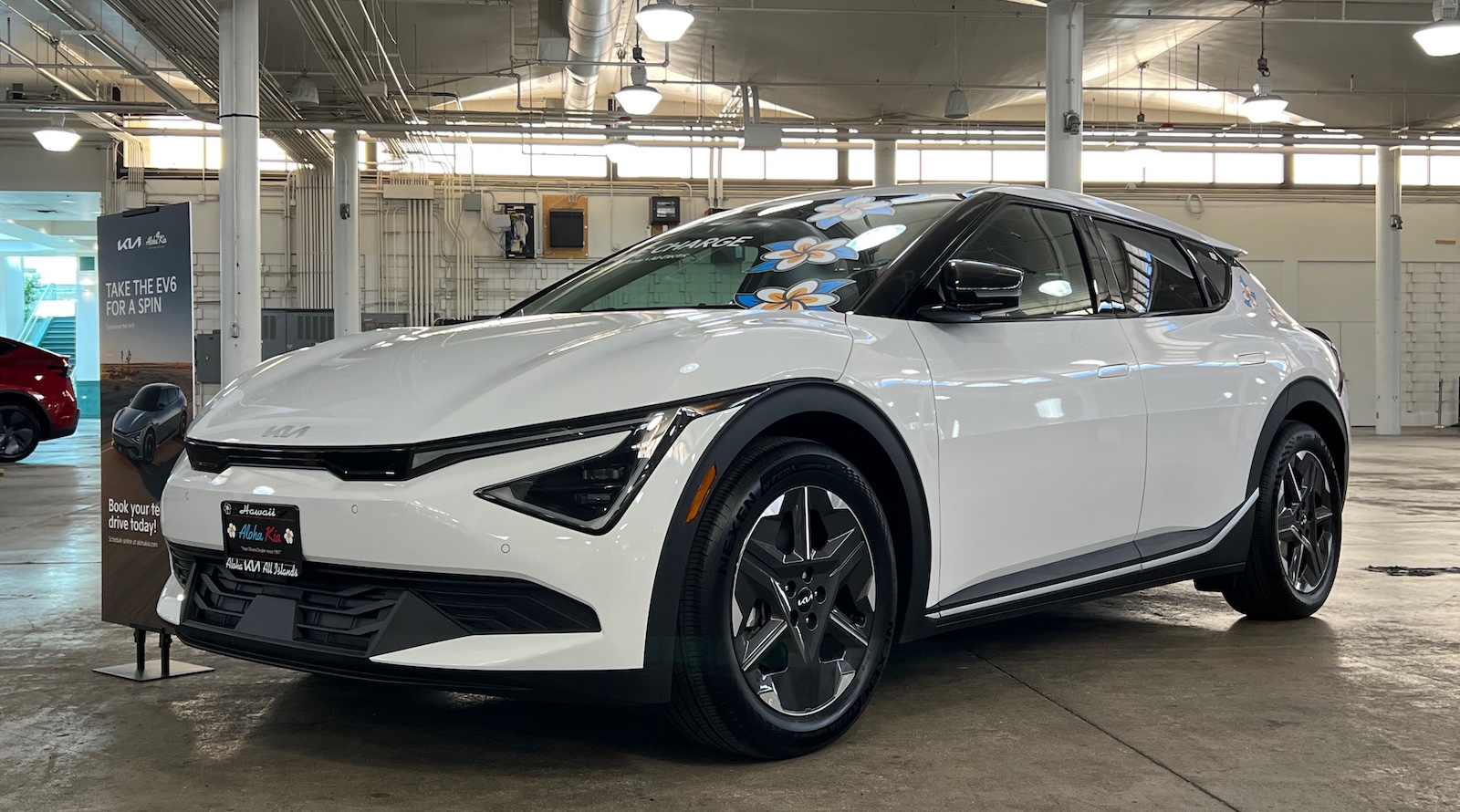
Why Gas Cars Could Be Worth Less Than Zero by 2031 in the US
Analyzing how cheap used EVs may make gasoline cars uneconomical in the US by 2031, with insights from Norway and China's used-car markets.

XPeng Advances AI Tech with VLA 2.0 Upgrade & Robotaxi Progress
XPeng's latest VLA 2.0 upgrade enhances intelligent driving with 4D perception, 20x safety boost, and voice-controlled robotaxis. Discover XPeng's AI advancements.

Mumbai’s Vile Parle Cypher is giving unheard rappers a voice

Enrich and Ultimo impress

Karnataka CM Signals Review of 5% Park Land Amendment Bill in Assembly

