Climate Change Threatens Iconic American Road Trips
From wildfires to extreme heat, climate change is disrupting America's cherished road trips and public lands. Discover how travelers are adapting.
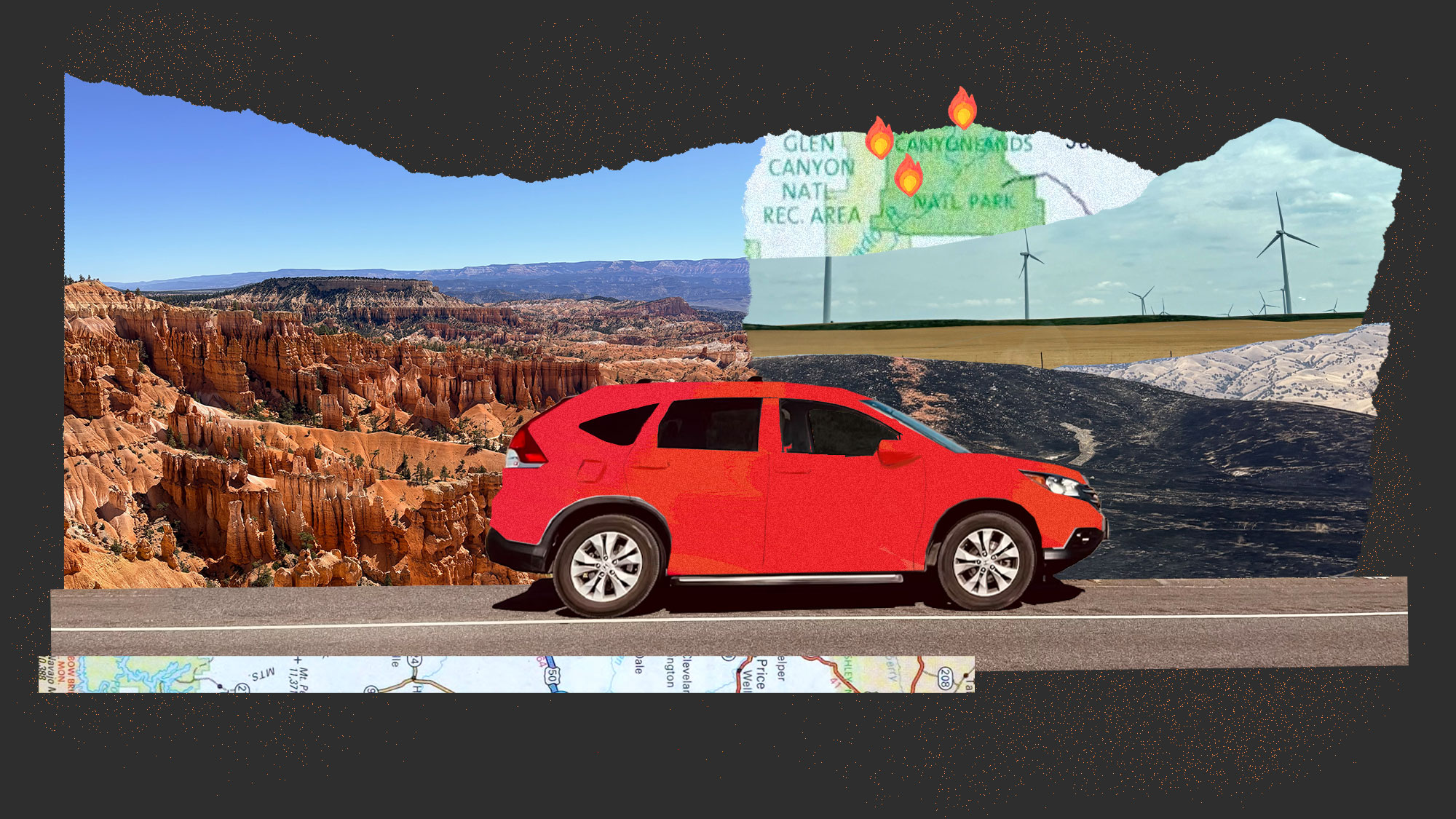
Wildfire smoke and road closures disrupt Great American Road Trip as climate change reshapes Utah travel
MOAB, Utah — A family’s 9,000-mile cross-country road trip designed to showcase America’s national parks collided with a summer fire season that has already forced the closure of portions of Utah’s public lands. As wildfires burned across the state in late June, travelers found themselves rerouting around active blazes, donning N-95 masks, and grappling with rapidly changing evacuation maps.
More than a dozen wildfires were burning in Utah during the final week of June, including the Cottonwood Fire near Moab and the Jones Fire near the ghost town of Cisco. The Cottonwood Fire scorched over 94,000 acres, making it the largest active wildfire in the United States at the time. Dense smoke plumes turned afternoon skies orange and forced road closures, including segments of State Route 89 and State Route 72. Travelers relying on real-time mapping tools like Google Maps and wildfire trackers such as Watch Duty had to adjust routes on the fly.
A family traveling from Moab to Bryce Canyon National Park encountered both blazes during a breakfast stop at a Moab hotel. After reviewing fire perimeters on their phones, they chose a detour through smaller state highways to avoid advancing flames. While waiting for their bags, one traveler purchased N-95 masks at a local pharmacy to prepare for air quality concerns along the new route.
The disruption comes as wildfire season intensifies across the American West. According to data from the National Interagency Fire Center, the number of large wildfires in the western United States has risen steadily over the past two decades, with more than 28,000 wildfires reported nationwide in 2025. Scientists at Climate Central note that climate change has increased the frequency and severity of wildfires by lengthening fire seasons and creating hotter, drier conditions.
The family’s experience highlights a growing challenge for summer travelers: planning outdoor adventures during what climate experts now call “danger season,” the period from May to October when extreme weather events—wildfires, floods, heat waves, and drought—are most likely to occur. The Union of Concerned Scientists launched a public awareness campaign in 2022 to emphasize the risks.
As the family continued west, they documented smoke from the Pocket Fire near the Grand Canyon and adjusted plans in response to park closures. In Utah’s Canyonlands National Park, a sudden wind gust overnight expanded the Babylon Fire from 300 acres to 16,000 acres, prompting the National Park Service to close a portion of the park less than 24 hours after the family had admired its red sandstone cliffs.
The trip underscored both the beauty and fragility of America’s public lands. While the family marveled at wind turbines in Iowa and solar farms in the West, they also witnessed the environmental toll of fossil fuel extraction in California’s Kern River Oil Field, where pumpjacks dotted the landscape. Their children, who had previously seen climate change as a distant problem with technological solutions, were confronted by the visible scars of industrial activity.
As the journey continued, the family adapted to a new rhythm—checking fire maps, masking up, and rerouting—reminding travelers that even the most carefully planned road trip is now subject to the growing impacts of a warming planet.
#GreatAmericanRoadTrip #UtahWildfires #ClimateChange #NationalParks #Moab #Canyonlands #BryceCanyon #FamilyTravel
Comments (0)
No comments yet — be the first to weigh in.

Bentley Torcal: First All-Electric SUV Unveiling & Price Details
Bentley Motors will unveil its first all-electric SUV, the Torcal, on September 23. Discover pricing, features, and how it compares to competitors in the luxury EV market.

How King Harald V of Norway quietly led the world in clean tech adoption
King Harald V of Norway passed away in 2026 after a 35-year reign marked by stealth advocacy for clean technology, particularly electric vehicles, without political interference.
Why Gas Cars Could Be Worth Less Than Zero by 2031 in the US
Analyzing how cheap used EVs may make gasoline cars uneconomical in the US by 2031, with insights from Norway and China's used-car markets.

XPeng Advances AI Tech with VLA 2.0 Upgrade & Robotaxi Progress
XPeng's latest VLA 2.0 upgrade enhances intelligent driving with 4D perception, 20x safety boost, and voice-controlled robotaxis. Discover XPeng's AI advancements.

Mumbai’s Vile Parle Cypher is giving unheard rappers a voice

Enrich and Ultimo impress

Karnataka CM Signals Review of 5% Park Land Amendment Bill in Assembly

