Cyborg Roaches Revolutionize Emergency Response in Australia
Australian engineers transform giant burrowing cockroaches into cyborg paramedics with auto-inject mechanisms, offering potential life-saving solutions in disaster zones.
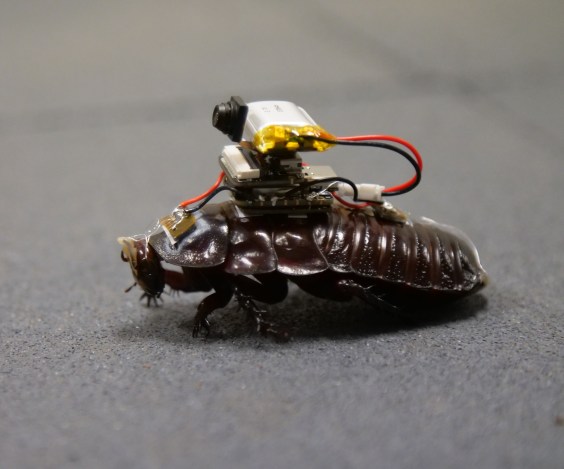
Australian researchers have developed a novel approach to emergency medical response using cyborg cockroaches, potentially transforming disaster triage operations. In a study published in *Advanced Science*, engineers from the University of Queensland outfitted giant burrowing cockroaches with lightweight cameras, electronic controls, and an auto-inject mechanism designed to deliver life-saving drugs to trapped individuals.
The North Queensland giant burrowing cockroach, one of the world’s heaviest insects, was selected for its robust size and ability to navigate tight spaces. While cyborg insects are not new, previous models primarily served reconnaissance purposes, lacking the capability to administer treatment. This innovation addresses that gap by enabling the insects to deliver critical medical interventions directly to survivors.
The auto-inject device, constructed from off-the-shelf components, uses a tiny syringe dart loaded with a liquid drug. Upon contact with skin, citric acid and potassium bicarbonate in the cartridge generate carbon dioxide gas, which propels the drug into the recipient. In tests conducted on a simulated obstacle course, the mechanism successfully deployed in 95 percent of trials. However, stabilizing the insects before injection proved more challenging, with a 72 percent success rate.
The researchers envision the insects carrying various emergency medications, including oxytocin for postpartum hemorrhage, antivenom for snakebites, epinephrine for allergic reactions, and insulin for diabetics. This aligns with Australia’s need for rapid venomous snakebite treatment, particularly in remote areas.
In addition to the cyborg cockroaches, the team has developed wall-climbing cyborg beetles, which could work alongside their insect counterparts in disaster scenarios. These multi-functional teams could include insects equipped with cameras, environmental sensors, and specialized medical tools.
Study author Thang Vo-Doan stated that real-world deployment could occur within five to ten years, assuming sufficient research funding and field testing. The technology could complement human first responders, providing rapid access to trapped survivors in hazardous environments.
While the concept may be unsettling to some, researchers emphasize its potential to save lives in critical situations where conventional rescue methods are ineffective. The study highlights the growing intersection of bioengineering and emergency medicine, offering a glimpse into the future of disaster response.
Comments (0)
No comments yet — be the first to weigh in.

NASA Launches Nancy Grace Roman Telescope to Unlock Universe's Mysteries
NASA's new Nancy Grace Roman Space Telescope lifts off from Florida to study dark energy, exoplanets, and cosmic mysteries with unprecedented precision and scope.

Nature reserves spot rare species during heatwaves
Nature reserves in Hertfordshire and Middlesex have documented rare species this summer, with volunteers spotting wildlife not seen in decades and some even for...

Inmates at HMP La Moye craft boxes to save Jersey's hedgehogs
Prisoners at HMP La Moye have crafted nesting and feeding boxes to support Jersey's hedgehog population, boosting rehabilitation and community engagement.
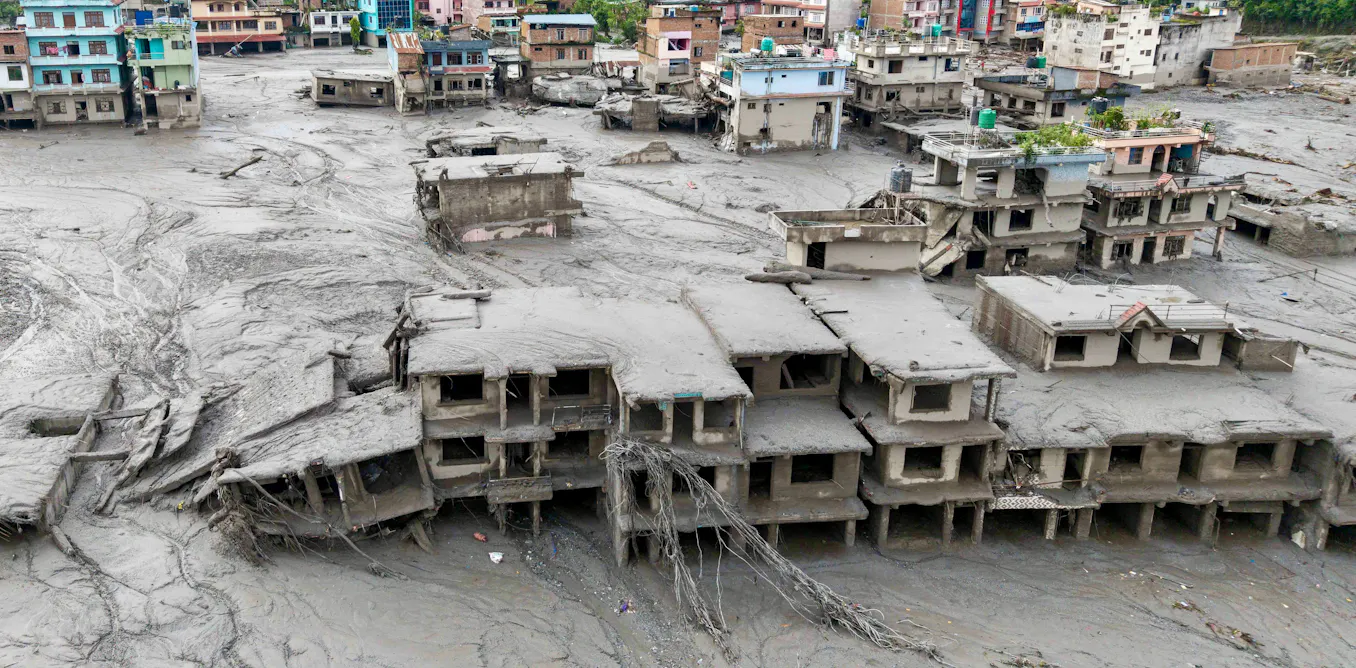
2026 Nepal Flood: Ice‑Rock Avalanche, Glacial Lake Outburst and Climate‑Change Risks
A massive ice‑rock avalanche triggered a catastrophic flood in Nepal on Aug. 26 2026, followed by a glacial lake outburst that devastated towns and hydropower plants. Climate‑change‑driven thawing increased the risk.

Mumbai’s Vile Parle Cypher is giving unheard rappers a voice

Enrich and Ultimo impress

Karnataka CM Signals Review of 5% Park Land Amendment Bill in Assembly

