Decoding whale communication: How AI and drones are saving cetaceans from extinction
New AI and drone technologies reveal whale dialects and social structures, offering critical insights for conservation amid rising ocean threats.

Beluga whales in Canada’s Arctic are helping scientists decode the complex underwater conversations that define their social lives, offering clues that could improve conservation efforts and even deepen our understanding of human communication. Researchers led by Valeria Vergara, director of the cetacean research program at the Raincoast Conservation Foundation, have spent years studying the vocalizations of belugas, whose intricate calls help them navigate the murky waters of Somerset Island in Nunavut.
Using hydrophones—underwater microphones—Vergara and her team recorded the ceaseless chatter of belugas, from clicks and squeals to whistles and trills. These sounds serve as a lifeline in the Arctic’s dim, turbid waters, where visibility is often limited. Vergara described the experience of listening to the whales’ cacophony from her tent in the fog as a moment of profound empathy. “They live in a world of sound,” she said, emphasizing how crucial acoustic communication is to their survival.
Belugas are among the most vocal of marine mammals, using sound not just for navigation but also for social bonding, mating, and caring for their young. Like human children, baby belugas babble as they learn to communicate, gradually mastering the intricate repertoire of their species. Vergara’s research revealed that young belugas take up to three years to perfect their calls, including a distinct “acoustic name tag” used to identify themselves. However, these high-pitched calls are easily drowned out by boat noise, increasing the risk of calves becoming separated from their mothers in large pods.
The alarming findings prompted Canadian authorities in 2018 to close off key beluga meeting grounds to boats, a move supported by Vergara’s work. “There are so many things humans can do to help,” she said, highlighting how acoustic monitoring can reveal threats to whale populations that might otherwise go unnoticed. Belugas are not alone in their complex social structures; other cetaceans, such as orcas and humpback whales, also exhibit distinct dialects and cultural traditions.
Orcas in the Salish Sea, for example, have unique vocal patterns that researchers at Raincoast are now linking to specific behaviors, such as foraging or hunting coordination. By pairing acoustic data with drone footage, scientists hope to develop targeted conservation strategies that address not just noise pollution but also the specific ways it disrupts whale communication. Similarly, sperm whales use “codas”—complex sequences of clicks—to identify clan membership, with each group having its own signature sound pattern.
The discovery that whales possess cultural traditions, once thought to be unique to humans, has revolutionized marine conservation. Dr. Ellen Garland of the University of St Andrews has studied humpback whale songs in the South Pacific, where she found that entire populations rapidly adopt new songs, spreading them like cultural waves across thousands of miles. This phenomenon, she notes, mirrors human trends in music and fashion, suggesting that whales, like humans, are driven by a desire for novelty and social cohesion.
These insights are now being integrated into conservation policies, ensuring that whale dialects and cultural behaviors are considered when designing protective measures. As researchers continue to decode the “chitchat” of marine mammals, they are uncovering not just the secrets of whale society but also new ways to safeguard these intelligent creatures in an increasingly noisy and changing ocean.
#BelugaWhales #MarineConservation #RaincoastFoundation #CetaceanResearch #ArcticWildlife #WhaleCommunication #OceanAcoustics #ValeriaVergara
Comments (0)
No comments yet — be the first to weigh in.

Bentley Torcal: First All-Electric SUV Unveiling & Price Details
Bentley Motors will unveil its first all-electric SUV, the Torcal, on September 23. Discover pricing, features, and how it compares to competitors in the luxury EV market.
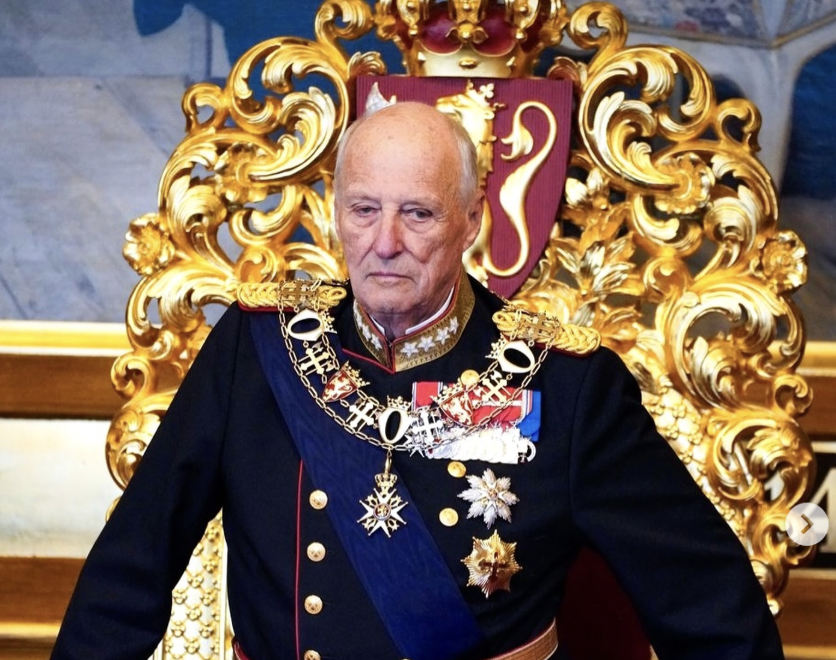
How King Harald V of Norway quietly led the world in clean tech adoption
King Harald V of Norway passed away in 2026 after a 35-year reign marked by stealth advocacy for clean technology, particularly electric vehicles, without political interference.

Why Gas Cars Could Be Worth Less Than Zero by 2031 in the US
Analyzing how cheap used EVs may make gasoline cars uneconomical in the US by 2031, with insights from Norway and China's used-car markets.

XPeng Advances AI Tech with VLA 2.0 Upgrade & Robotaxi Progress
XPeng's latest VLA 2.0 upgrade enhances intelligent driving with 4D perception, 20x safety boost, and voice-controlled robotaxis. Discover XPeng's AI advancements.

Mumbai’s Vile Parle Cypher is giving unheard rappers a voice

Enrich and Ultimo impress

Karnataka CM Signals Review of 5% Park Land Amendment Bill in Assembly

