DRC Opens 50% of Land to Oil Drilling, Threatening Gorillas & Forests
The Democratic Republic of Congo is auctioning over half its territory for oil and gas drilling, risking endangered gorilla habitats and pristine rainforests critical to global climate stability.

The Democratic Republic of the Congo (DRC) has announced plans to open more than half its land—including 306 million acres of intact tropical forest and critical gorilla habitat—to oil and gas drilling. A new report by Earth Insight, titled *Forests to Frontlines: Oil Expansion Threats in the DRC*, warns that the move threatens 64 percent of the country’s pristine forests and could disrupt ecosystems vital to both wildlife and local communities.
The auctioning round includes 52 oil blocks, expanding on three previously awarded concessions. According to the report, the designated areas overlap with 20.5 million acres of protected regions, 21.3 million acres of Key Biodiversity Areas, and 165.1 million acres of intact tropical forests. Additionally, 72 percent of the newly established Kivu-Kinshasa Green Corridor, a key ecological zone, intersects with these oil blocks, raising concerns about its long-term sustainability.
The DRC is home to some of the world’s most ecologically significant landscapes, including the second-largest tropical rainforest and the Cuvette Centrale peatlands, which store approximately 30 gigatons of carbon. The expansion of oil drilling threatens these carbon sinks, undermining global climate goals while also endangering endangered species such as mountain gorillas, eastern lowland gorillas, and bonobos.
The proposed oil blocks cover an area where roughly 39 million people live, many of whom rely on the forests and rivers for their livelihoods. Critics argue that the move contradicts the government’s stated commitments to environmental protection and sustainable development.
Pascal Mirindi, campaign coordinator for Notre Terre Sans Pétrole, expressed frustration over the government’s decision, stating, “Imagine: 39 million Congolese people… and 64% of our forests could be directly affected by the awarding of these oil blocks. And all this while the government is promoting the Kivu-Kinshasa ecological corridor. Where is the logic? Where is the coherence?”
Environmental groups are calling for the cancellation of the 2025 licensing round and an end to future hydrocarbon expansion. They urge respect for the rights of local and Indigenous communities, greater transparency in decision-making, and alignment of international financing with biodiversity and climate commitments.
Anna Bebbington, a research manager at Earth Insight, warned that oil and gas development in these fragile ecosystems would have severe consequences for biodiversity, land rights, and global climate efforts.
The Earth Insight report is a collaboration between DRC-based civil society groups, including the Coalition des Organisations de la Société Civile pour le Suivi des Reformes et de Action Publique (CORAP) and Our Land Without Oil, alongside Rainforest Foundation UK.
The DRC’s latest oil auction marks a significant expansion of a controversial 2022 initiative, raising concerns about the country’s environmental priorities. Conservationists argue that the decision undermines the DRC’s global commitments to biodiversity protection and climate action while jeopardizing the livelihoods of millions who depend on these ecosystems.
Comments (0)
No comments yet — be the first to weigh in.

NASA Launches Nancy Grace Roman Telescope to Unlock Universe's Mysteries
NASA's new Nancy Grace Roman Space Telescope lifts off from Florida to study dark energy, exoplanets, and cosmic mysteries with unprecedented precision and scope.

Nature reserves spot rare species during heatwaves
Nature reserves in Hertfordshire and Middlesex have documented rare species this summer, with volunteers spotting wildlife not seen in decades and some even for...

Inmates at HMP La Moye craft boxes to save Jersey's hedgehogs
Prisoners at HMP La Moye have crafted nesting and feeding boxes to support Jersey's hedgehog population, boosting rehabilitation and community engagement.
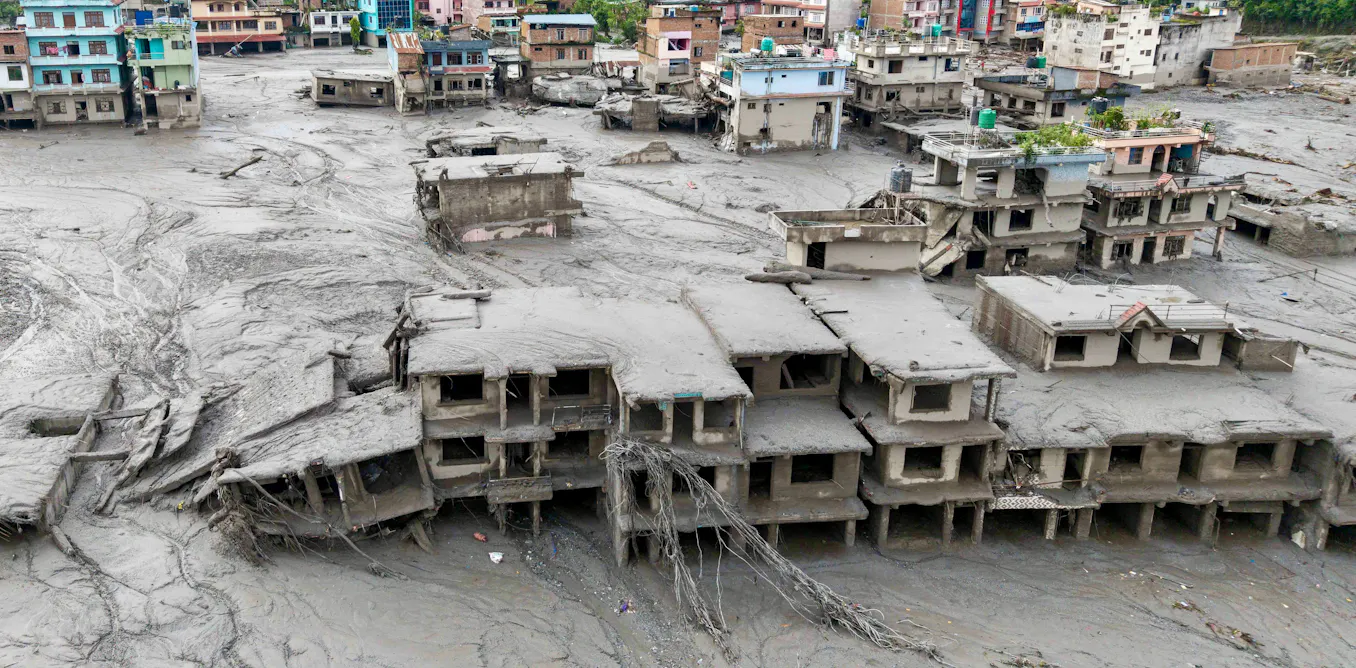
2026 Nepal Flood: Ice‑Rock Avalanche, Glacial Lake Outburst and Climate‑Change Risks
A massive ice‑rock avalanche triggered a catastrophic flood in Nepal on Aug. 26 2026, followed by a glacial lake outburst that devastated towns and hydropower plants. Climate‑change‑driven thawing increased the risk.

Mumbai’s Vile Parle Cypher is giving unheard rappers a voice

Enrich and Ultimo impress

Karnataka CM Signals Review of 5% Park Land Amendment Bill in Assembly

