Elon Musk Fails In His Attempt To Subvert First Amendment Considerations For Social Media
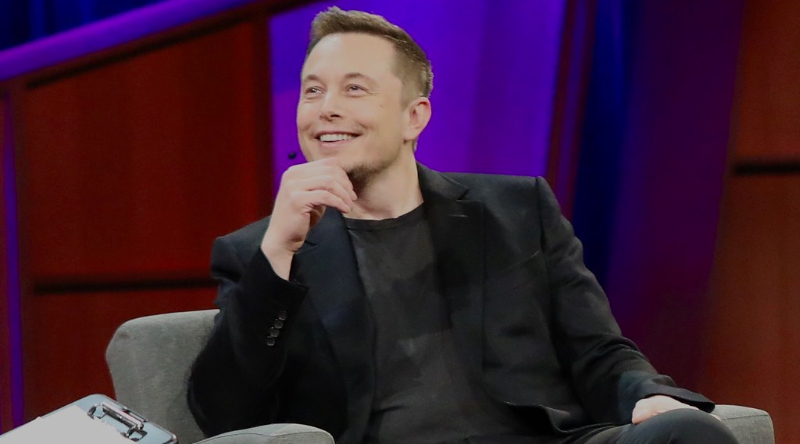
A federal judge has dismissed a lawsuit filed by Elon Musk and X Corp. challenging a New York state transparency law that requires social media platforms to disclose how they address hate speech, extremism, and misinformation. US District Judge John Cronan ruled that New York's Stop Hiding Hate Act does not violate the First Amendment, delivering a legal defeat to Musk's efforts to prevent state regulation of social media moderation policies.
In his decision, Judge Cronan rejected arguments from X Corp., formerly known as Twitter, that the state law imposes unconstitutional speech restrictions. The judge concluded that requiring social media platforms to report their policies on hate speech, harassment, radicalization, and foreign political interference simply requires companies to speak truthfully about their offerings, thereby serving the constitutional goal of the discovery of truth.
The New York law requires major social media platforms to regularly file public reports detailing how they define and moderate hate speech, racism, and disinformation. Musk and X Corp. had sought a court order declaring the provisions void, arguing that government oversight of acceptable online content interferes with free speech guarantees. However, Judge Cronan noted that factual disclosures do not infringe on constitutional rights, comparing the mandate to requiring food businesses to disclose factual calorie information on their menus.
The ruling follows mixed legal outcomes for X Corp. in its legal challenges against state regulations and digital watchdogs. While X Corp. previously obtained court-ordered limits on a similar California transparency law known as AB 587, federal courts have rejected other attempts by the company to limit outside scrutiny. Last year, a federal judge dismissed a lawsuit brought by Musk against the research group Center for Countering Digital Hate, which had published findings documenting an increase in hate speech on the platform.
Beyond social media moderation, Musk is waging legal battles against state regulations concerning artificial intelligence. His AI venture, xAI, filed a lawsuit against Minnesota over the state's first-in-the-nation law banning nudification technology and AI-generated deepfake images created without consent. The lawsuit claims that while xAI does not contest bans on non-consensual explicit images, Minnesota's law goes too far by restricting constitutionally protected media and threatening fines of up to $500,000 per violation. The law targets technology linked to generative AI tools, including xAI's chatbot and image generator Grok.
The court decisions highlight an escalating conflict between tech executives and state lawmakers over online content moderation, corporate accountability, and the legal limits of regulating artificial intelligence.
#ElonMusk #XCorp #FirstAmendment #NewYork #FreeSpeech #ArtificialIntelligence #Minnesota
Comments (0)
No comments yet — be the first to weigh in.
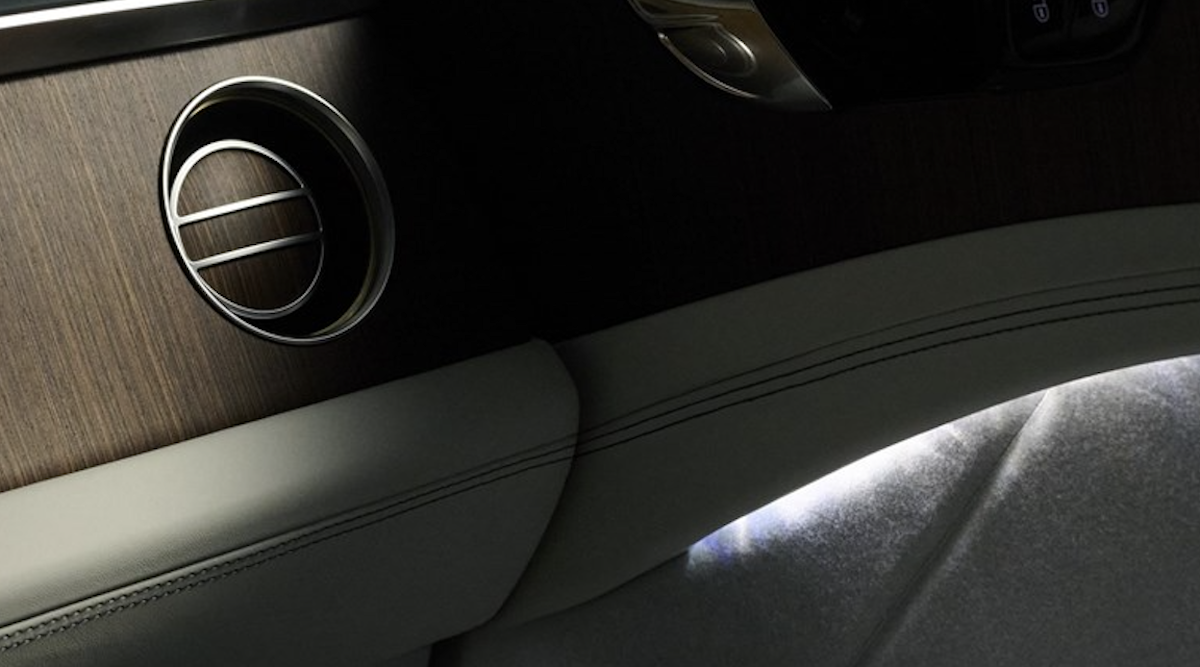
Bentley Torcal: First All-Electric SUV Unveiling & Price Details
Bentley Motors will unveil its first all-electric SUV, the Torcal, on September 23. Discover pricing, features, and how it compares to competitors in the luxury EV market.
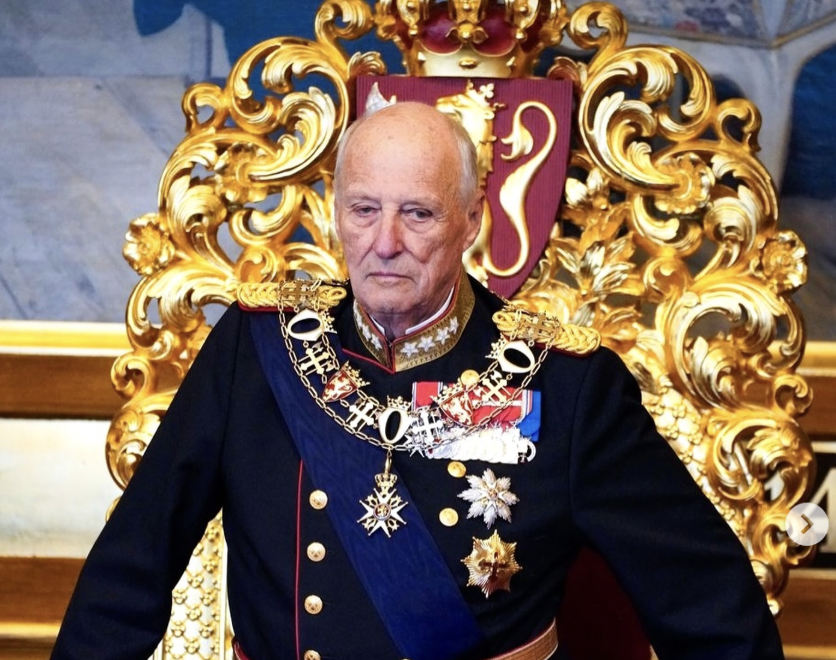
How King Harald V of Norway quietly led the world in clean tech adoption
King Harald V of Norway passed away in 2026 after a 35-year reign marked by stealth advocacy for clean technology, particularly electric vehicles, without political interference.
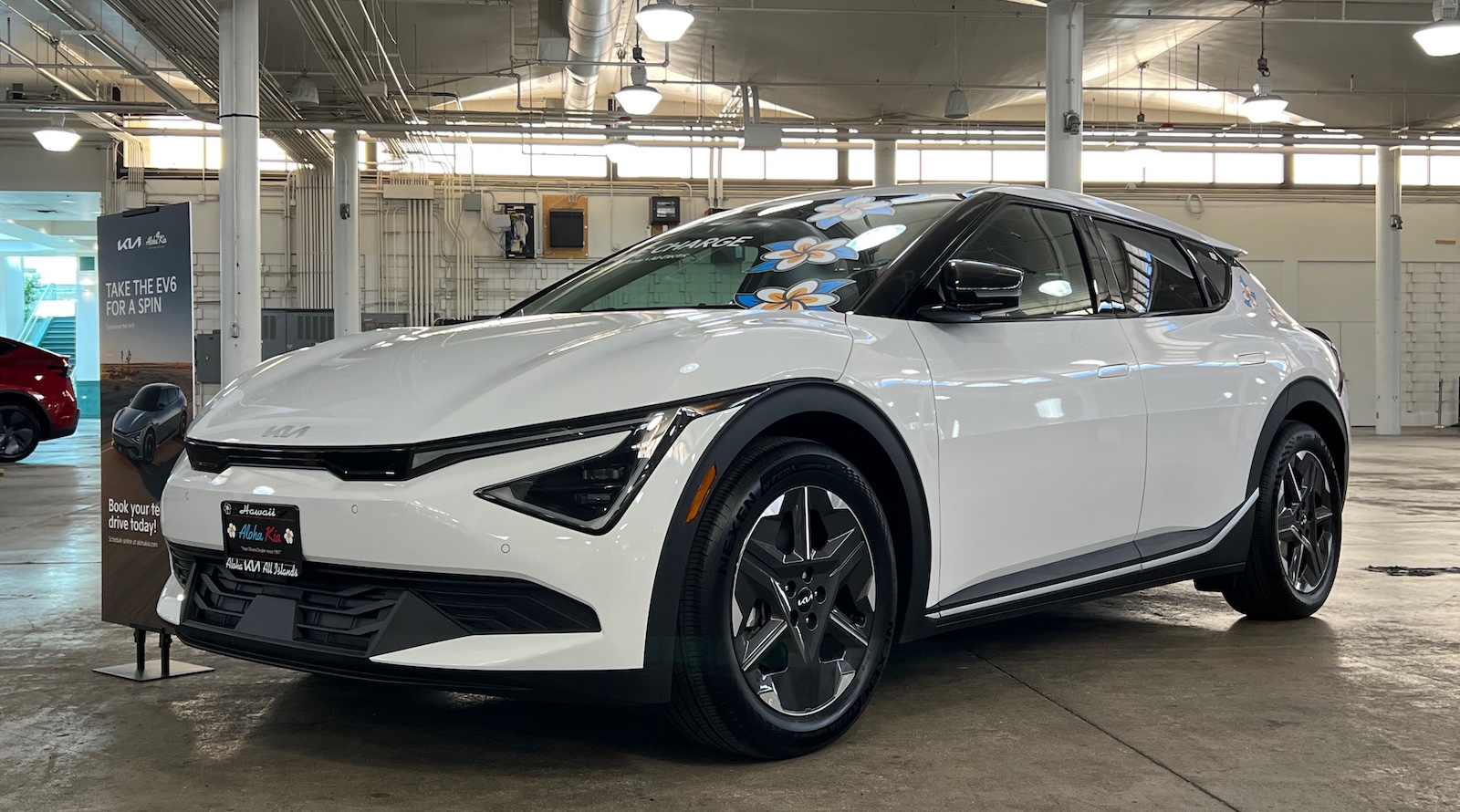
Why Gas Cars Could Be Worth Less Than Zero by 2031 in the US
Analyzing how cheap used EVs may make gasoline cars uneconomical in the US by 2031, with insights from Norway and China's used-car markets.

XPeng Advances AI Tech with VLA 2.0 Upgrade & Robotaxi Progress
XPeng's latest VLA 2.0 upgrade enhances intelligent driving with 4D perception, 20x safety boost, and voice-controlled robotaxis. Discover XPeng's AI advancements.

Mumbai’s Vile Parle Cypher is giving unheard rappers a voice

Enrich and Ultimo impress

Karnataka CM Signals Review of 5% Park Land Amendment Bill in Assembly

