Europe’s solar resource surplus continues before late-August cloud shift
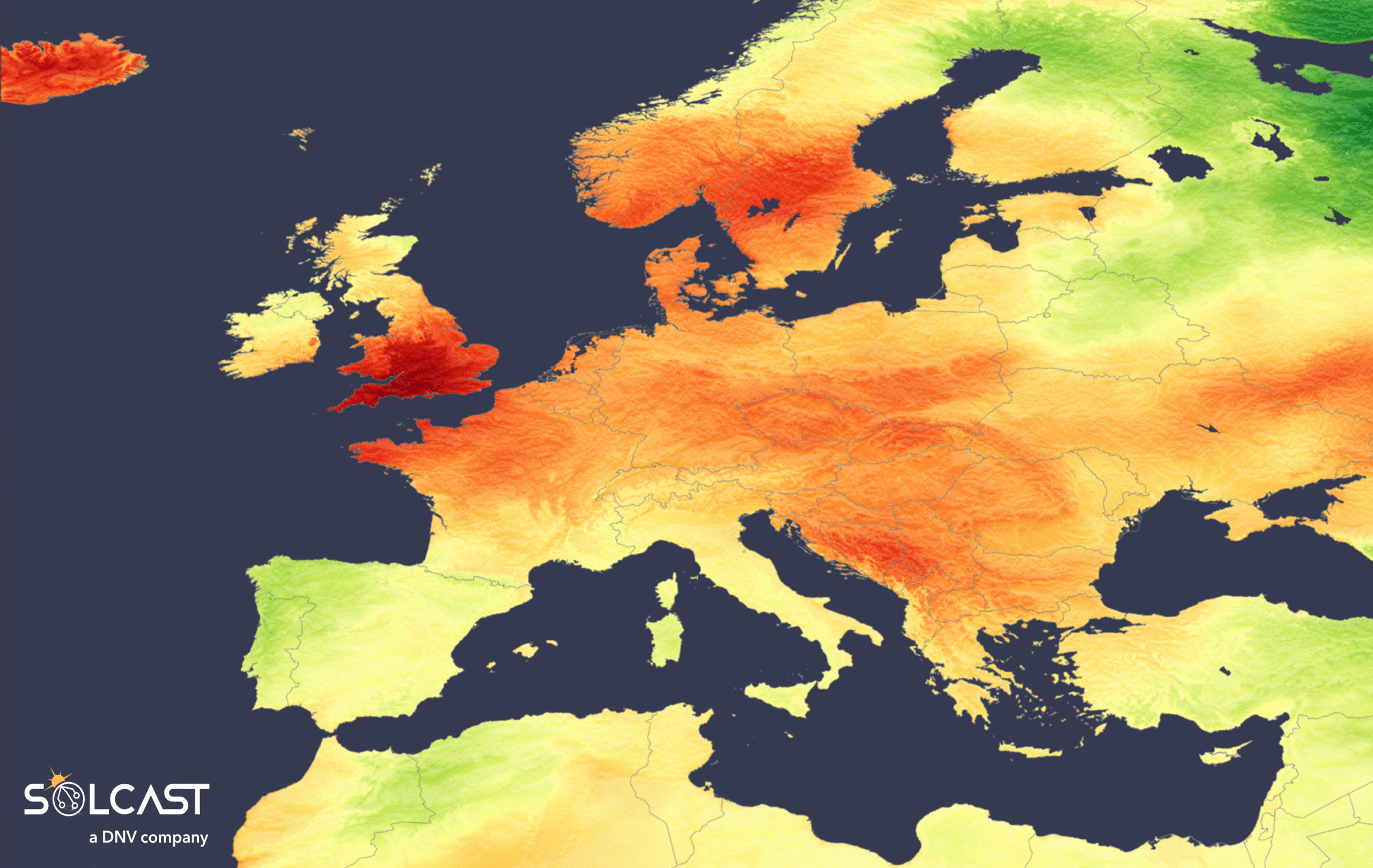
Europe’s solar resource surplus persisted across much of the continent in August 2026, with global horizontal irradiance averaging 5% above the 2007–2025 norm, according to data analyzed using the Solcast API. The elevated solar conditions followed similar trends recorded in June and July, as persistent high-pressure systems limited cloud formation and storm development. Nearly three-quarters of Europe experienced above-average irradiance, with southern England seeing the most significant positive anomalies—exceeding 20% above average—before weather patterns shifted in the latter half of the month, bringing cooler and cloudier conditions to western Europe.
The dominant high-pressure system played a key role in maintaining stable atmospheric conditions throughout much of August. Sinking air within the system suppressed cloud formation, resulting in extended periods of clear skies and irradiance levels that surpassed seasonal norms by more than 20% in some regions. While August is typically Europe’s second-sunniest month, the surplus marked a third consecutive month of elevated solar resources across western and central Europe. London recorded its highest cumulative global horizontal irradiance for this time of year, reinforcing the trend of unusually strong solar conditions.
The prolonged sunny weather coincided with severe drought conditions in parts of Europe. Southern England experienced 62 consecutive dry days through mid-August, breaking the previous record of 51 days. The European Commission’s Joint Research Centre reported critically low water levels on the Rhine and Danube, disrupting hydropower and nuclear generation and increasing reliance on alternative energy sources, including solar. In Birmingham, the dry spell reduced natural cleaning of solar panels, allowing soiling losses to accumulate before rainfall returned in mid-August.
The high-pressure pattern began to weaken in the second half of August, as a cold front moved in from the Atlantic. Temperatures in parts of western Europe dropped by more than 15 degrees Celsius after weeks of persistent heat and dry conditions. Increased cloud cover and rainfall reduced the earlier irradiance surplus as the front advanced into France and Germany. The impact varied across the continent, with central and eastern regions retaining more of their surplus, while southwestern Europe saw conditions return closer to or below long-term averages.
A closer examination of daily irradiance profiles in Porto illustrates the shift in southwestern Europe. Early in the month, irradiance remained relatively consistent, but several days around and after mid-August recorded significant daytime reductions due to increasing cloud cover.
Solcast generates these figures by tracking clouds and aerosols globally at a resolution of 1–2 kilometers, utilizing satellite data and proprietary AI/ML algorithms. The company’s irradiance models achieve a typical bias of less than 2% and provide accurate cloud-tracking forecasts. Over 350 companies, managing more than 350 gigawatts of solar assets worldwide, rely on Solcast’s data for operational and planning purposes.
#SolarEnergy #EuropeWeather #RenewableEnergy #Solcast #SolarIrradiance #EnergySurplus #DroughtConditions #WesternEurope
Comments (0)
No comments yet — be the first to weigh in.

Bentley Torcal: First All-Electric SUV Unveiling & Price Details
Bentley Motors will unveil its first all-electric SUV, the Torcal, on September 23. Discover pricing, features, and how it compares to competitors in the luxury EV market.
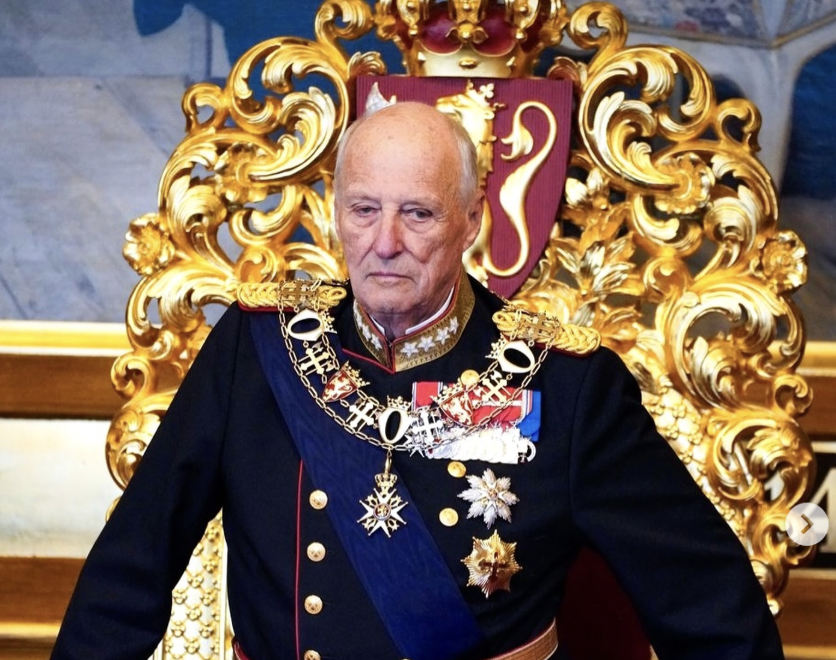
How King Harald V of Norway quietly led the world in clean tech adoption
King Harald V of Norway passed away in 2026 after a 35-year reign marked by stealth advocacy for clean technology, particularly electric vehicles, without political interference.

Why Gas Cars Could Be Worth Less Than Zero by 2031 in the US
Analyzing how cheap used EVs may make gasoline cars uneconomical in the US by 2031, with insights from Norway and China's used-car markets.

XPeng Advances AI Tech with VLA 2.0 Upgrade & Robotaxi Progress
XPeng's latest VLA 2.0 upgrade enhances intelligent driving with 4D perception, 20x safety boost, and voice-controlled robotaxis. Discover XPeng's AI advancements.

Mumbai’s Vile Parle Cypher is giving unheard rappers a voice

Enrich and Ultimo impress

Karnataka CM Signals Review of 5% Park Land Amendment Bill in Assembly

