Fact-Checking the Biohackers Who Claim Metformin is an Anti-Aging Wonder Drug
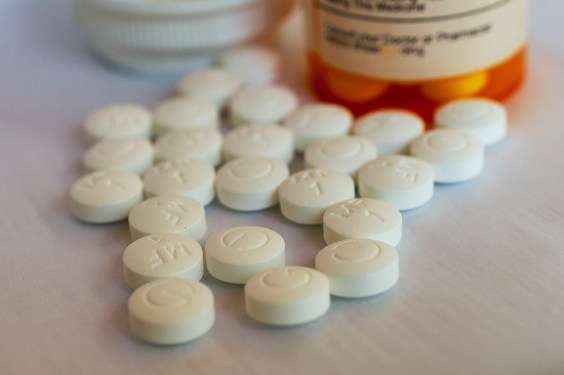
Researchers from Hamad Bin Khalifa University in Qatar have reviewed existing studies on the potential anti-aging effects of metformin, a common diabetes medication. Their findings, published in the journal Aging, suggest that while metformin may influence cellular processes related to aging, its impact on human lifespan remains uncertain.
The review examined cellular studies, animal models, and human observational research. At the cellular level, metformin appears to enhance autophagy, the process by which cells recycle damaged components, and boosts mitochondrial production. It also reduces oxidative stress and may help mitigate other aging-related cellular dysfunctions, such as deregulated nutrient sensing and cellular senescence. Additionally, the drug has been linked to reduced epigenetic age acceleration, though the researchers caution that these cellular benefits do not necessarily translate to increased lifespan.
Animal studies have shown more promising results. Experiments involving roundworms, mice, and male macaques demonstrated that metformin extends lifespan and reduces aging markers in tissues. However, human observational studies present a more complex picture. Most research subjects have been individuals with diabetes, as metformin is primarily prescribed for this condition. The studies also varied widely in their endpoints, ranging from mortality to frailty, making it difficult to determine whether metformin slows aging or merely improves disease outcomes in specific groups.
Clinical trials offer limited clarity. One study involving older adults with metabolic syndrome found that metformin prevented diabetes but did not reduce the incidence of cancer, cardiovascular disease, or mortality. Another ongoing trial, involving 3,000 healthy older adults, has yet to publish results since its launch in 2017.
The researchers concluded that future efforts should focus on identifying populations and biological pathways where metformin could meaningfully delay age-related functional decline, thereby turning its metabolic benefits into tangible strategies for healthy aging.
In summary, while metformin shows potential in addressing cellular markers of aging, its long-term effects on human lifespan remain unproven. The scientific community continues to investigate its viability as an anti-aging intervention.
Comments (0)
No comments yet — be the first to weigh in.

NASA Launches Nancy Grace Roman Telescope to Unlock Universe's Mysteries
NASA's new Nancy Grace Roman Space Telescope lifts off from Florida to study dark energy, exoplanets, and cosmic mysteries with unprecedented precision and scope.

Nature reserves spot rare species during heatwaves
Nature reserves in Hertfordshire and Middlesex have documented rare species this summer, with volunteers spotting wildlife not seen in decades and some even for...

Inmates at HMP La Moye craft boxes to save Jersey's hedgehogs
Prisoners at HMP La Moye have crafted nesting and feeding boxes to support Jersey's hedgehog population, boosting rehabilitation and community engagement.

2026 Nepal Flood: Ice‑Rock Avalanche, Glacial Lake Outburst and Climate‑Change Risks
A massive ice‑rock avalanche triggered a catastrophic flood in Nepal on Aug. 26 2026, followed by a glacial lake outburst that devastated towns and hydropower plants. Climate‑change‑driven thawing increased the risk.

Mumbai’s Vile Parle Cypher is giving unheard rappers a voice

Enrich and Ultimo impress

Karnataka CM Signals Review of 5% Park Land Amendment Bill in Assembly

