Global land-use emissions drop by a third since 2000 – key charts & trends
Land-use emissions from deforestation, peatland loss and forest degradation have declined by 32% since 2000, per the Global Carbon Budget 2025 report.
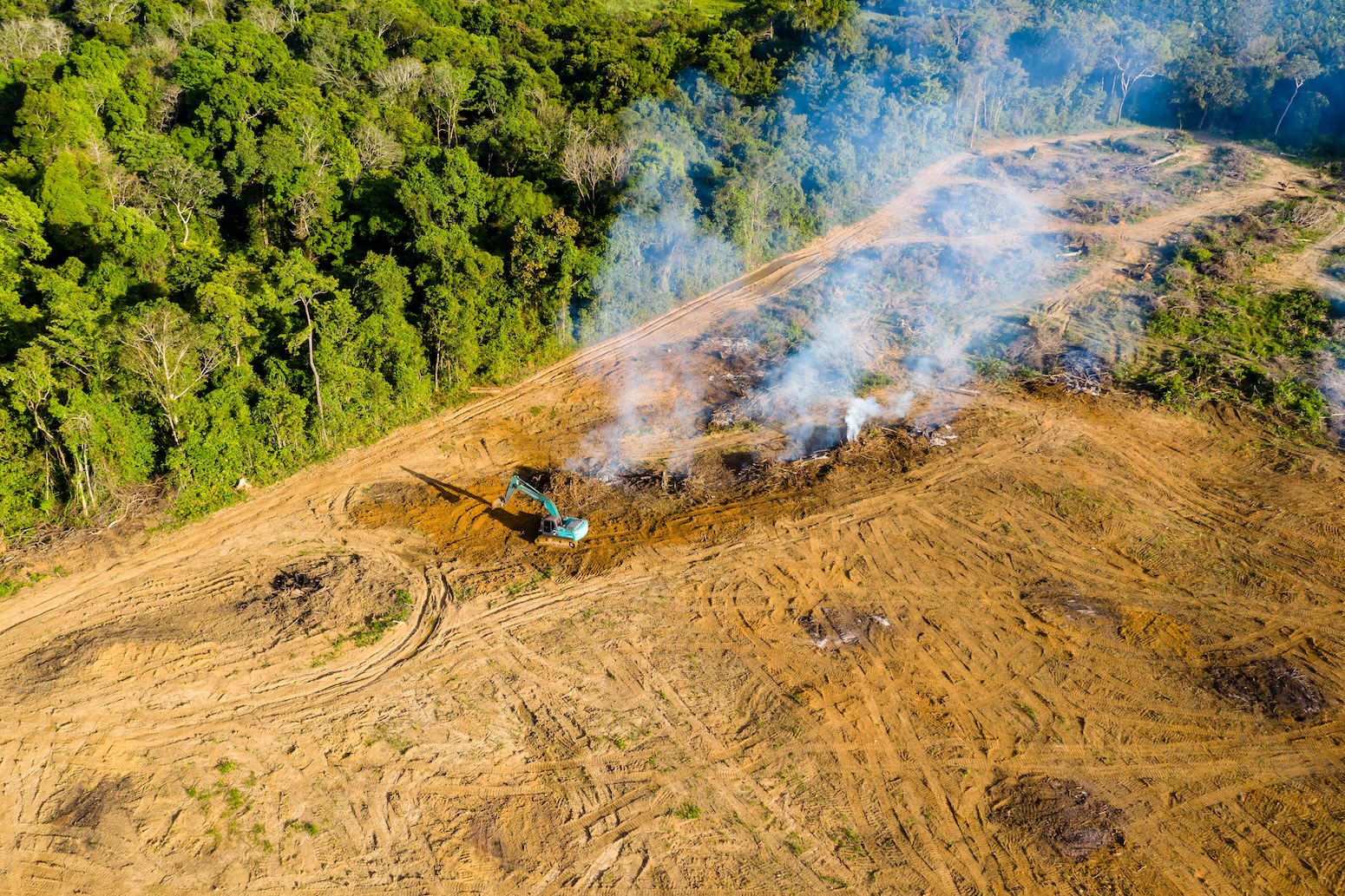
Global land-use emissions have declined by roughly a third since 2000 as deforestation slows and forest regrowth accelerates, according to the latest Global Carbon Budget report published in May by the journal Earth System Science Data. The 2025 edition, compiled by dozens of scientists worldwide, shows that net CO₂ emissions from land-use change fell to about 4.1 gigatonnes (GtCO₂) in 2025—down from roughly 6.6 GtCO₂ per year in the late 1990s. This represents a 32% decrease compared with the average of the 2000s, even as emissions from fossil fuels and cement continue to rise.
The downward trend in land-use emissions has been particularly steep since 2015, the report notes, driven by a combination of reduced deforestation and increased carbon uptake from reforestation and peatland restoration. Over the ten-year period from 2015 to 2024, deforestation released an average of 6.96 GtCO₂ annually, while forest growth removed 4.76 GtCO₂ per year—offsetting nearly two-thirds of emissions from tree loss. Afforestation and reforestation efforts accounted for about 2.2 GtCO₂ of removals, with another 2.56 GtCO₂ coming from natural regrowth following shifting cultivation.
Countries such as Brazil, Indonesia, and the Democratic Republic of the Congo (DRC) remain the largest contributors to land-use emissions, together responsible for 57% of the global total between 2015 and 2024. However, Brazil’s deforestation rates have fallen significantly since the early 2000s due to policies like the Amazon Deforestation Prevention and Control Plan, the 2006 soy moratorium, and expanded protected areas. Meanwhile, Indonesia has reduced emissions by rewetting vast peatland areas, restoring more since 2017 than Europe has in its entire history.
The report attributes the sharp drop in land-use emissions since 2015 in part to the end of strong El Niño conditions, which typically dry out tropical peatlands and increase uncontrolled fires. It also highlights the growing role of forest regrowth in absorbing atmospheric CO₂. Yet scientists caution that future trends remain uncertain. Pierre Friedlingstein, director of the Global Carbon Budget office and a professor at the University of Exeter, says current policies suggest deforestation should continue to decline, but adds, “We don’t know for sure if the trend will reverse.”
The Global Carbon Budget is updated annually, with key findings released each autumn before formal peer-reviewed publication the following year. The 2025 report underscores how shifting land policies, reforestation initiatives, and natural recovery are reshaping the global carbon balance—even as emissions from energy and industry reach record highs.
#LandUseEmissions #Deforestation #ClimateChange #GlobalCarbonBudget #Indonesia #Brazil #Peatlands #CarbonSinks
Comments (0)
No comments yet — be the first to weigh in.

Bentley Torcal: First All-Electric SUV Unveiling & Price Details
Bentley Motors will unveil its first all-electric SUV, the Torcal, on September 23. Discover pricing, features, and how it compares to competitors in the luxury EV market.

How King Harald V of Norway quietly led the world in clean tech adoption
King Harald V of Norway passed away in 2026 after a 35-year reign marked by stealth advocacy for clean technology, particularly electric vehicles, without political interference.

Why Gas Cars Could Be Worth Less Than Zero by 2031 in the US
Analyzing how cheap used EVs may make gasoline cars uneconomical in the US by 2031, with insights from Norway and China's used-car markets.

XPeng Advances AI Tech with VLA 2.0 Upgrade & Robotaxi Progress
XPeng's latest VLA 2.0 upgrade enhances intelligent driving with 4D perception, 20x safety boost, and voice-controlled robotaxis. Discover XPeng's AI advancements.

Mumbai’s Vile Parle Cypher is giving unheard rappers a voice

Enrich and Ultimo impress

Karnataka CM Signals Review of 5% Park Land Amendment Bill in Assembly

