How one American couple ditched their lawn and created a wildlife haven – and you could too

Former Chicago residents James Reed McGuire and Crystal Fritz have transformed their suburban front yard in Highland Park, Illinois, from a conventional turf grass lawn into a thriving native plant ecosystem. The couple’s successful project reflects a growing nationwide movement toward sustainable landscaping designed to support local biodiversity and reduce the environmental impact of traditional lawns.
What began as an experimental effort to replace non-native grass with local flora has earned the property an official designation as a Certified Wildlife Habitat by the National Wildlife Federation. The transformed yard now provides food and shelter for a wide array of fauna, including native birds, butterflies, bees, bats, and foxes, while receiving positive feedback from community members.
When McGuire, a creative director and avid birder, and Fritz, a personal assistant, moved to the suburbs, they possessed limited gardening experience. After initial missteps with mixed wildflower seed packets and manual turf digging, they learned to identify regional native species and cultivate them efficiently from seed. Their design ensures continuous plant blooms throughout the growing season to maximize benefits for local pollinators.
McGuire noted that the native garden brings tranquility while providing tangible environmental benefits. The positive community response led the city of Highland Park to grant the couple permission to extend their native landscaping onto the public roadside verge outside their property.
The couple's effort aligns with a nationwide shift addressing the ecological drawbacks of traditional turf lawns, which cover an estimated 40 million acres across the United States. Doug Tallamy, an entomologist and co-founder of the conservation initiative Homegrown National Park, explains that turf grass functions as an ecological desert. Traditional lawns rely heavily on fertilizers and pesticides, featuring short root systems that cause chemical runoff during heavy rains instead of filtering water into the soil.
Tallamy advocates for conservation landscaping, urging homeowners to convert at least half of their lawn space into native habitats to help prevent biodiversity loss. Similar rewilding efforts are occurring across the country, such as in Fort Collins, Colorado, where academic Camille Dungy spent ten years converting her suburban lawn into a pollinator-friendly native plant habitat. Environmental experts recommend that homeowners begin by replacing small sections of turf with native species that naturally adapt to local growing conditions.
#Environment #NativePlants #HighlandPark #Illinois #JamesReedMcGuire #CrystalFritz #DougTallamy #WildlifeHabitat
Comments (0)
No comments yet — be the first to weigh in.

Bentley Torcal: First All-Electric SUV Unveiling & Price Details
Bentley Motors will unveil its first all-electric SUV, the Torcal, on September 23. Discover pricing, features, and how it compares to competitors in the luxury EV market.

How King Harald V of Norway quietly led the world in clean tech adoption
King Harald V of Norway passed away in 2026 after a 35-year reign marked by stealth advocacy for clean technology, particularly electric vehicles, without political interference.
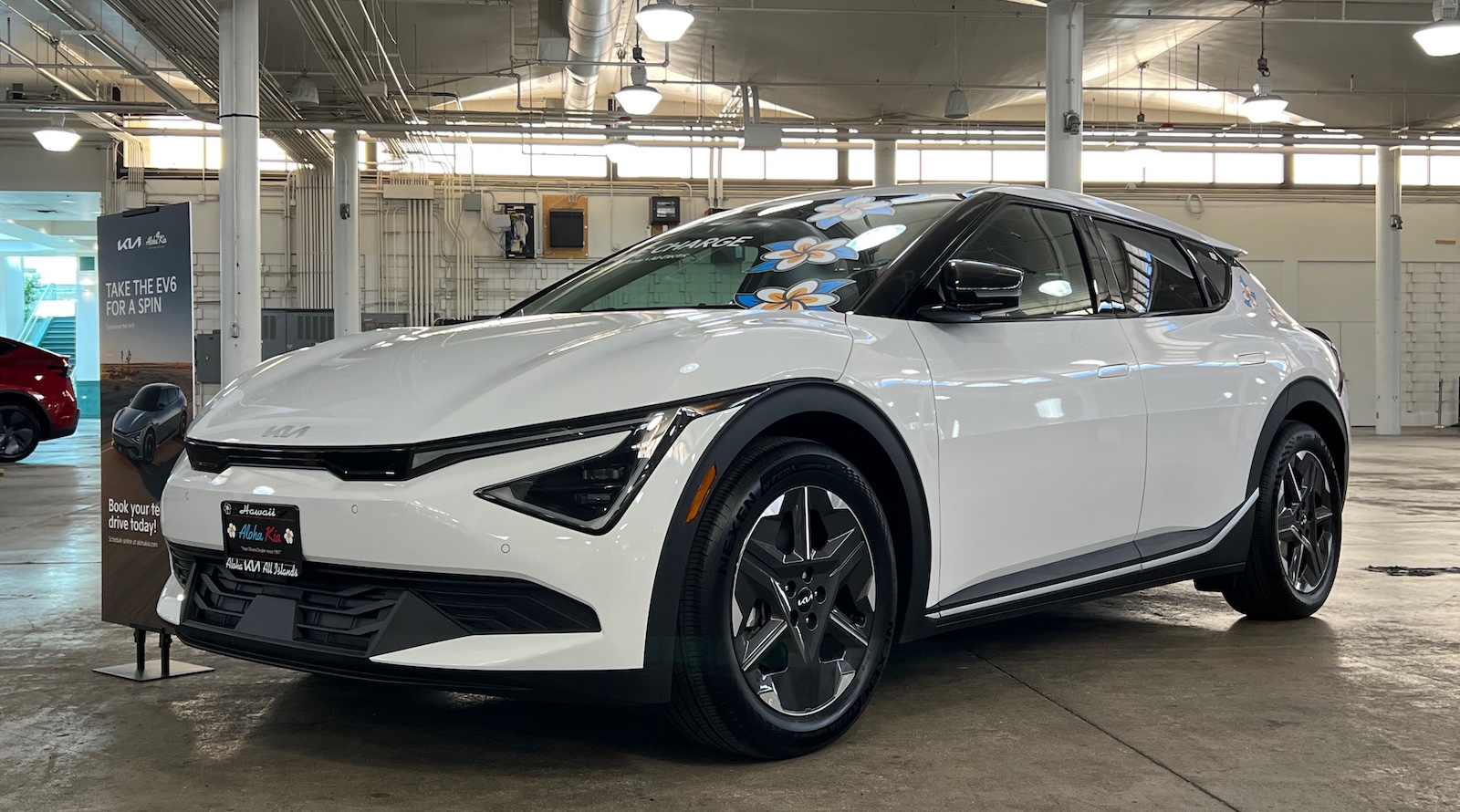
Why Gas Cars Could Be Worth Less Than Zero by 2031 in the US
Analyzing how cheap used EVs may make gasoline cars uneconomical in the US by 2031, with insights from Norway and China's used-car markets.

XPeng Advances AI Tech with VLA 2.0 Upgrade & Robotaxi Progress
XPeng's latest VLA 2.0 upgrade enhances intelligent driving with 4D perception, 20x safety boost, and voice-controlled robotaxis. Discover XPeng's AI advancements.

Mumbai’s Vile Parle Cypher is giving unheard rappers a voice

Enrich and Ultimo impress

Karnataka CM Signals Review of 5% Park Land Amendment Bill in Assembly

