How Wildfires Threaten Suburban Neighborhoods in the American West
Explore how wildfires increasingly threaten suburban areas in the American West, fueled by climate change, population growth, and urban sprawl. Discover the risks and solutions.
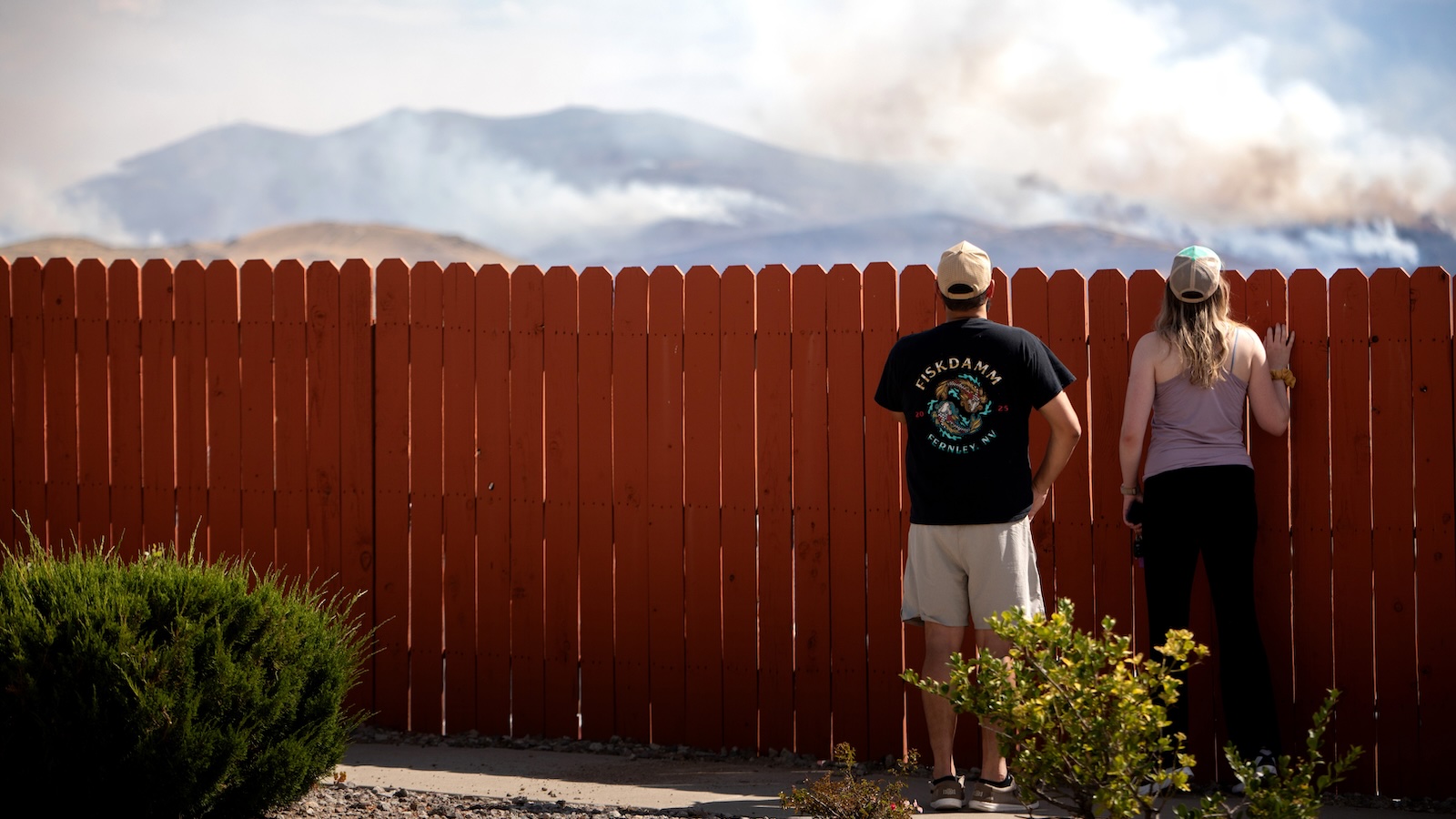
Wildfires in the American West are increasingly threatening suburban neighborhoods, as seen in recent blazes near Reno, Nevada. The Hawk Fire, which started on August 22 in the Somersett community just outside Reno, rapidly spread due to strong winds and dry conditions, burning through thousands of acres and forcing the evacuation of nearly 90,000 people. The fire destroyed dozens of homes, following a similar incident weeks earlier when the Bug Fire scorched 150 square miles north of the area. These events highlight the growing risk of wildfires in regions experiencing rapid population growth and climate change.
The Western U.S. has seen over 7.9 million acres burned this year, with similar fires reported in Canada, where more than 5,100 blazes have affected Ontario and other areas. Scientists attribute the increase in wildfire frequency and severity to climate change, exacerbated by record-low snowfall and prolonged heat waves that dry out vegetation. The wildland-urban interface (WUI)—where homes meet forests or grasslands—has become a critical concern as more people move into fire-prone areas.
Tim Brown, director of the Western Regional Climate Center at the Desert Research Institute in Nevada, noted that explosive population growth in these regions has intensified wildfire risks. Reno, one of the fastest-warming U.S. cities, exemplifies this trend, with its population growing by 26% over the past 15 years. The WUI, now home to over a third of U.S. residences, faces heightened danger as droughts and heat waves become more severe.
The consequences of this growth are evident. A study in *Natural Hazards* found that urban expansion combined with climate change has quadrupled wildfire risks in California. Recent fires in Los Angeles forced over 200,000 evacuations, while Spokane, Washington, saw three major blazes in suburban areas. Experts argue that the term "wildland-urban interface" downplays the danger, with Brown suggesting it should be called "fire-prone" instead.
Evacuations in these areas are particularly challenging due to narrow, single-access roads, as seen in Spokane and past fires like California’s Camp Fire. Brett Taylor of the Truckee Meadows Fire Protection District near Reno emphasized the need for early evacuations to prevent gridlock and allow firefighters to focus on containment. The fires also pose long-term health risks, with wildfire smoke projected to cause 70,000 annual deaths by 2050. Fires in urban areas produce especially toxic smoke, containing harmful chemicals like chromium-6.
To mitigate risks, states like California have introduced stricter wildfire-safety regulations, requiring homeowners to clear vegetation around properties. Fire-resistant building materials and design can also improve survival odds. Taylor’s district is implementing fuel reduction projects, though funding remains insufficient for the scale of the problem. As climate change continues to dry out landscapes, fires in regions like Reno are likely to become more frequent, demanding urgent action.
#Wildfires #Reno #Nevada #ClimateChange #SuburbanSprawl #WildfireSafety #TruckeeMeadowsFireDistrict #WesternUS
Comments (0)
No comments yet — be the first to weigh in.

Bentley Torcal: First All-Electric SUV Unveiling & Price Details
Bentley Motors will unveil its first all-electric SUV, the Torcal, on September 23. Discover pricing, features, and how it compares to competitors in the luxury EV market.

How King Harald V of Norway quietly led the world in clean tech adoption
King Harald V of Norway passed away in 2026 after a 35-year reign marked by stealth advocacy for clean technology, particularly electric vehicles, without political interference.
Why Gas Cars Could Be Worth Less Than Zero by 2031 in the US
Analyzing how cheap used EVs may make gasoline cars uneconomical in the US by 2031, with insights from Norway and China's used-car markets.

XPeng Advances AI Tech with VLA 2.0 Upgrade & Robotaxi Progress
XPeng's latest VLA 2.0 upgrade enhances intelligent driving with 4D perception, 20x safety boost, and voice-controlled robotaxis. Discover XPeng's AI advancements.

Mumbai’s Vile Parle Cypher is giving unheard rappers a voice

Enrich and Ultimo impress

Karnataka CM Signals Review of 5% Park Land Amendment Bill in Assembly

