Israeli Minister Warns Iran Strikes Will Continue Despite US Deal
Israeli Foreign Minister Eli Cohen threatens renewed strikes on Iran if it resumes nuclear or ballistic missile programs, regardless of a US agreement.

Israeli Foreign Minister Eli Cohen has warned that Israel will launch military strikes against Iran if Tehran attempts to revive its nuclear or ballistic missile programs, regardless of any potential agreement between Iran and the United States. Speaking to Ynet on Saturday, Cohen reiterated Israel’s longstanding position that it will not allow Iran to develop capabilities that threaten its national security.
Cohen’s remarks come amid ongoing tensions between Israel and Iran, which have escalated in recent months following a series of direct strikes and covert operations. The Israeli minister emphasized that Israel’s military actions are not contingent on diplomatic developments, stating that any attempt by Iran to restart prohibited nuclear or missile activities would be met with a decisive response.
The warning follows a period of heightened regional instability, with Israel and Iran engaging in a shadow war that has included attacks on nuclear sites, military compounds, and civilian infrastructure. Iran has accused Israel of carrying out assassinations and sabotage, while Israel has framed its actions as necessary to prevent Iran from achieving nuclear weapons capability.
The United States, a key ally of Israel, has been involved in indirect negotiations with Iran to revive the 2015 nuclear deal, known as the Joint Comprehensive Plan of Action (JCPOA). However, Cohen made clear that Israel would not be bound by any future U.S.-Iran agreement if it perceived a threat to its security.
Analysts suggest that Israel’s stance reflects its deep skepticism about Iran’s intentions and its preference for maintaining military deterrence over diplomatic solutions. The Israeli government has repeatedly stated that it reserves the right to act unilaterally to counter perceived threats, a policy that has drawn both support and criticism internationally.
The ongoing conflict between Israel and Iran has raised concerns about a broader regional escalation, particularly as other actors, including Hezbollah in Lebanon and proxies in Syria and Yemen, remain involved in the proxy conflict. The international community continues to call for restraint, but the lack of progress toward a diplomatic resolution suggests that military confrontation remains a real possibility.
Israel’s position underscores the challenges of balancing deterrence with diplomacy in one of the world’s most volatile regions. As tensions persist, the risk of miscalculation or unintended escalation remains a significant concern for global security.
#Israel #Iran #EliCohen #NuclearDeal #MiddleEast #Security #Ynet
Comments (0)
No comments yet — be the first to weigh in.

Israel's 2.6M Students Return to School Amid Education Reforms and Protests
Israel's 2.6 million students resume classes as the Education Ministry introduces financial literacy and AI reforms, amid teacher shortages and protests over militarization.

Earth's magnetic field can help archaeologists sniff out forged antiquities
Researchers at the University of California San Diego have developed a new method using Earth's magnetic field to help archaeologists distinguish between a...

US, Israel, and Palestine to Hold Three Elections in 32 Days – Global Stakes
Three key elections – U.S., Israel, and Palestine – will take place from Oct. 27 to Nov. 28, shaping domestic politics and international ties.
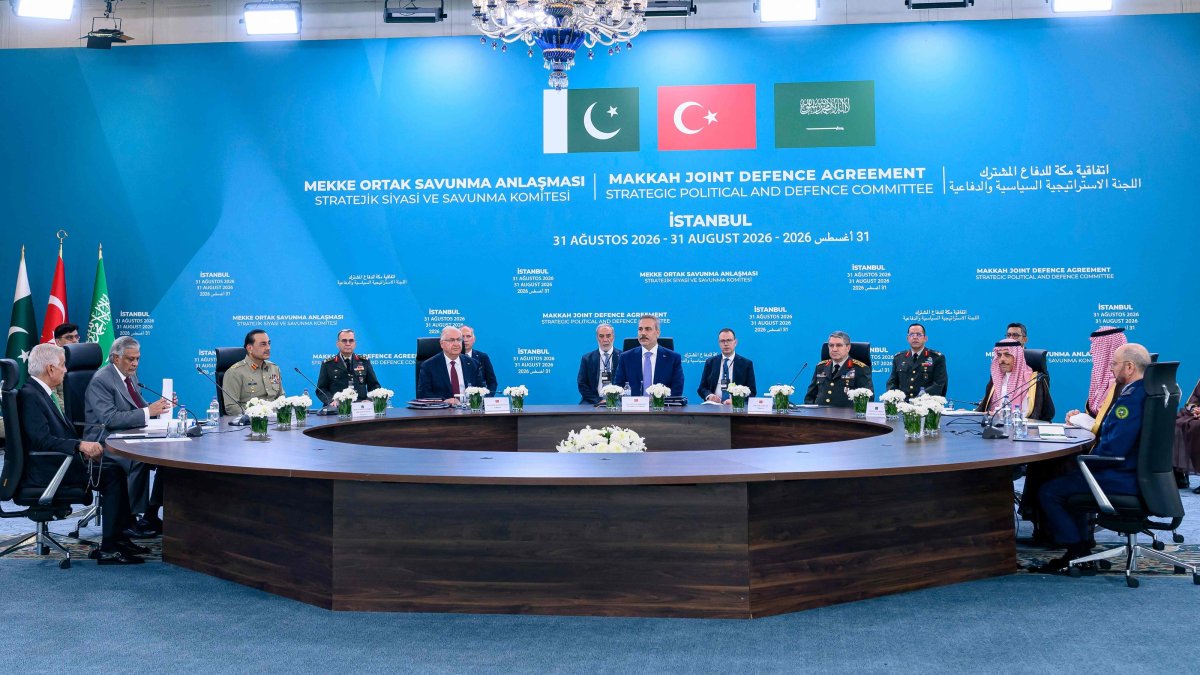
Türkiye, Pakistan, Saudi Arabia deepen joint defense framework
Türkiye, Pakistan and Saudi Arabia have agreed to deepen their defense partnership under the Mecca Agreement, taking new steps to strengthen collective deterren...

Mumbai’s Vile Parle Cypher is giving unheard rappers a voice

Enrich and Ultimo impress

Karnataka CM Signals Review of 5% Park Land Amendment Bill in Assembly

