Israel's West Bank Settlement Expansion Sparks Global Condemnation
Israel's push to expand West Bank settlements, including the controversial E1 area, faces international backlash amid fears of undermining Palestinian statehood.
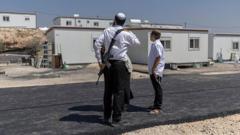
Israel is accelerating settlement expansion in the occupied West Bank, drawing international condemnation and raising fears about the viability of a future Palestinian state. Prime Minister Benjamin Netanyahu reaffirmed his government’s opposition to Palestinian statehood during a September 2023 ceremony in the West Bank, where he signed an agreement to advance construction in the E1 area east of Jerusalem. Recent tenders for 1,200 new settlement homes in E1 have intensified global criticism, with the United Nations, European Union, and key Western allies labeling the plans illegal and destabilizing.
Under international law, all Israeli settlements in the West Bank are considered illegal. Israel had long delayed E1 development due to international pressure, but the pace of expansion has surged since Netanyahu returned to power in 2022 at the helm of a right-wing, pro-settler coalition. Since October 7, 2023, when Hamas launched an attack on Israel from Gaza, settlement activity has further escalated.
Satellite analysis by BBC Verify shows rapid construction in settlements like Tzofim in the northwest West Bank, where about 185 new buildings have appeared since 2022. Similar expansion is visible around Kochav Hashahar, where infrastructure and housing continue to spread. Hundreds of unauthorized settler outposts have been established over decades, many later legalized by Israeli authorities.
The E1 plan is particularly contentious because it would bisect the West Bank, separating northern and southern regions and cutting off East Jerusalem from Palestinian communities. Critics warn this would obstruct the creation of a contiguous Palestinian state by severing Ramallah, Bethlehem, and other major towns. Peace Now, an Israeli watchdog group, alleges the government is pushing contracts ahead of Israel’s upcoming October elections to make cancellation by future governments more difficult.
The expansion is not limited to housing. Finance Minister Bezalel Smotrich, a far-right leader, has overseen a shift in West Bank administration from military to civilian control, accelerating infrastructure projects. In May 2024, Israel allocated over one billion shekels for new roads in the West Bank, described in an official statement as efforts to “strengthen Israel’s grip on the territory.” These roads often cut through Palestinian areas, reinforcing settlement connectivity while fragmenting Palestinian communities.
Settler violence against Palestinians has also risen. Recent incidents include the besieging of two Palestinian homes, cutting off water and power. While U.S. Ambassador Mike Huckabee, a longtime supporter of settlements, condemned the attacks as “criminal and terrorist,” broader U.S. policy has continued to support Israel diplomatically.
Palestinian leaders and statehood advocates warn that accelerated settlement growth is creating irreversible “facts on the ground,” making a future Palestinian state unworkable. Smotrich has openly stated that E1 construction supports his goal of preventing Palestinian statehood. “My life’s mission is to thwart the establishment of a Palestinian state,” he said in 2024.
With Israel’s elections approaching, Netanyahu and his coalition may see settlement expansion as a way to energize their base. Even if they lose, they may believe the new realities on the ground will be difficult to reverse.
#Israel #WestBank #Settlements #BenjaminNetanyahu #BezalelSmotrich #PalestinianStatehood #E1Area #InternationalLaw
Comments (0)
No comments yet — be the first to weigh in.

Israel's 2.6M Students Return to School Amid Education Reforms and Protests
Israel's 2.6 million students resume classes as the Education Ministry introduces financial literacy and AI reforms, amid teacher shortages and protests over militarization.

Earth's magnetic field can help archaeologists sniff out forged antiquities
Researchers at the University of California San Diego have developed a new method using Earth's magnetic field to help archaeologists distinguish between a...

US, Israel, and Palestine to Hold Three Elections in 32 Days – Global Stakes
Three key elections – U.S., Israel, and Palestine – will take place from Oct. 27 to Nov. 28, shaping domestic politics and international ties.
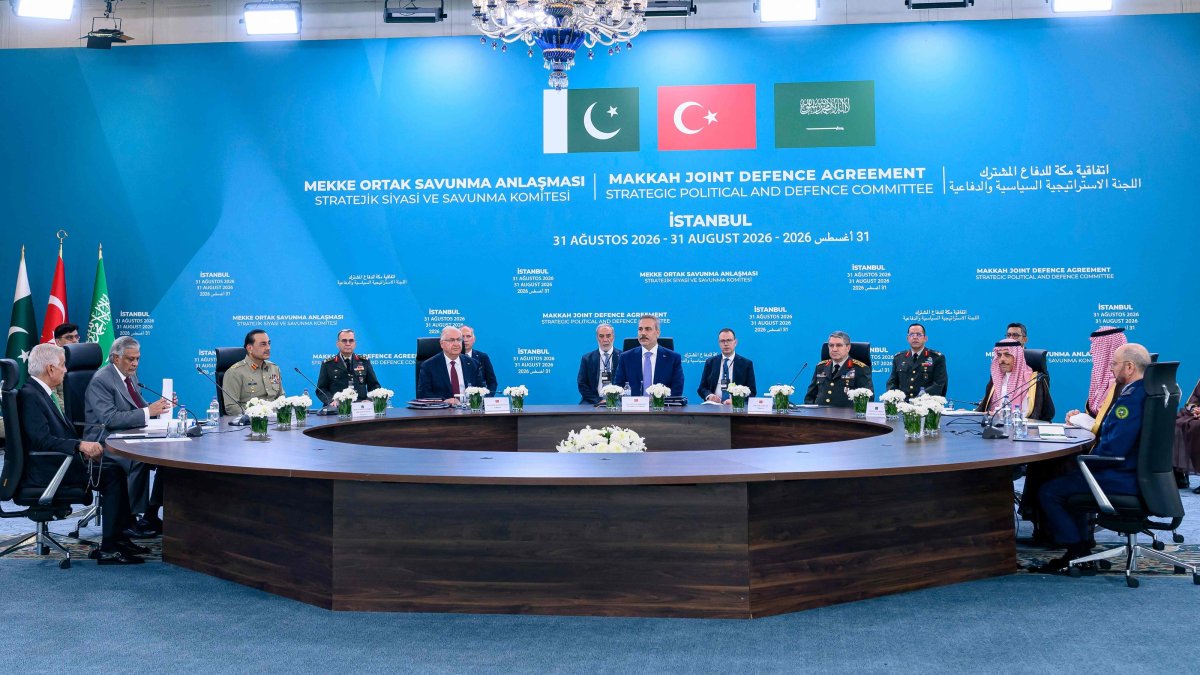
Türkiye, Pakistan, Saudi Arabia deepen joint defense framework
Türkiye, Pakistan and Saudi Arabia have agreed to deepen their defense partnership under the Mecca Agreement, taking new steps to strengthen collective deterren...

Mumbai’s Vile Parle Cypher is giving unheard rappers a voice

Enrich and Ultimo impress

Karnataka CM Signals Review of 5% Park Land Amendment Bill in Assembly

