Japan Culls 14,000 Bears Amid Rising Attack Deaths – Conservation Crisis?
Japan culled 14,000 bears after 13 deaths, yet attacks rise. Conservationists warn the move threatens vulnerable Asiatic black bears and may not curb conflicts.
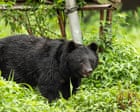
Japan has culled more than 14,000 bears following the deadliest year on record for bear attacks, raising urgent concerns among wildlife conservationists about the survival of the country's vulnerable Asiatic black bear population. Government data shows authorities removed approximately 12,000 Asiatic black bears and 2,000 brown bears between April 2025 and January 2026 after human-bear encounters left 13 people dead and more than 230 injured last year.
The surge in conflict primarily stems from climate-driven food shortages and shifting rural demographics. Record summer heat disrupted the growth of beech nuts and acorns in northern prefectures such as Akita and Iwate, forcing hungry bears to forage near human settlements. Depopulation in rural hinterlands has also left farm plots and orchards abandoned, creating natural corridors that lure bears deeper into residential zones.
To manage the crisis, the Japanese government relaxed regulations regarding shooting bears in populated areas and installed extensive trapping networks across affected regions. Officials cite a declining and aging population of licensed hunters as a key reason for the aggressive state-sponsored intervention. Despite the mass culling effort, bear encounters remain high, with at least six fatalities and more than 35 attacks reported across nine prefectures since April. The government has set a target to cull an additional 8,800 bears this fiscal year.
Conservation groups strongly criticize the strategy, warning that excessive trapping could trigger localized extinctions. Yuko Muroya, chair of the Japan Bear and Forest Society, stated that a policy focused solely on reducing population numbers will not solve the underlying issue until the animals are driven to extinction. Internationally, the Asiatic black bear is classified as vulnerable by the International Union for Conservation of Nature (IUCN), with fewer than 60,000 estimated to remain globally.
Some communities are demonstrating alternative approaches to wildlife management. In the resort town of Karuizawa in Nagano prefecture, the Picchio Wildlife Research Centre uses non-lethal measures to handle human-bear conflicts. Teams utilize trained Karelian bear dogs to chase away bears, alongside tranquilization and relocation deep into forest habitats. Although bear sightings in Karuizawa rose by 20 percent this year, non-lethal intervention prevented an increase in physical injuries or property damage.
Expert opinions remain divided on the long-term ecological impact due to a lack of accurate population data. Biologist Dave Garshelis of the IUCN Bear Specialist Group noted that the rapid government response left few immediate alternatives, though the overall risk depends on precise population figures. Official estimates place Japan's Asiatic black bear population at 42,000, but researchers like Shinsuke Koike of the Tokyo University of Agriculture and Technology note that accurate counts are difficult to maintain, even as some regional populations show annual growth rates above 10 percent without culling.
#WildlifeConservation #BearAttacks #AsiaticBlackBear #Japan #Nagano #YukoMuroya #DaveGarshelis #ShinsukeKoike
Comments (0)
No comments yet — be the first to weigh in.

Bentley Torcal: First All-Electric SUV Unveiling & Price Details
Bentley Motors will unveil its first all-electric SUV, the Torcal, on September 23. Discover pricing, features, and how it compares to competitors in the luxury EV market.

How King Harald V of Norway quietly led the world in clean tech adoption
King Harald V of Norway passed away in 2026 after a 35-year reign marked by stealth advocacy for clean technology, particularly electric vehicles, without political interference.

Why Gas Cars Could Be Worth Less Than Zero by 2031 in the US
Analyzing how cheap used EVs may make gasoline cars uneconomical in the US by 2031, with insights from Norway and China's used-car markets.

XPeng Advances AI Tech with VLA 2.0 Upgrade & Robotaxi Progress
XPeng's latest VLA 2.0 upgrade enhances intelligent driving with 4D perception, 20x safety boost, and voice-controlled robotaxis. Discover XPeng's AI advancements.

Mumbai’s Vile Parle Cypher is giving unheard rappers a voice

Enrich and Ultimo impress

Karnataka CM Signals Review of 5% Park Land Amendment Bill in Assembly

