Joel Sartore's Photo Ark Hits 18,000 Species Milestone After 20 Years
National Geographic photographer Joel Sartore celebrates 20 years of the Photo Ark, documenting 18,000 species, including critically endangered red handfish and extinct species like Nabiré the northern white rhino.

Joel Sartore, National Geographic photographer and founder of the Photo Ark, has reached a major milestone: he has now photographed 18,000 animal species in human care. Marking the 20th anniversary of the Photo Ark project, Sartore recently captured the critically endangered red handfish, a grumpy-looking fish from Tasmania that became the 18,000th species featured in his ongoing effort to document biodiversity. The exact species that crossed the threshold remains uncertain, but the red handfish’s striking appearance has drawn well-deserved attention to its plight.
Based in Lincoln, Nebraska, Sartore has spent two decades traveling the world to photograph animals in zoos, aquariums, and even on his porch at home. His work is defined by a simple yet powerful technique: each animal is photographed against a plain black or white background, creating striking portraits that highlight both beauty and vulnerability. “Big and small, we love them all,” Sartore says, emphasizing his inclusive approach to conservation photography.
The Photo Ark began as a personal project during a difficult time in Sartore’s life. While on assignment for National Geographic, his wife was diagnosed with cancer. Returning home to be with her, he began photographing animals at local zoos. His wife recovered, but the project evolved into something much larger. “We want to show people what biodiversity looks like at this point in time,” he explains, “so people will wake up and care and want to do something other than fight with each other.”
Sartore’s work has had a tangible impact on conservation efforts. For example, his photographs of the Florida grasshopper sparrow helped rally support for the critically endangered bird, which was on the brink of extinction. Conservationists credit the Photo Ark with raising international awareness of species at risk. Morgan Heim, a National Geographic Explorer and executive director of the International League of Conservation Photographers, calls Sartore “the truest spirit of conservation photography,” praising his dedication and effectiveness.
Despite the project’s success, Sartore remains humble about his role. “I can’t sit here and pound my chest over any of them,” he says. “I meet environmental heroes every single day.” He sees himself as a storyteller who amplifies the work of others rather than taking credit for their achievements. Even so, some of his most memorable—and heartbreaking—moments come from photographing species that were already extinct in the wild when he captured their portraits.
One such example is Nabiré, a northern white rhino who lived at the Dvůr Králové Zoo in the Czech Republic. By the time Sartore photographed her, she was elderly and suffering from health issues. A keeper, who had raised her from a calf, coaxed her onto Sartore’s iconic black backdrop using her favorite food. “She was super sweet,” Sartore recalls. “She came over to the bars and sniffed us, and we scratched her nose and her ears.” Nabiré died just weeks later, leaving behind only two surviving females, both descended from her lineage. Sartore still feels the loss deeply. “That one still stings really badly for me,” he admits. “I don’t like it.”
Another poignant portrait is of Toughie, a Rabbs’ fringe-limbed tree frog from Panama, believed to be the last of his kind. Toughie died in 2016 at the Atlanta Botanical Gardens in the United States, and a song was later written to honor his memory. Sartore uses such moments to remind people of a harsh truth: “What people don’t realize is as these other species go away, so will we.”
Despite the emotional toll, Sartore remains an optimist, fueled by the dedication of conservationists he meets along the way. Now in his 60s, he continues to work seven days a week, photographing animals, giving interviews, and planning future shoots. His son Cole, 33, has joined him on international assignments and is being groomed to carry on the Photo Ark legacy. “He cares deeply and he’s a good photographer,” Sartore says. “So that is our plan, so that we can keep it going once I’m too old to do it.”
Sartore also believes strongly in the intelligence and dignity of animals. “When you are really close to an animal and you are looking them in the eye,” he reflects, “don’t they have a basic right to exist, all the way down to the grasshoppers and the praying mantises?” His mission is clear: to document the world’s biodiversity before it disappears, one portrait at a time.
#JoelSartore #PhotoArk #NationalGeographic #ConservationPhotography #EndangeredSpecies #Biodiversity #RedHandfish #WildlifePhotography
Comments (0)
No comments yet — be the first to weigh in.

Bentley Torcal: First All-Electric SUV Unveiling & Price Details
Bentley Motors will unveil its first all-electric SUV, the Torcal, on September 23. Discover pricing, features, and how it compares to competitors in the luxury EV market.
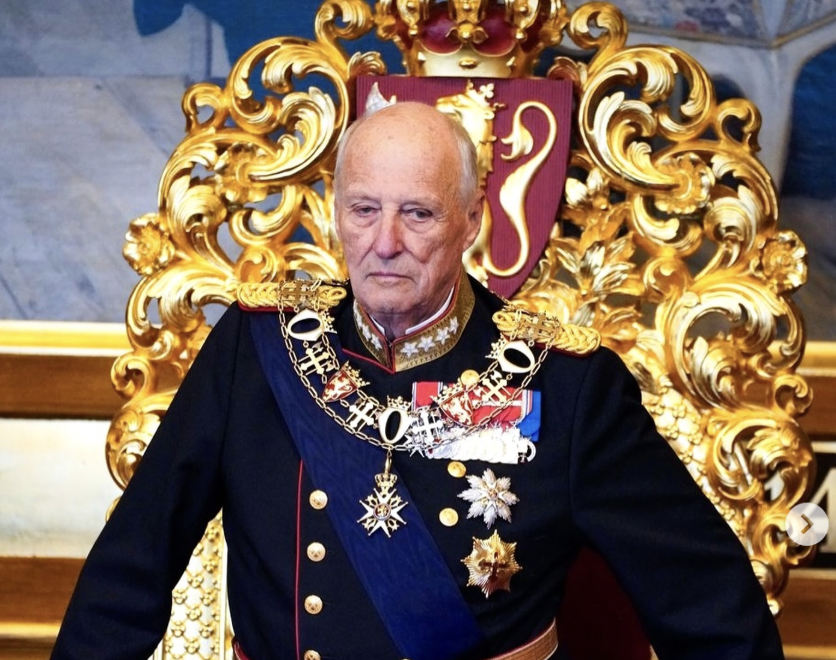
How King Harald V of Norway quietly led the world in clean tech adoption
King Harald V of Norway passed away in 2026 after a 35-year reign marked by stealth advocacy for clean technology, particularly electric vehicles, without political interference.

Why Gas Cars Could Be Worth Less Than Zero by 2031 in the US
Analyzing how cheap used EVs may make gasoline cars uneconomical in the US by 2031, with insights from Norway and China's used-car markets.

XPeng Advances AI Tech with VLA 2.0 Upgrade & Robotaxi Progress
XPeng's latest VLA 2.0 upgrade enhances intelligent driving with 4D perception, 20x safety boost, and voice-controlled robotaxis. Discover XPeng's AI advancements.

Mumbai’s Vile Parle Cypher is giving unheard rappers a voice

Enrich and Ultimo impress

Karnataka CM Signals Review of 5% Park Land Amendment Bill in Assembly

